
Progressiverx.com: Your Pharmaceutical Guide - Page 3

Naloxone can reverse opioid overdoses in minutes. Learn how it works, how to use it, where to get it for free, and how to store it safely. This is what every family, friend, and neighbor should know.
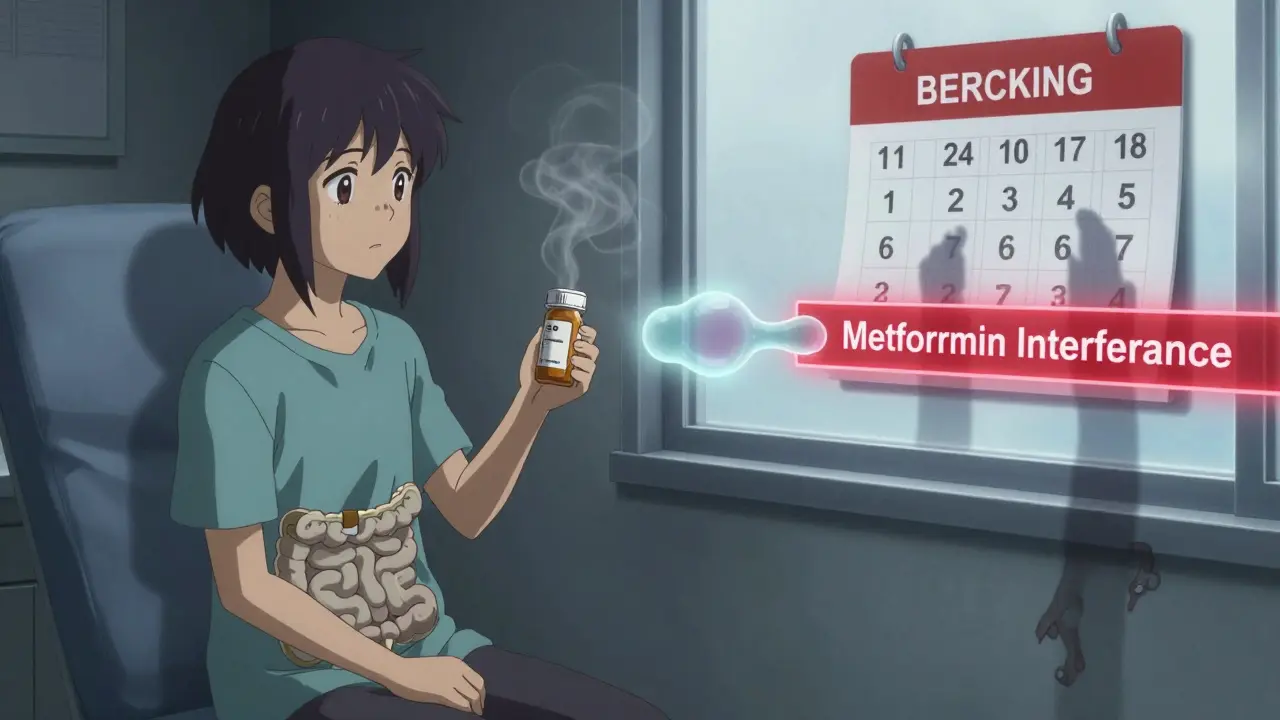
Long-term metformin use can cause vitamin B12 deficiency, leading to nerve damage, fatigue, and confusion. Learn the symptoms, who's at risk, and how to prevent irreversible complications with simple testing and supplements.

Myasthenia gravis causes muscle weakness that worsens with use and improves with rest. Learn how antibody types, immunotherapy, and new treatments like efgartigimod are changing outcomes for patients today.

When critical medications expire, patient safety is at risk. Learn the evidence-based three-tier replacement system used in ICUs, how to implement a protocol, and why pharmacist-led teams reduce errors by 32%.
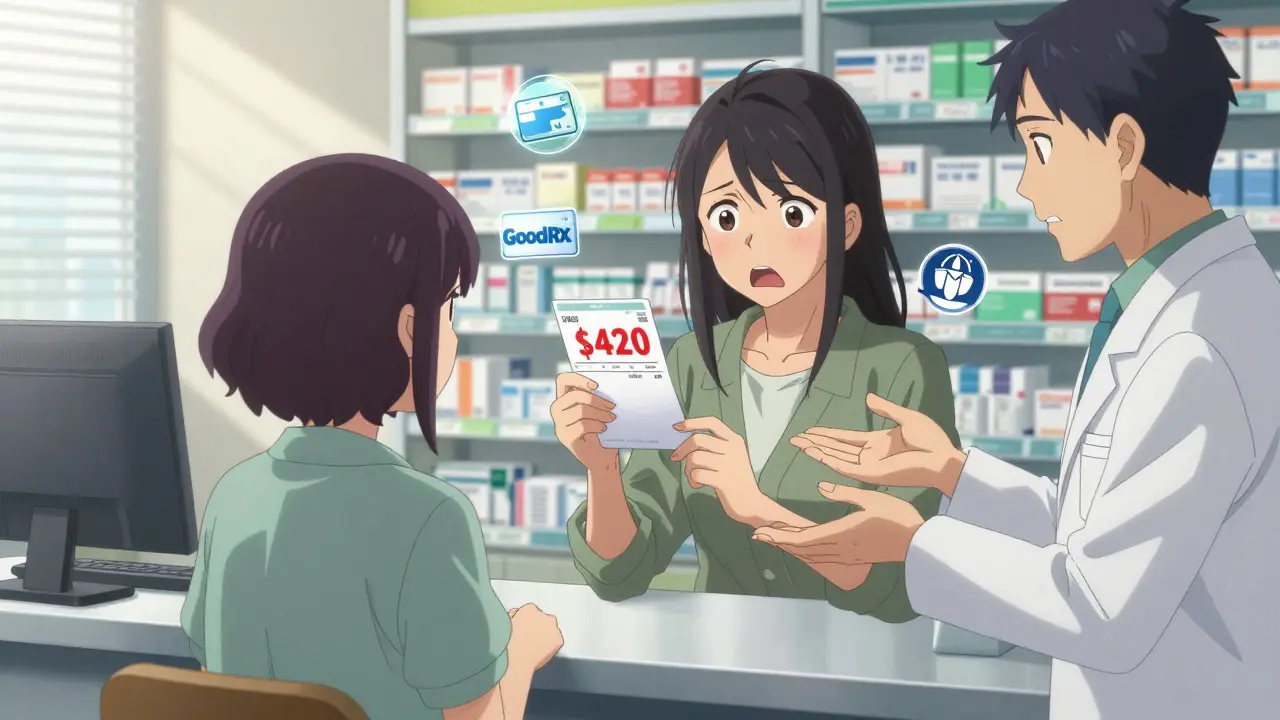
Learn how to talk to your doctor and pharmacist about prescription costs before filling your script. Discover how Medicare caps, discount cards, and formularies can save you hundreds - and avoid costly surprises.
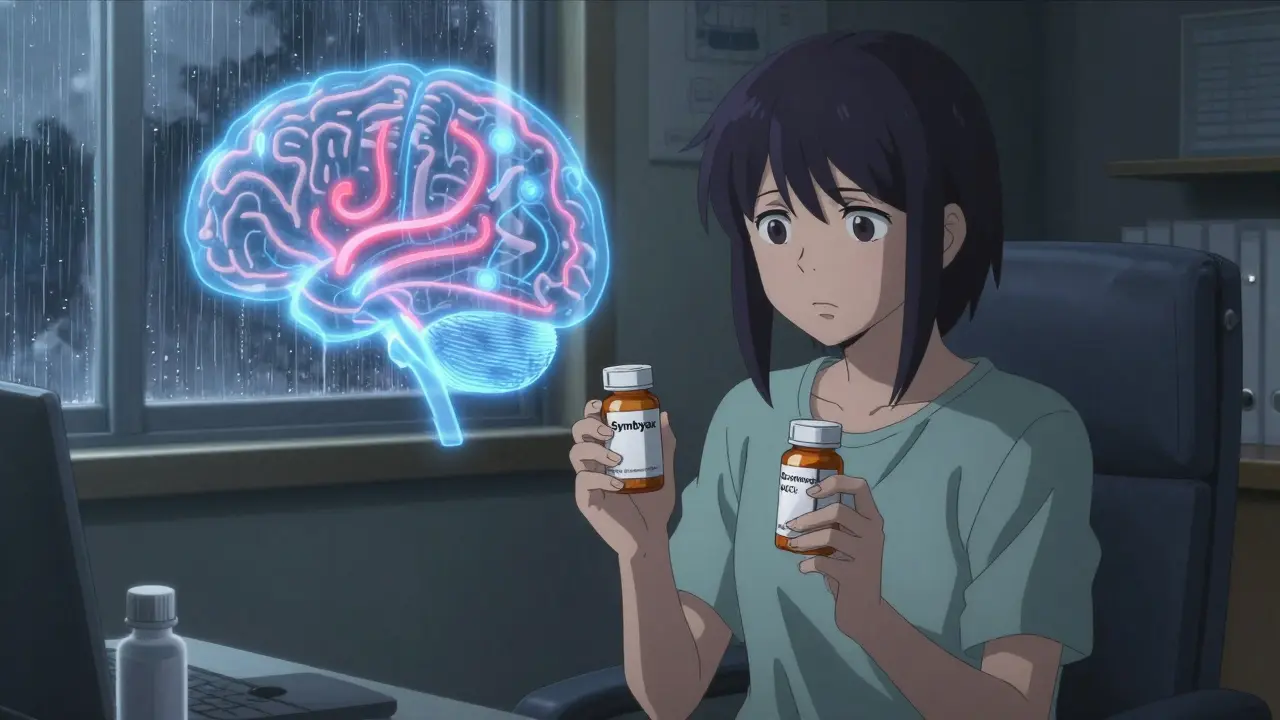
Psychiatric medication combinations can improve treatment for resistant depression and bipolar disorder, but switching to generic versions carries real risks. Learn why even small changes in drug absorption can trigger relapse, hospitalization, and worsening symptoms-and what patients can do to protect their treatment.

Special instructions on prescription labels guide safe medication use. Learn how to read them, avoid common mistakes, and where to find help. Misunderstandings affect nearly half of patients, leading to serious risks. Discover practical steps to ensure correct usage and stay safe.
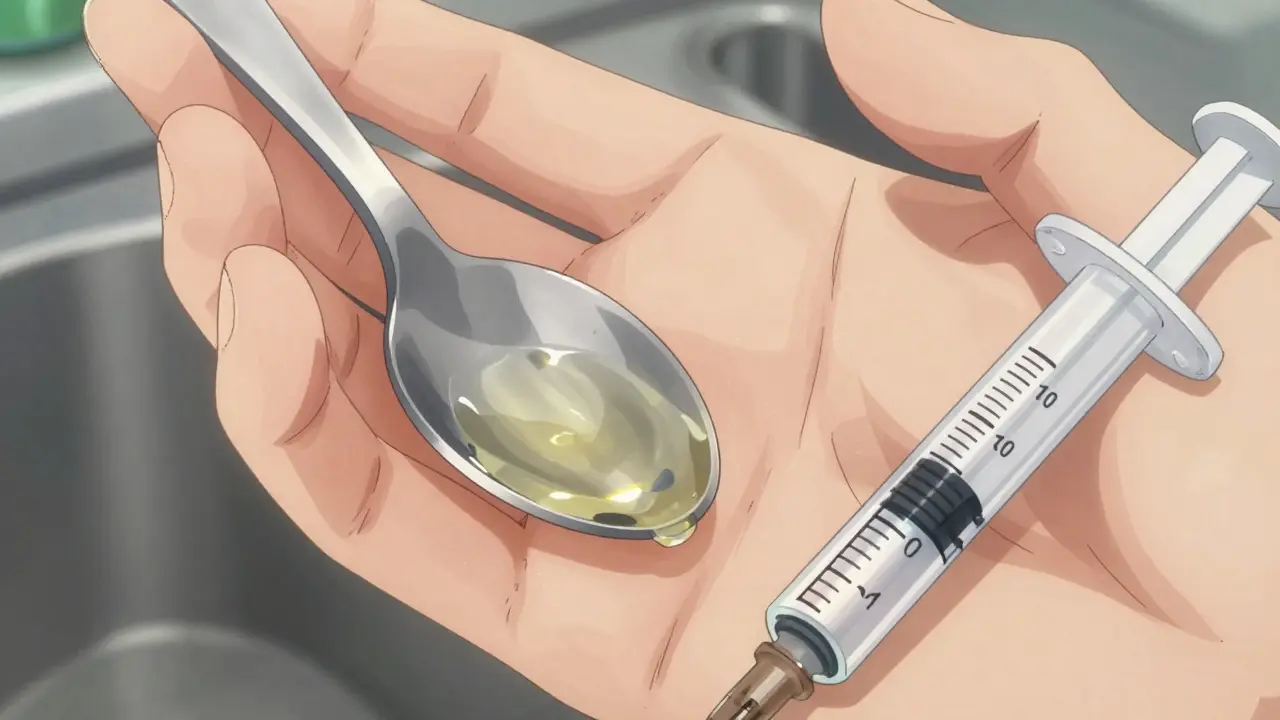
Learn how to accurately read liquid prescription labels to avoid dangerous medication errors. This guide explains metric measurements, common mistakes, and safe dosing practices for parents and caregivers.
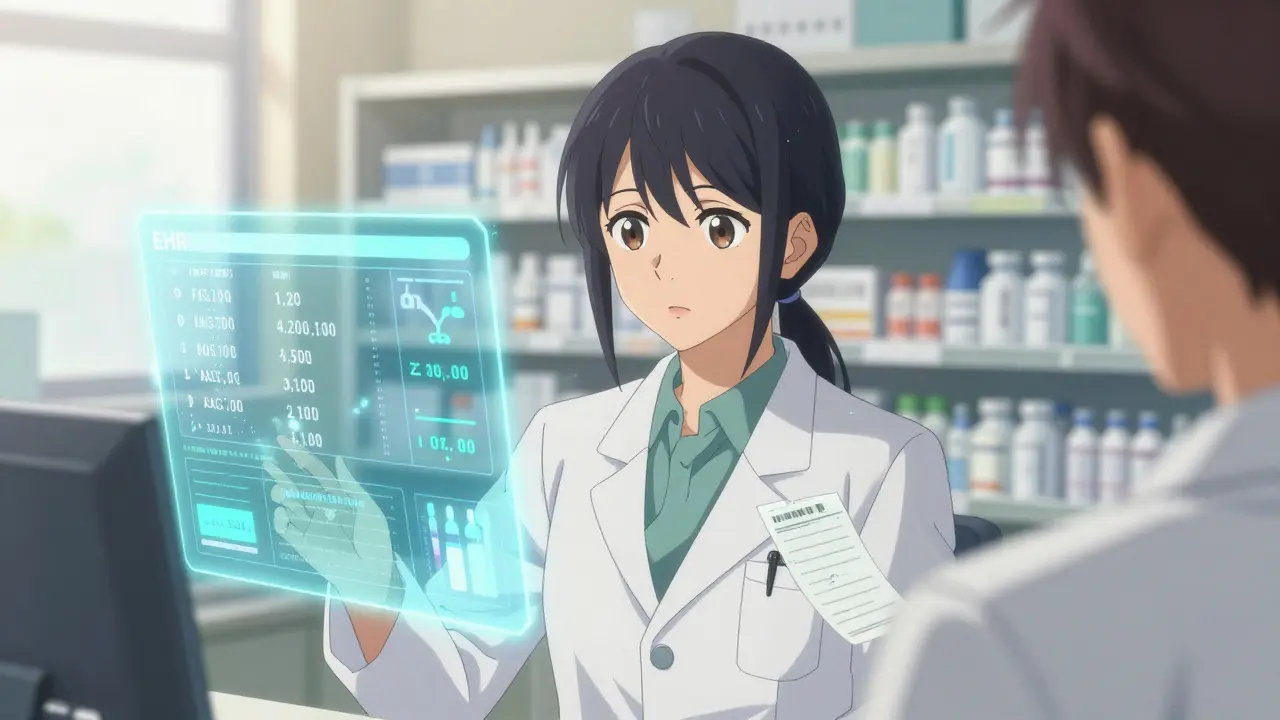
EHR Integration: How Pharmacy-Provider Communication Improves Prescription Accuracy and Patient Care
EHR integration connects doctors and pharmacies in real time, cutting prescription errors, reducing hospitalizations, and saving lives. Here’s how it works, who’s using it, and why it’s still not everywhere.

Checking medication labels before every dose prevents deadly errors. Learn the 10 key details to verify, how to build the habit in 3 weeks, and why this simple step saves lives.
 Medications