
Category: Medications - Page 2
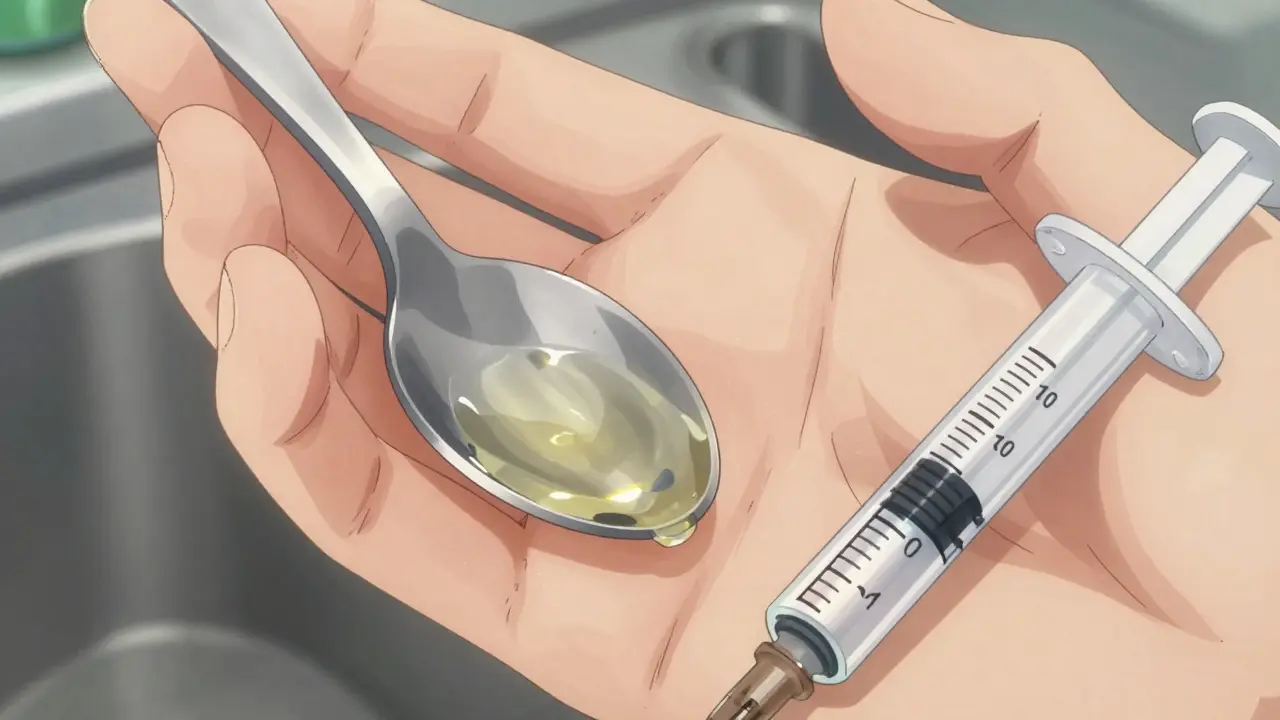
Learn how to accurately read liquid prescription labels to avoid dangerous medication errors. This guide explains metric measurements, common mistakes, and safe dosing practices for parents and caregivers.

Checking medication labels before every dose prevents deadly errors. Learn the 10 key details to verify, how to build the habit in 3 weeks, and why this simple step saves lives.

Generic drugs must match brand-name absorption rates within strict FDA limits to be approved. Learn how bioequivalence standards ensure they work the same - and why patient concerns often stem from myths, not science.

Drug interactions can turn mild side effects into dangerous health risks. Learn how common combos like statins with grapefruit or warfarin with aspirin increase harm - and what you can do to stay safe.

First generics and authorized generics enter the market differently - and timing determines how much you pay. Learn how brand companies use authorized generics to undercut true competition and limit price drops.
Generic prescribing incentives reward doctors for choosing lower-cost generic drugs. Learn how these programs work, their impact on care, and why some providers feel they cross ethical lines.

Combining metoclopramide with antipsychotics can trigger neuroleptic malignant syndrome, a life-threatening condition. Learn why this interaction is dangerous, who's at risk, and what safer alternatives exist.
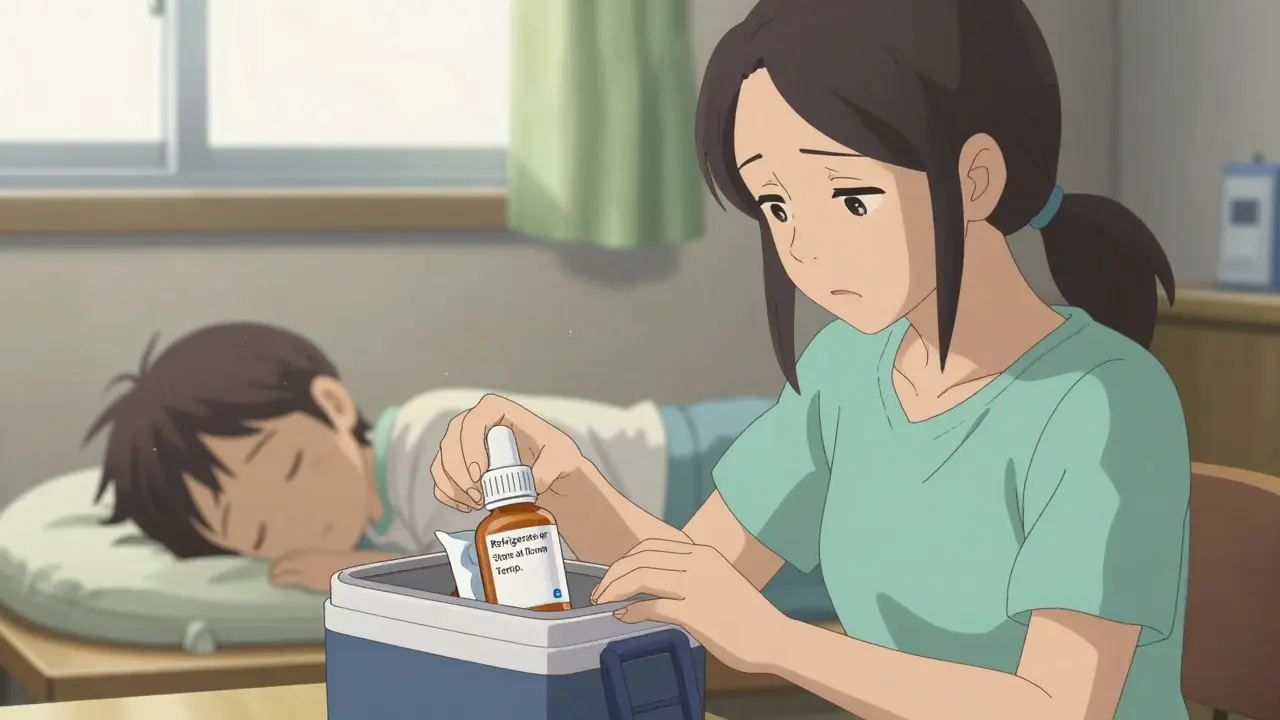
Learn how to properly store liquid antibiotics and reconstituted suspensions to ensure they remain effective. Discover which ones need refrigeration, how long they last, and what happens if you store them wrong.

Authorized generics are identical to brand-name drugs in every way - same ingredients, same manufacturer, same effects. Learn how they compare to regular generics and why they matter for your health.
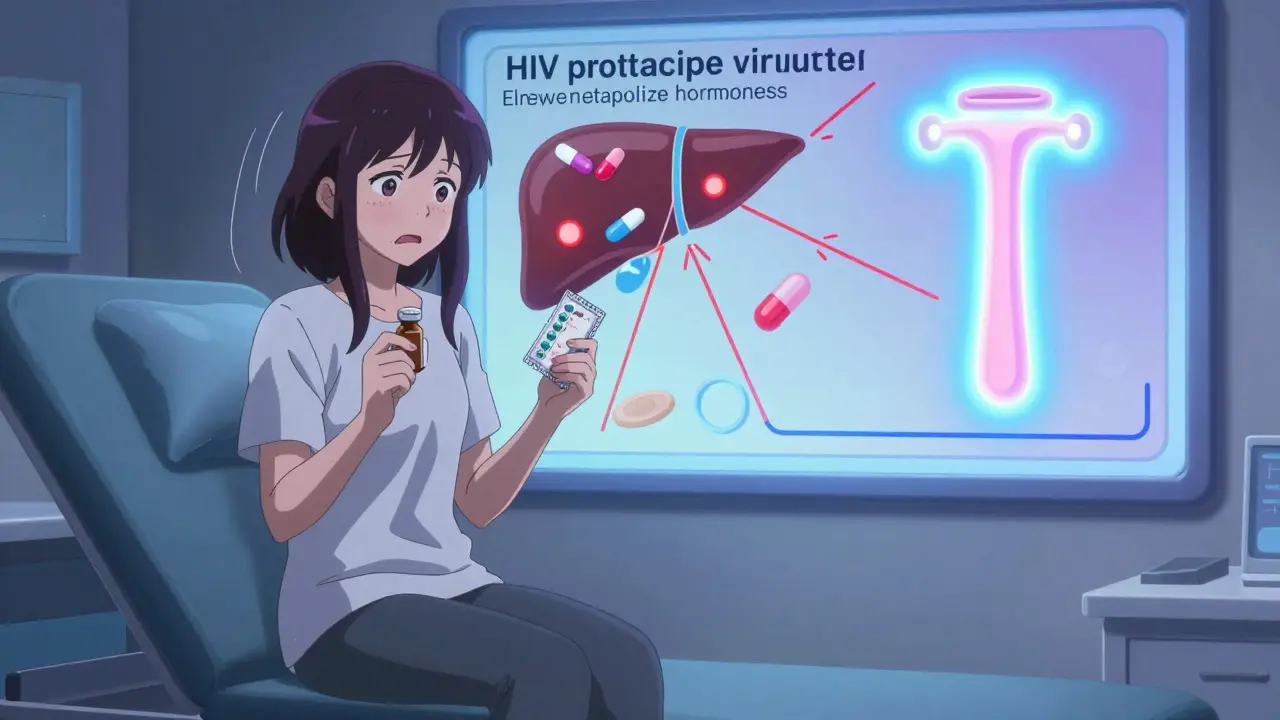
HIV protease inhibitors can drastically reduce the effectiveness of hormonal birth control, leading to unplanned pregnancies. Learn which methods are unsafe, which are reliable, and what to do if you're on antiretroviral therapy.
 Medications