
Author: Caspian Oakwood

Learn how CAPD and APD work at home for kidney failure treatment. Compare manual vs. automated dialysis, safety, cost, and who benefits most from each method. Make an informed choice based on your lifestyle and health needs.

Automated refills for generic medicines help patients stay on track with chronic meds by removing refill barriers. Studies show they improve adherence by up to 7.2%, cut pharmacy workload, and reduce out-of-pocket costs - but only if used safely.

Gallstones cause severe pain and can lead to dangerous complications. Learn how biliary colic turns into cholecystitis, why surgery is the best solution, and what to expect from laparoscopic removal.

Audiometry testing uses decibel levels and frequency tones to diagnose hearing loss. Learn how air and bone conduction, speech tests, and tympanometry reveal the cause and severity of hearing problems.

Pharmacogenomics testing uses your DNA to predict how you’ll respond to medications, reducing side effects and improving treatment success-especially for antidepressants, heart drugs, and painkillers. Learn how it works and who benefits most.

Naloxone can reverse opioid overdoses in minutes. Learn how it works, how to use it, where to get it for free, and how to store it safely. This is what every family, friend, and neighbor should know.
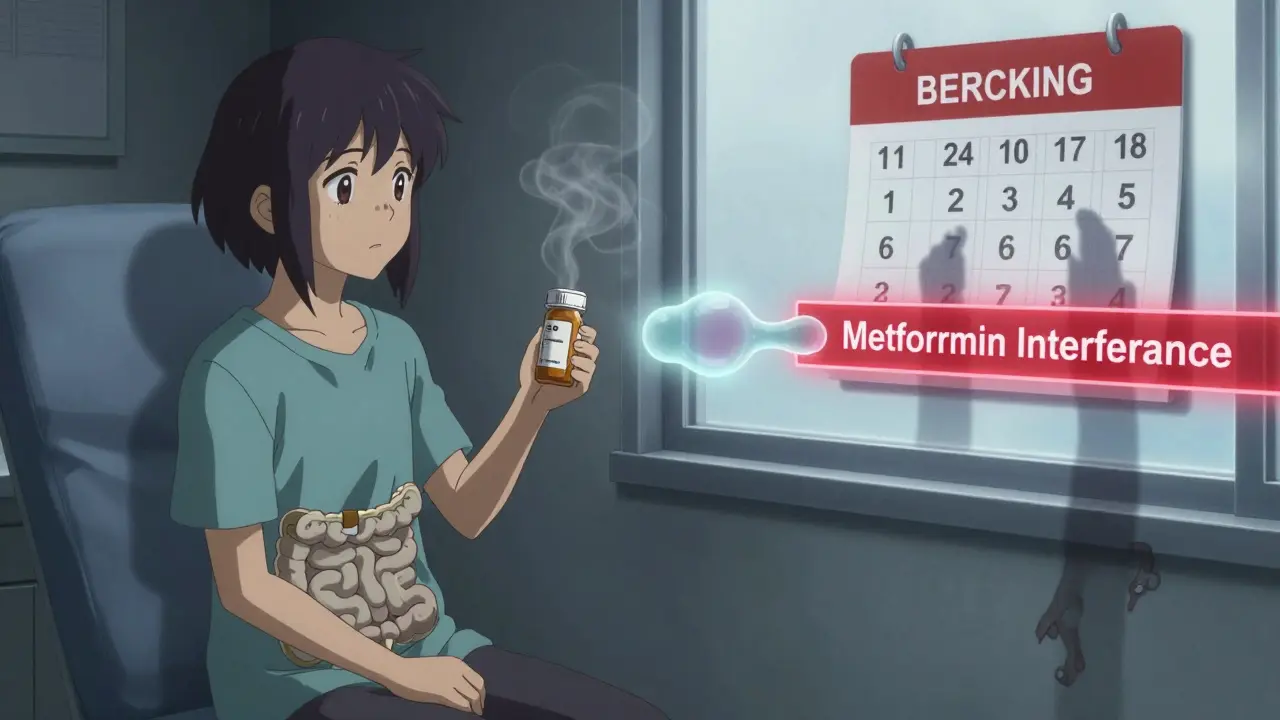
Long-term metformin use can cause vitamin B12 deficiency, leading to nerve damage, fatigue, and confusion. Learn the symptoms, who's at risk, and how to prevent irreversible complications with simple testing and supplements.
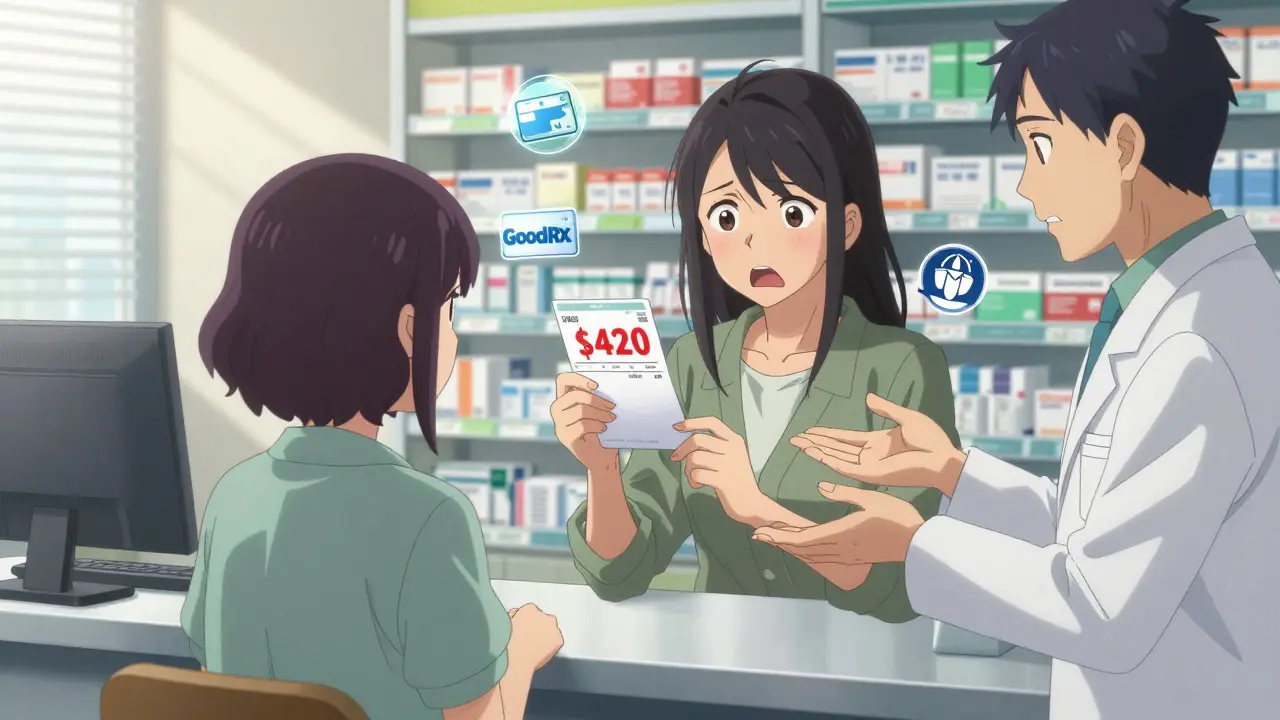
Learn how to talk to your doctor and pharmacist about prescription costs before filling your script. Discover how Medicare caps, discount cards, and formularies can save you hundreds - and avoid costly surprises.
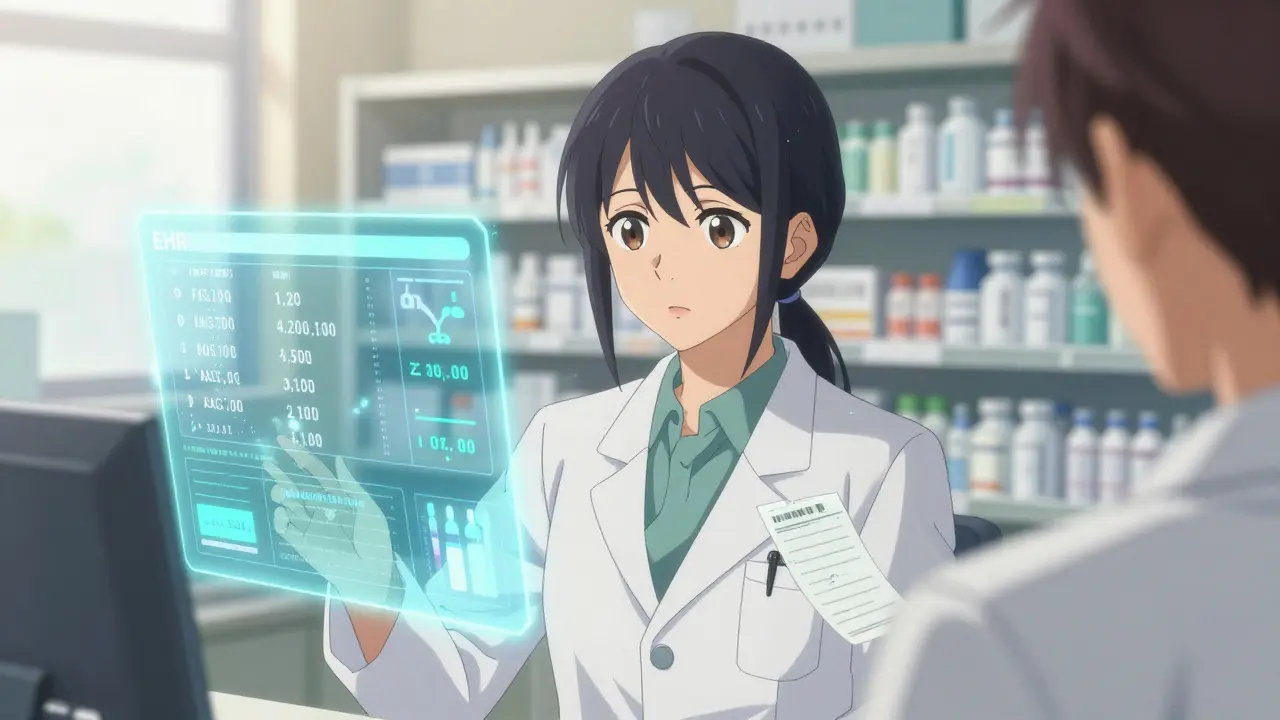
EHR Integration: How Pharmacy-Provider Communication Improves Prescription Accuracy and Patient Care
EHR integration connects doctors and pharmacies in real time, cutting prescription errors, reducing hospitalizations, and saving lives. Here’s how it works, who’s using it, and why it’s still not everywhere.
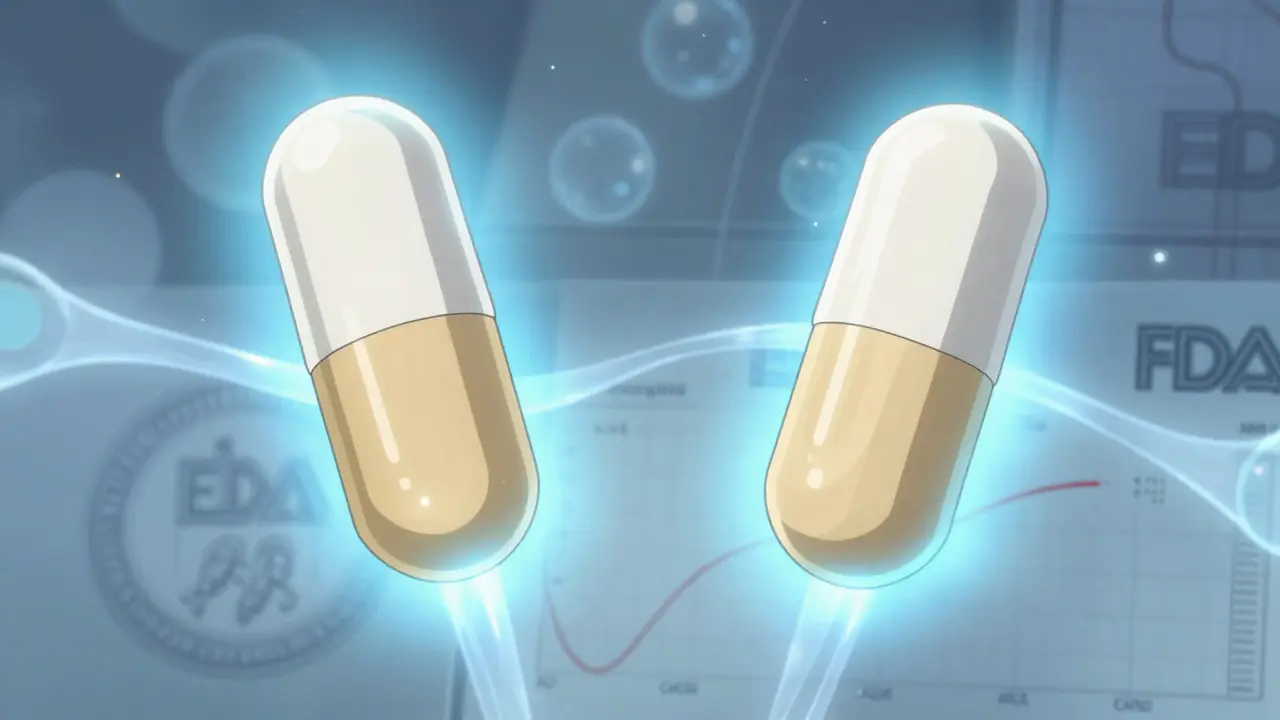
Generic drugs must match brand-name absorption rates within strict FDA limits to be approved. Learn how bioequivalence standards ensure they work the same - and why patient concerns often stem from myths, not science.
 Medications