
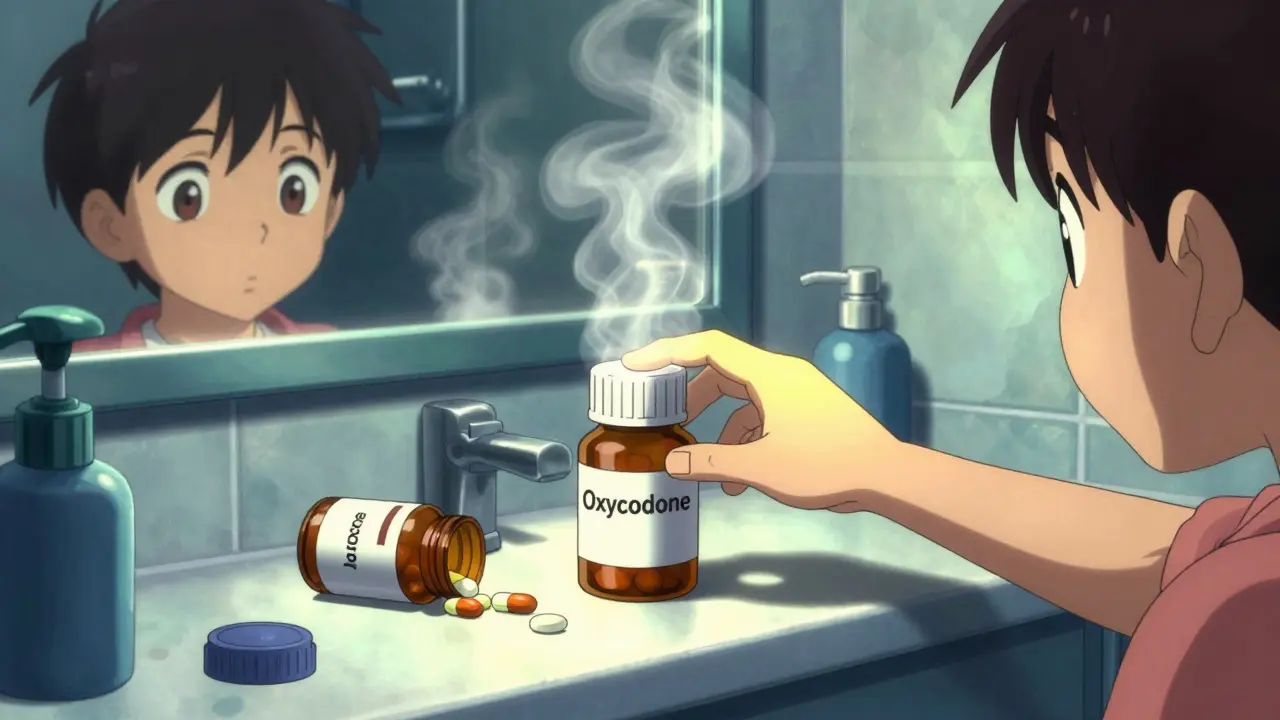
Living with others doesn’t mean you have to risk someone accidentally taking your pills-or worse, someone stealing them. Whether you’re in a multi-generational home, an assisted living facility, or a shared apartment with roommates, medication storage isn’t just a suggestion. It’s a safety rule. And getting it wrong can lead to serious health risks, legal trouble, or even death.
Why Medication Storage in Shared Spaces Is a Big Deal
Think about this: a child finds a bottle of painkillers in the bathroom cabinet. An elderly parent forgets they already took their blood pressure pill and takes another. A roommate grabs what they think is a sleeping aid, but it’s actually a controlled substance. These aren’t hypotheticals. According to a 2025 survey by SeniorHelpers, 67% of multi-generational households had at least one medication-related incident in the past year. Nearly half of those involved kids accessing medicines stored in easy-to-reach places. The Joint Commission found that between 2020 and 2021, 13% of hospitals got cited for improper medication storage. That’s not just a hospital problem-it’s a household problem too. Medications lose potency when exposed to heat, moisture, or light. Insulin, for example, can degrade by up to 30% in just 24 hours if stored on a fridge door shelf. And controlled substances like opioids? They’re targeted for misuse. Locked storage isn’t about distrust-it’s about responsibility.What the Law and Experts Say
In professional settings like assisted living homes, rules are strict. By 2025, 47 U.S. states require medications to be stored in locked cabinets or rooms. Large facilities almost always have a dedicated medication room or cart. Medium and small homes? Less consistent. One study found that 28% of small homes stored meds on an open shelf-despite having a locked closet nearby. Policy doesn’t always match practice. The Joint Commission’s standards are clear: medications must be stored according to manufacturer instructions. That means refrigerated drugs go in the coldest part of the fridge-not the door. Controlled substances need locked access, and every time someone takes one, it should be logged. Labels must be clear. Expired meds? Get rid of them. And yes, this applies to over-the-counter pills too. Tylenol, ibuprofen, antihistamines-they all have storage needs. In private homes, there’s no federal law forcing you to lock your meds. But that doesn’t mean you shouldn’t. The CDC and FDA both recommend secure storage to prevent accidental poisoning and misuse. Especially if you live with kids, teens, or older adults with memory issues.Where to Store Medications: The Right Places
Forget the bathroom. It’s hot, humid, and full of temptations. The medicine cabinet? A bad idea. That’s where kids look-and where steam from showers ruins pills. Best option for homes: A locked drawer or box in a bedroom, preferably in the main caregiver’s room. Use a small, affordable medication safe (available at pharmacies or online). Look for ones with combination locks or key access. Avoid ones that look like toys or candy containers. For shared apartments: If you’re living with roommates who don’t take meds, keep yours locked and labeled clearly. If everyone takes meds, consider a shared locked box with individual compartments. Label each one with the resident’s name and medication type. No sharing. For assisted living: Facilities should have a designated medication room with temperature control, locked access, and a logbook. If you’re visiting or helping a loved one, ask to see where their meds are stored. If they’re just sitting on a counter? That’s not okay.Temperature Matters More Than You Think
Not all meds need the fridge. But many do. Insulin, liquid antibiotics, eye drops, and some biologics require steady cold. The ideal spot? The center of the refrigerator, not the door. Door shelves swing 10°F or more with every opening. That’s enough to ruin your dad’s insulin. A 2024 case study from Eper.com showed a man’s blood sugar went wild after his insulin sat on the fridge door for three weeks. The temperature fluctuated too much. He didn’t realize it-until he ended up in the ER. If you’re sharing a fridge, use a small, labeled container inside a locked box. Some smart medication storage units now come with built-in temperature sensors. They alert you if it gets too warm. These cost around $80-$150, but for someone on daily insulin? Worth every penny.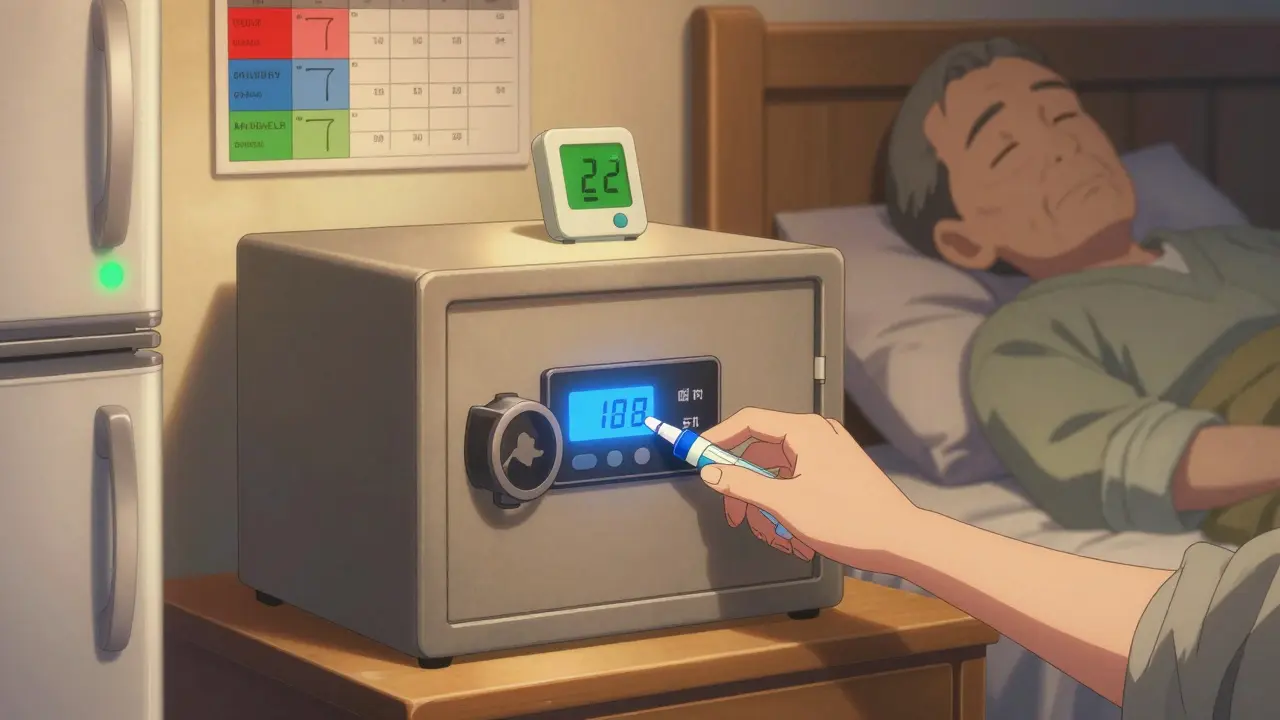
Labeling and Organization: Keep It Simple
If you can’t read the label, you can’t take it right. Generic pill bottles? Use a permanent marker. Write the name of the medication, the dose, and the time it’s taken. If you’re using a pill organizer, label each compartment with the day and time. For shared spaces, color-code. Red for blood pressure, blue for diabetes, green for anxiety meds. Use sticky notes or pre-printed labels. No one should guess what’s what. And here’s a simple rule: One person, one container. Don’t mix meds in a single jar. Even if they look similar. One woman in a group home mixed her thyroid med with her antidepressant. She ended up in the hospital.What to Do with Expired or Unused Meds
Don’t flush them. Don’t throw them in the trash. Don’t leave them sitting around. In the UK, you can take expired or unwanted meds to any pharmacy for safe disposal. Most have a take-back bin near the front. If you’re in the U.S., check with your local DEA or pharmacy for drop-off locations. Some communities hold annual drug take-back days. If you can’t get to a pharmacy, mix pills with coffee grounds or cat litter, seal them in a bag, and toss them in the trash. This makes them unappealing and unusable. Remove personal info from bottles before recycling.Special Cases: Controlled Substances and Kids
If someone in the house takes opioids, benzodiazepines, or stimulants like Adderall, treat them like cash. Locked cabinet. Limited access. Written log. Even if you’re the only one who uses them, record when you take them. If you’re a caregiver, never leave them unattended. For households with children, install a childproof lock on the storage box. Most basic safes have this. If your child is under 10, keep the key or code with an adult-not in a drawer they can reach. A 2025 study found that 42% of medication incidents in homes involved children under 12.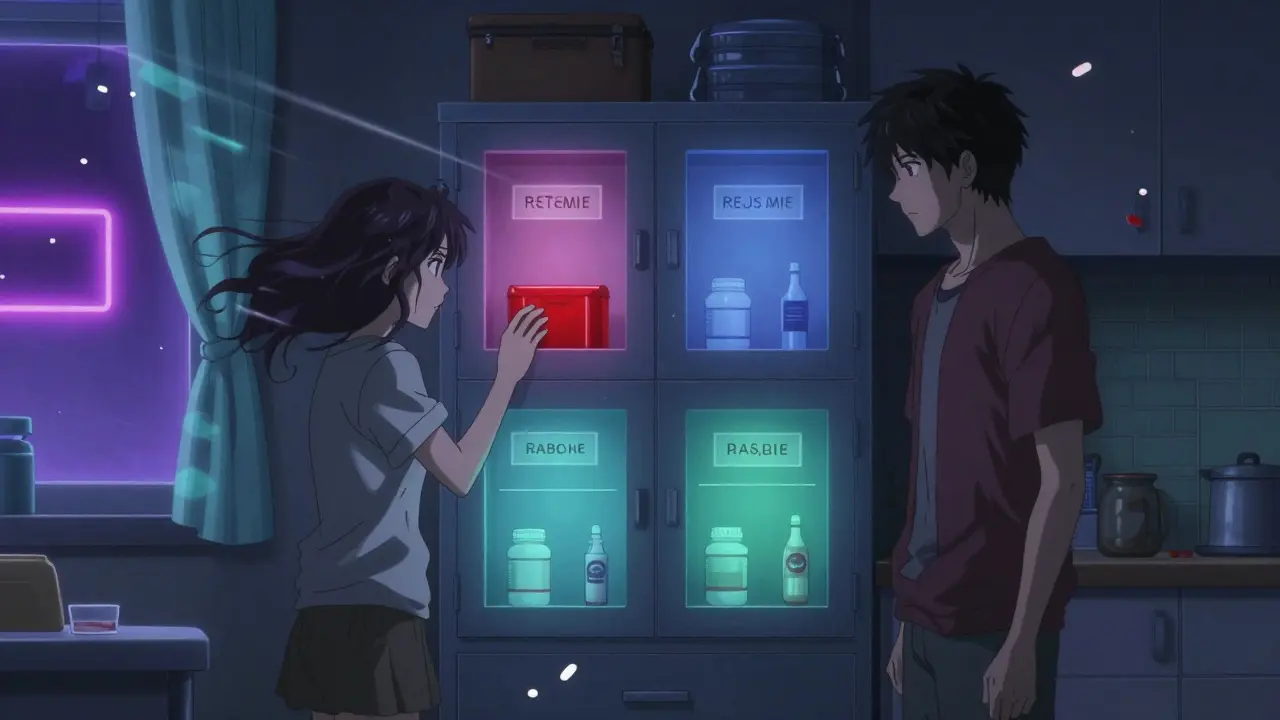
Creating a Shared Medication System
If you live with multiple people taking meds, set up a system. Here’s how:- Clear out the clutter. Go through all meds. Toss anything expired, discolored, or unlabeled. Ask a pharmacist if you’re unsure.
- Group by type. Separate daily pills, as-needed meds, injectables, and creams. Store each group in its own labeled container.
- Choose a secure spot. Locked drawer. Medication safe. Dedicated cabinet. No exceptions.
- Assign responsibility. Who checks the fridge temp? Who refills the pill organizer? Who takes expired meds to the pharmacy? Write it down.
- Review monthly. Set a calendar reminder. Check for new prescriptions, changes in dosage, or meds that are no longer needed.
Common Mistakes (And How to Avoid Them)
- Mistake: Storing meds in the kitchen or bathroom. Fix: Move them to a dry, cool, locked drawer.
- Mistake: Assuming ‘it’s just one pill’ won’t hurt. Fix: Even one extra dose of blood thinner can cause internal bleeding.
- Mistake: Not labeling. Fix: Write the name, dose, and time on every container-even if you think you’ll remember.
- Mistake: Letting someone else take your meds. Fix: Never share. Ever. Even if they have the same symptom.
- Mistake: Ignoring expiration dates. Fix: Check every 3 months. When in doubt, toss it.
Tools That Help
You don’t need fancy tech to stay safe. But some tools make it easier:- Medication safes ($30-$150): Lockable boxes with compartments. Some have alarms or timers.
- Smart pill dispensers ($100-$300): Dispense meds at set times, send alerts if skipped. Good for memory issues.
- Temperature monitors ($25-$60): Stick-on sensors that track fridge temps. Send alerts to your phone.
- Pill organizers ($5-$20): Weekly or monthly trays. Use with clear labels.
Final Thought: It’s Not About Control. It’s About Care.
Managing meds in shared spaces isn’t about being strict. It’s about being smart. It’s about protecting the people you live with-from themselves, from accidents, from harm. Whether you’re caring for an aging parent, living with roommates, or helping a sibling with chronic illness, the same rules apply: lock it, label it, log it, and never ignore it. The system doesn’t have to be perfect. But it has to be consistent. One locked drawer. One clear label. One monthly check. That’s all it takes to prevent a disaster.Can I store my medications in the bathroom cabinet?
No. Bathrooms are too humid and warm, which can ruin pills and make them less effective. Moisture from showers can cause tablets to break down. Store medications in a cool, dry place like a locked bedroom drawer instead.
Do I need to lock my medications if I live with family?
Yes-even with family. Children, teens, or even older adults with memory issues can accidentally-or intentionally-take the wrong pill. Locking meds reduces risk. A simple locked drawer or small safe costs less than a pharmacy co-pay.
Which medications need to be refrigerated?
Common ones include insulin, some antibiotics (like liquid amoxicillin), eye drops, certain biologics, and rectal suppositories. Always check the label or ask your pharmacist. Store them in the center of the fridge-not the door-where temperatures stay steady between 36-46°F.
How do I dispose of old or expired medications?
Take them to any pharmacy in the UK-they have free take-back bins. In the U.S., check for DEA take-back events or drop-off locations. If that’s not possible, mix pills with coffee grounds or cat litter, seal them in a bag, and throw them in the trash. Remove labels first.
What if someone in my home has a controlled substance like opioids?
Store them in a locked cabinet accessible only to the person who needs them. Keep a log of when doses are taken. Never leave them unattended. If you’re a caregiver, consider a smart lockbox that records access. These substances are high-risk for misuse-even by people who know the patient.
Are there apps or gadgets that help track medication storage?
Yes. Smart pill dispensers can remind users when to take meds and alert caregivers if a dose is missed. Some temperature sensors connect to your phone and warn you if your fridge gets too warm. There are also apps for logging meds, but physical locks and labels still matter most.
How often should I check my medication storage system?
Check every month. Look for expired pills, broken containers, missing doses, or signs of tampering. Update labels if dosages change. Make it part of your routine-like checking the smoke alarms. A quick 10-minute review can prevent a crisis.
 Medications
Donna Packard
December 17, 2025 AT 00:47Just started using a locked drawer for my mom's meds after she nearly took double her blood pressure pill last week. So simple, but it made me feel way less anxious.
Thanks for the reminder that it’s not about distrust-it’s about care.
Sachin Bhorde
December 17, 2025 AT 01:44As a pharmacist in Mumbai, I’ve seen too many cases where families store insulin on the kitchen counter because ‘it’s just for a few days.’
Heat kills it fast-like 30% potency loss in 24 hours, just like the article says.
Always keep it in the fridge center. Even in 40°C weather, a small insulated box with a cold pack works wonders.
Joe Bartlett
December 17, 2025 AT 18:15UK pharmacies take back meds for free-why can’t the US make this easier? It’s 2025, not 1995.
Virginia Seitz
December 18, 2025 AT 21:20locked drawer + emoji: 🔒💊
game changer. 🙌
Naomi Lopez
December 19, 2025 AT 02:29It’s astonishing how many people still store medications in the bathroom, despite decades of public health advisories.
The humidity alone degrades molecular integrity-particularly for enteric-coated tablets and biologics.
It’s not merely impractical; it’s pharmacologically negligent.
Salome Perez
December 19, 2025 AT 12:26I work in home care for seniors, and I can’t tell you how many times I’ve walked into a home and seen a half-empty bottle of Xanax on the nightstand next to a glass of water and a half-eaten cookie.
One time, a granddaughter thought it was candy. She didn’t even know what it was.
Lock it. Label it. Log it. It’s not paranoia-it’s protection.
And yes, even if you ‘trust’ your roommate. Trust doesn’t stop a wandering hand or a confused mind.
Raven C
December 21, 2025 AT 06:57One must question the underlying ethos of this entire discourse: the assumption that shared living necessitates institutionalized control over personal pharmaceuticals.
Is this not a slippery slope toward the medicalization of domestic autonomy?
Where does one draw the line between ‘safety’ and ‘surveillance’?
Are we now to log the ingestion of ibuprofen as if it were a Schedule II substance?
And who, pray tell, is responsible for auditing these ‘logbooks’?
The FDA? The HOA? The algorithmic nanny-state?
One cannot help but detect a faint aroma of technocratic authoritarianism in this ‘system’-a system that treats human beings as liabilities to be managed rather than agents to be trusted.
Perhaps, instead of locking away pills, we should be fostering communication, education, and mutual respect.
After all, a locked drawer does not prevent a determined soul from seeking out a pill-it merely shifts the burden of responsibility onto the caregiver.
And what of the dignity of the individual who simply wishes to take their own medication, without being treated like a child?
Is this not the very definition of infantilization?
Let us not mistake control for care.
And let us not confuse safety with suspicion.
Marie Mee
December 22, 2025 AT 20:09Did you know the government is secretly tracking who uses medication safes?
They use the serial numbers on the locks to build profiles.
My cousin’s neighbor got flagged because she bought a safe after her husband died.
Now the IRS is auditing her for ‘unexplained pharmaceutical income’.
They think she’s selling pills.
She’s not.
She just doesn’t want her kids to find her anxiety meds.
It’s all connected.
They want you scared.
Lock your meds if you want.
But don’t think you’re safe.
Chris Van Horn
December 23, 2025 AT 14:16How is it possible that anyone still needs to be told not to store insulin on the fridge door?
Are we living in a parallel universe where basic science is optional?
This article reads like a public service announcement for people who still think the Earth is flat.
And yet, here we are.
Someone, somewhere, is still keeping their blood pressure meds in a Ziploc bag on the windowsill.
It’s not ignorance-it’s negligence.
And if you’re one of those people, you’re not just risking your own life-you’re risking everyone else’s.
Stop being lazy.
Buy a $30 lockbox.
It’s not hard.
And if you can’t afford it, you shouldn’t be taking pills that cost $500 a month.
Kaylee Esdale
December 24, 2025 AT 10:57My grandma used to keep all her pills in a cookie jar labeled ‘Treats for Tummy Aches’.
She’d give them to grandkids like candy.
One day, my cousin took two and ended up in the ER.
After that, we got a little lockbox.
Simple.
Color-coded.
One jar per person.
Now she calls it her ‘magic medicine box’ and lets the grandkids help her label it.
Turned fear into fun.
That’s the real win.
Michael Whitaker
December 25, 2025 AT 19:26I must respectfully offer an alternative perspective: while the article presents a compelling case for institutionalized storage, it fails to account for the psychological impact of such measures on individuals with chronic illness.
When one’s identity becomes conflated with their medication regimen, the act of locking pills away may reinforce feelings of stigma, shame, or dependency.
Perhaps the real issue is not storage-it’s the cultural narrative surrounding medication use.
Should we not be cultivating environments where taking pills is normalized, not criminalized?
Locking may prevent accidents, but it may also deepen isolation.
Just a thought.
Patrick A. Ck. Trip
December 26, 2025 AT 10:10Good advice overall, though I think the article underestimates the role of digital tools.
I use a smart dispenser that sends me a text if I miss a dose, and my caregiver gets an alert too.
It’s not perfect-sometimes it beeps at 3 a.m. because I slept through the alarm.
But it’s saved me from a couple of near-misses.
Also, the temperature sensor I stuck on my fridge? It told me the door was left open for 17 minutes last week.
Insulin was fine, but I learned to close it better.
Small tech, big difference.
Just make sure you don’t let the gadget replace the habit of checking labels.
Meghan O'Shaughnessy
December 28, 2025 AT 07:44My roommate and I share a locked box with two compartments. We label everything in Sharpie. We check it every Sunday. No drama. No drama.
It’s not about trust. It’s about clarity.
And honestly? It’s kind of nice knowing where everything is.
Salome Perez
December 29, 2025 AT 16:19Just saw someone reply saying locking meds is ‘infantilizing’.
Let me ask you this: would you leave a loaded gun unlocked because you ‘trust’ your family?
Would you leave bleach in a soda bottle because you ‘trust’ your kids?
Medications are dangerous too.
Not because people are bad.
But because humans are human.
Confusion, curiosity, forgetfulness-they don’t care about your dignity.
They just happen.
Locking isn’t about control.
It’s about protecting people from themselves.
And that’s not infantilizing.
That’s love.