
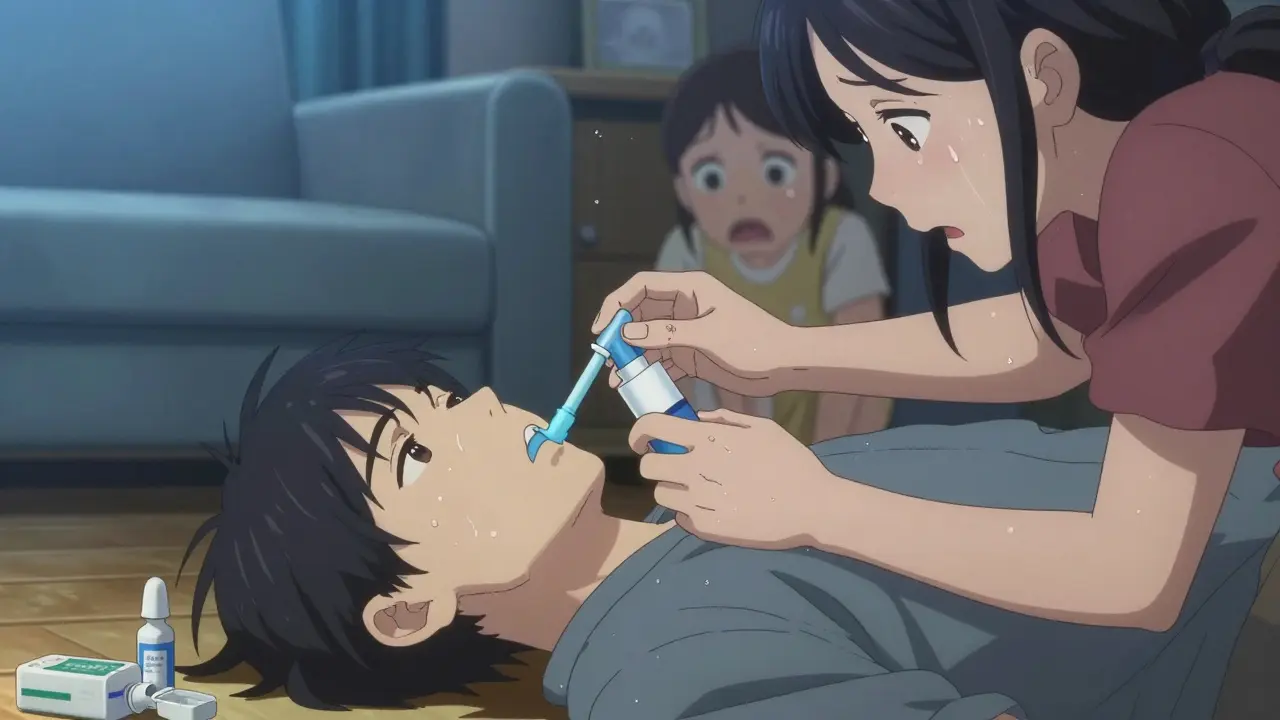
Every year, more than 100,000 people in the U.S. die from opioid overdoses. Many of these deaths happen because someone doesn’t know what to do when a friend, family member, or stranger stops breathing. The truth? Naloxone can save a life in under five minutes. It’s not magic. It’s medicine. And it’s easier to use than you think.
What Naloxone Does - And What It Doesn’t
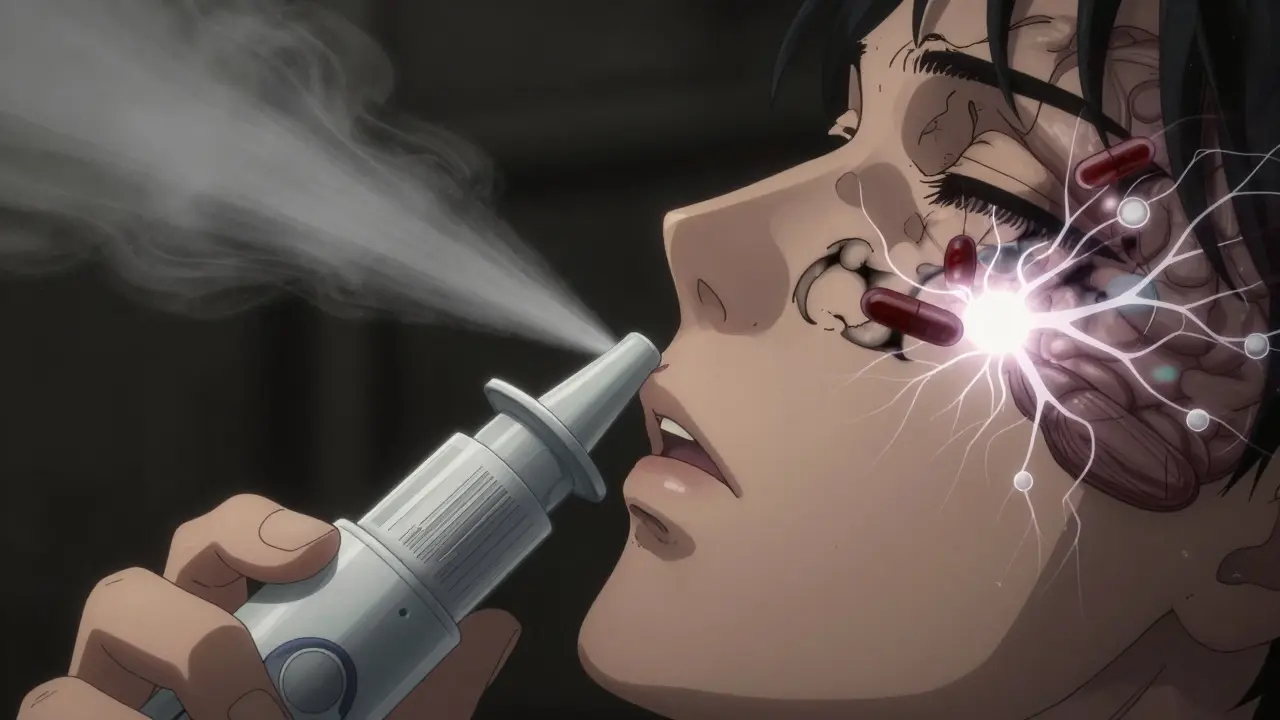
Naloxone is a drug that kicks opioids out of your brain’s receptors. When someone overdoses on heroin, fentanyl, oxycodone, or morphine, their breathing slows or stops because opioids bind too tightly to those receptors. Naloxone rushes in, grabs those same receptors, and pushes the opioids out. That’s it. No guesswork. No complex steps. Within 3 to 5 minutes, breathing usually starts again.
But here’s the catch: naloxone only works on opioids. It won’t reverse an overdose from benzodiazepines, alcohol, cocaine, or meth. If someone’s passed out from mixing drugs, you still need to give naloxone if opioids are involved - but you must call 911 anyway. Naloxone buys time. It doesn’t replace emergency care.
It’s also incredibly safe. If you give naloxone to someone who hasn’t taken opioids? Nothing happens. No side effects. No danger. That’s why it’s legal to carry without a prescription in every U.S. state as of December 2023. Even kids as young as 12 have been trained to use it.
How It Works: Nasal Spray vs. Injection
There are two main ways to give naloxone: nasal spray and injection. The nasal spray - like Narcan - is the most common today. You don’t need to be a nurse. Just tilt the head back, insert the nozzle into one nostril, and press the plunger. Done. No needles. No training required.
Studies show nasal spray works just as well as injection. In fact, a 2021 study in the Journal of Addiction Medicine found that laypeople successfully reversed overdoses with nasal spray 85% of the time, compared to 78% with injection. Why? Because in a panic, people forget how to use a syringe. They remember how to press a button.
But there’s a problem. Fentanyl and its stronger cousins like carfentanil are so powerful that one dose of naloxone often isn’t enough. The CDC reports that 40% of fentanyl overdoses require two or more doses. That’s why newer 8 mg nasal sprays were approved in April 2024. They’re designed for these high-potency cases.
Injectable naloxone (0.4 mg per dose) is still used by EMS and hospitals. But for most people, the nasal spray is the best option. It’s easier, faster, and more reliable in real-world emergencies.
What Happens After You Give It
After you give naloxone, the person will likely wake up - fast. But they won’t feel great. They’ll be in full opioid withdrawal. That means:
- Agitation or anger
- Nausea and vomiting
- Sweating and shaking
- Intense cravings
This isn’t an allergic reaction. It’s the body reacting to the sudden removal of opioids. It’s scary - for them and for you. But it’s not dangerous. In fact, it’s proof the naloxone worked.
Here’s what you do next:
- Call 911 immediately - even if they wake up.
- Place them in the recovery position: on their side, one leg bent, head tilted back. This stops them from choking if they vomit.
- Stay with them. Monitor breathing. Naloxone wears off in 30 to 90 minutes. Opioids can last much longer. If they stop breathing again, give another dose.
- Don’t leave them alone. Even if they insist they’re fine, they need medical evaluation.
On Reddit, users in r/OpiatesRecovery shared hundreds of stories. One wrote: “I gave two doses. He woke up screaming, punched the wall, then cried and hugged me. He didn’t want to go to the hospital. I held his hand until the ambulance came.”
Where to Get Naloxone - And How Much It Costs
You can buy naloxone nasal spray at any pharmacy without a prescription. Narcan is the most common brand. The retail price? Around $130 to $150 for a two-dose kit. That’s expensive. But here’s the good news: most community health centers, harm reduction programs, and even some libraries give it away for free.
In 2022, U.S. programs distributed 1.2 million naloxone kits. That’s up 300% from 2019. Many states now fund these programs through public health grants. If you’re worried about cost, search “free naloxone near me” - you’ll find options.
Some people worry about stigma. “What if someone sees me carrying it?” But naloxone isn’t a drug for drug users. It’s a tool for anyone who cares about someone who uses drugs. Parents, partners, coworkers, neighbors - all of you should have it.
Safe Storage: Keep It Ready, Not Forgotten
Naloxone doesn’t expire overnight. Most kits last 2 to 3 years. But heat, sunlight, and moisture can break them down. Store them like you store your EpiPen:
- Keep it at room temperature - not in the car, not in the bathroom.
- A drawer in your bedroom, a purse, or a glove compartment (if it’s climate-controlled) are fine.
- Don’t freeze it. Don’t leave it in direct sun.
- Check the expiration date every six months. Replace it if it’s close.
One Reddit user said: “I kept mine in my backpack for two years. When I used it, the spray didn’t work. Turned out the liquid was cloudy. I didn’t know it had gone bad.” That’s why storage matters.
Also, don’t hide it. If someone’s overdosing, you won’t have time to search. Keep it where you can grab it fast. Tell the people you live with where it is. Practice using the trainer kit (they come free with most purchases). Make it part of your routine - like checking smoke detectors.
Common Mistakes - And How to Avoid Them
People mess up. Not because they’re careless. Because they’re scared.
Mistake 1: Waiting too long. A 2022 study in Addiction found survival rates dropped from 95% to 65% when naloxone was given after 5 minutes. If someone’s not breathing, don’t wait. Don’t check their phone. Don’t call a friend. Give naloxone. Then call 911.
Mistake 2: Thinking one dose is enough. Fentanyl sticks around. Naloxone doesn’t. If they wake up but then go limp again - give another dose. Use the second spray in the kit. It’s designed for this.
Mistake 3: Not calling 911. Naloxone isn’t a cure. It’s a pause button. They still need oxygen, IV fluids, and monitoring. Emergency responders can treat complications like seizures or heart rhythm issues that naloxone won’t fix.
Mistake 4: Assuming it works on all overdoses. If someone took Xanax and fentanyl together, naloxone will reverse the fentanyl. But the Xanax can still cause trouble. Always get medical help.
What’s Next? New Drugs on the Horizon
Naloxone isn’t perfect. It wears off too fast. That’s why researchers are working on better options. Nalmefene is one. It lasts longer - up to 11 hours - and might be better for fentanyl overdoses. But it’s not approved yet.
Right now, the best tool we have is naloxone. And it’s getting better. The FDA approved higher-dose nasal sprays in 2024. The White House is funding programs to distribute 2 million kits a year. States are training teachers, police, and even high school students.
Dr. Rahul Gupta from the White House Office of National Drug Control Policy said in June 2024: “Naloxone will remain essential for at least the next decade.” That’s not hype. That’s data.
Final Thought: You Don’t Need to Be a Hero
You don’t need to be brave. You just need to be ready. Keep a kit. Know where it is. Practice with the trainer. Teach one person. That’s all it takes.
One woman in Ohio reversed her son’s overdose with naloxone. He was 21. She had never used it before. She read the instructions on the box while he was turning blue. She gave the spray. He woke up. He’s alive today because she didn’t wait for permission. She didn’t need to be a doctor. She just needed to act.
Can I use naloxone on someone who doesn’t have opioids in their system?
Yes, and it won’t hurt them. Naloxone only works if opioids are present. If someone hasn’t taken opioids, giving naloxone does nothing. No side effects, no danger. That’s why it’s safe for anyone to carry and use.
How many doses of naloxone should I keep on hand?
Always carry at least two doses. Many overdoses - especially from fentanyl - require more than one. A two-dose nasal spray kit is the standard. If you’re around people who use high-potency opioids, consider keeping three or more. You can’t predict how strong the drug is.
Does naloxone expire? What if I use an expired kit?
Most naloxone kits last 2 to 3 years. After that, effectiveness drops. But if it’s your only option during an emergency, use it anyway. Even degraded naloxone is better than nothing. Replace it when you can. Store it properly to extend its life.
Can I give naloxone to a child or teenager?
Yes. Naloxone is safe for all ages, including infants and teens. The dose is the same regardless of weight. If a child overdoses on opioids, give the standard nasal spray dose. Call 911 immediately. Emergency responders are trained to handle pediatric cases.
What should I do if the person vomits after naloxone?
Turn them onto their side immediately - this is called the recovery position. This prevents choking. Keep their head tilted back to keep the airway open. Stay with them and monitor breathing. Vomiting is common after naloxone and is not a reason to stop helping.
Is naloxone covered by insurance?
Many insurance plans cover naloxone with little or no cost. Even without insurance, most pharmacies offer it at low prices - often under $50. Many community programs provide it for free. Check with your local health department or harm reduction organization.
Next Steps: What You Can Do Today
- Go to your local pharmacy and ask for a naloxone nasal spray kit.
- Ask them to show you how to use it - most will do it for free.
- Put it in your purse, car, or drawer - somewhere you’ll find it fast.
- Tell one person where you keep it.
- Check the expiration date in six months.
You don’t need to be trained. You don’t need to be perfect. You just need to be there - with the right tool, in the right moment. That’s all it takes to save a life.
 Medications
Bhaskar Anand
February 24, 2026 AT 14:39William James
February 25, 2026 AT 19:46Vanessa Drummond
February 27, 2026 AT 15:49Nick Hamby
February 28, 2026 AT 13:40kirti juneja
February 28, 2026 AT 17:56Haley Gumm
March 1, 2026 AT 03:44Gabrielle Conroy
March 1, 2026 AT 15:44Christopher Wiedenhaupt
March 2, 2026 AT 07:19Brandice Valentino
March 2, 2026 AT 10:17Larry Zerpa
March 3, 2026 AT 23:32Gwen Vincent
March 5, 2026 AT 21:25Nandini Wagh
March 7, 2026 AT 04:17Holley T
March 7, 2026 AT 09:54