
Medication Errors: How They Happen and How to Prevent Them
When you take a pill, you expect it to help—not hurt. But medication errors, mistakes in prescribing, dispensing, or taking drugs that lead to harm. Also known as drug errors, these aren’t just rare accidents—they’re a leading cause of preventable hospital visits and deaths. A 2023 study in the Journal of Patient Safety found that over 1.5 million people in the U.S. are harmed each year because of these mistakes. And most of them happen before the drug even reaches your hands.
Prescribing errors, when a doctor writes the wrong dose, drug, or instructions. Also known as prescription mistakes, they’re often tied to busy clinics, unclear handwriting, or confusing drug names. Think of it like ordering a coffee and getting tea instead—but instead of caffeine, you’re getting a drug that could drop your blood pressure too low or wreck your kidneys. Then there’s dosing mistakes, giving too much or too little, especially in kids or seniors. Also known as incorrect dosage, these happen when someone misreads a decimal point, confuses milligrams with micrograms, or forgets to adjust for liver or kidney function. And it’s not just doctors or pharmacists. Medication adherence, how well patients take their drugs as directed. Also known as compliance, is a huge part of the puzzle. If you skip doses, mix pills with alcohol, or stop because you feel better, you’re adding to the risk.
These aren’t just abstract risks. They show up in real ways: an elderly person falling after taking Benadryl because they didn’t know it causes drowsiness for hours, a diabetic patient going into hypoglycemia because their insulin dose wasn’t adjusted after weight loss, or someone with high blood pressure getting sick because they switched to a generic version and thought it was weaker. The posts below dig into these exact stories—how SGLT2 inhibitors can cause rare but serious infections, why first-gen antihistamines are dangerous for seniors, how beta-blockers interact differently depending on the brand, and why placebo effects can make people think generics don’t work. You’ll find real-world examples of what goes wrong, and more importantly, what you can do to stop it.
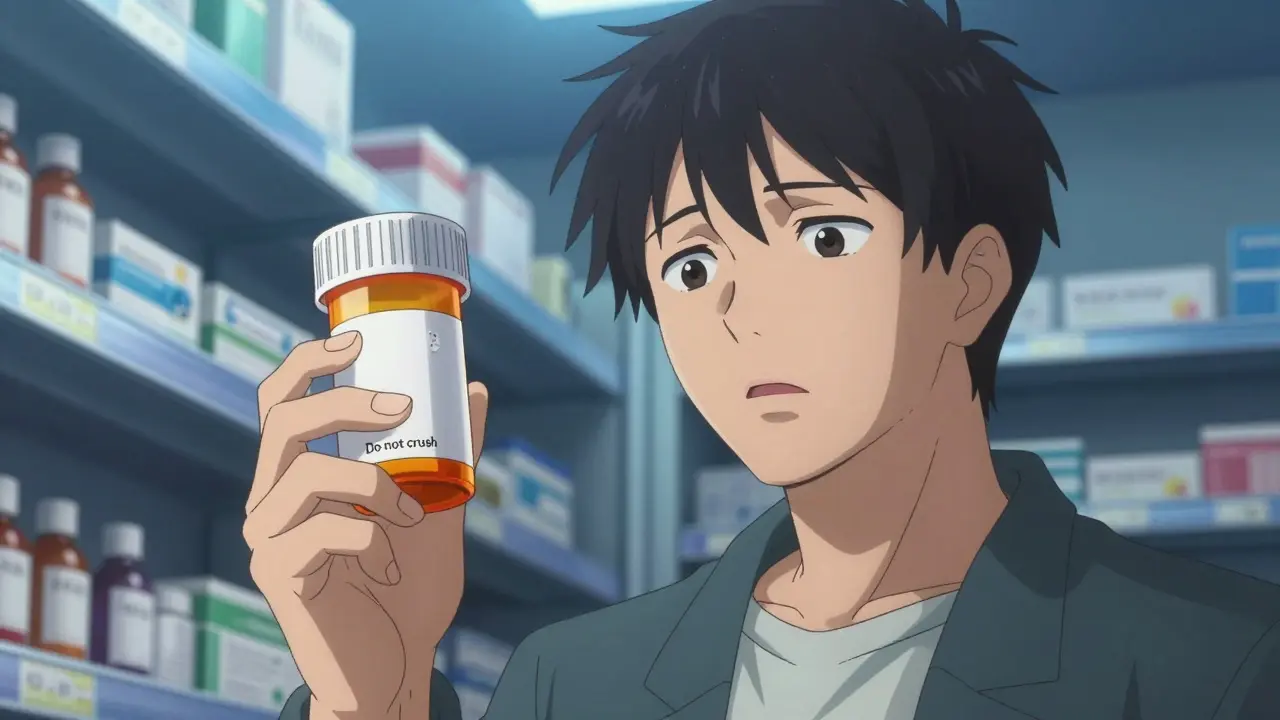
Special instructions on prescription labels guide safe medication use. Learn how to read them, avoid common mistakes, and where to find help. Misunderstandings affect nearly half of patients, leading to serious risks. Discover practical steps to ensure correct usage and stay safe.
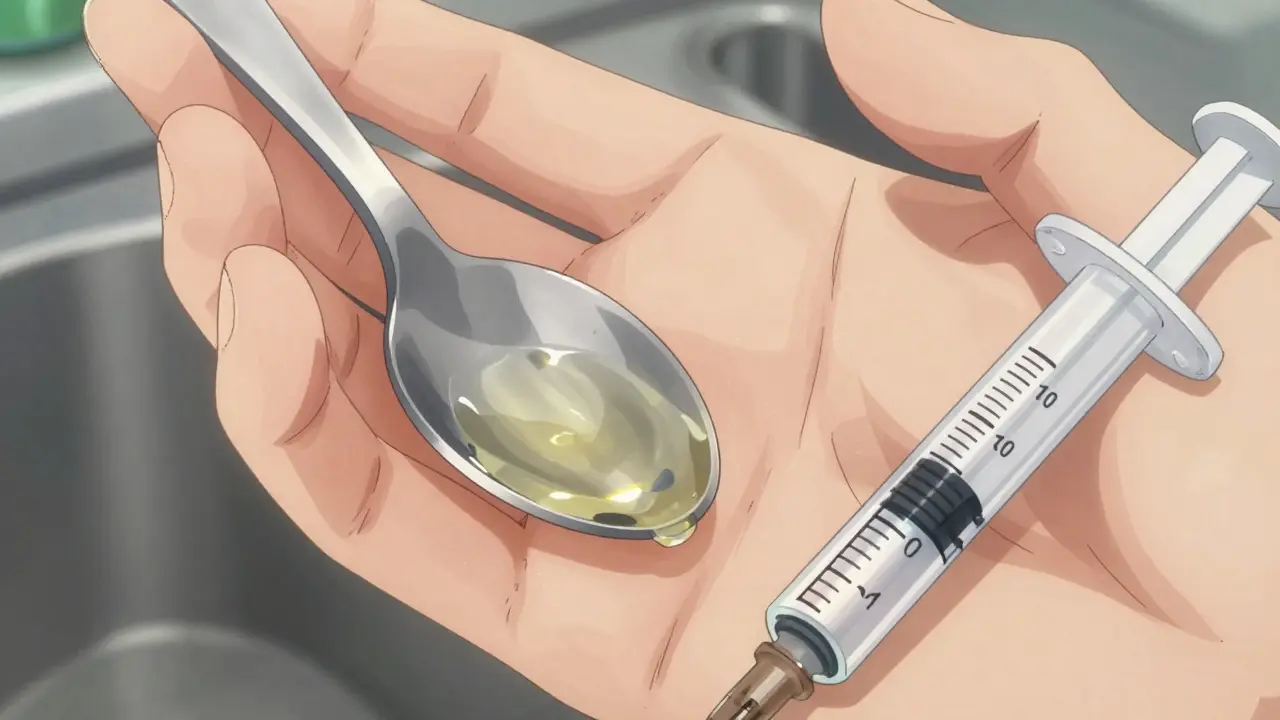
Learn how to accurately read liquid prescription labels to avoid dangerous medication errors. This guide explains metric measurements, common mistakes, and safe dosing practices for parents and caregivers.

Learn the five essential rules for taking medication safely to avoid dangerous errors. From knowing your pills to checking timing and interactions, these practical steps can prevent emergency room visits and keep you healthy.
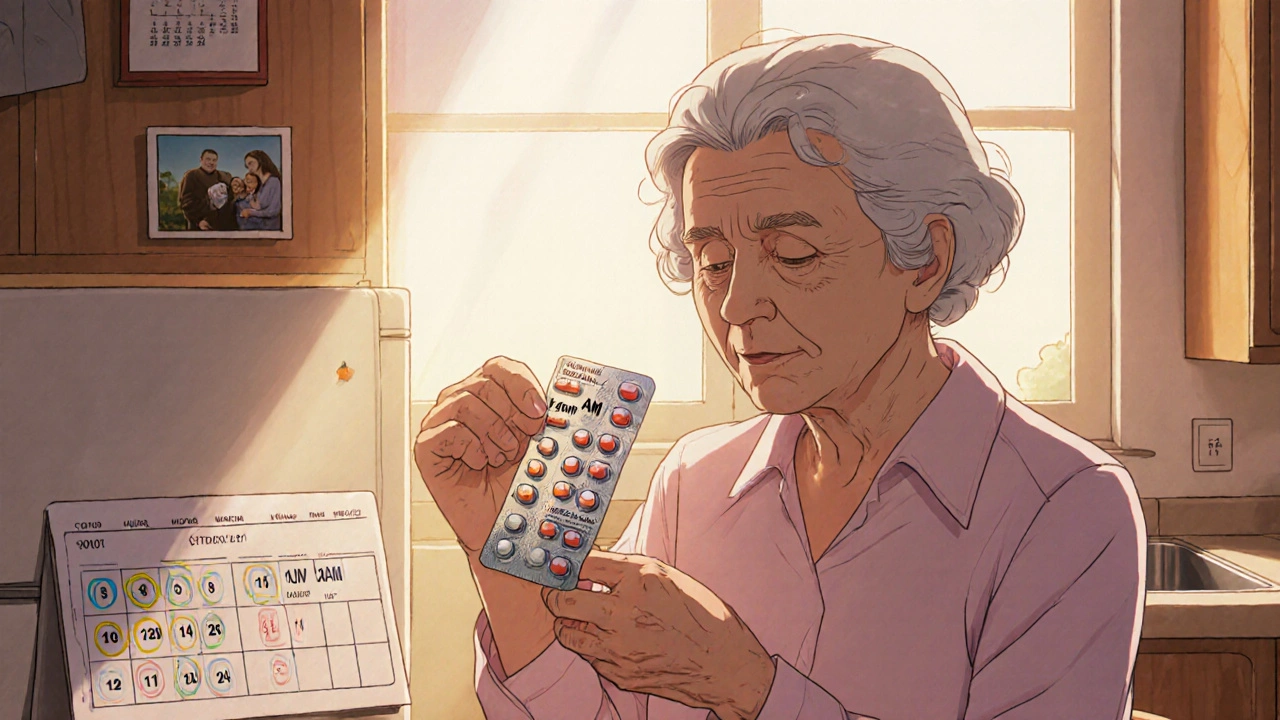
Blister packs and pill organizers help prevent dangerous medication errors by organizing doses clearly and reducing confusion. Learn how each works, which is best for your needs, and how to use them safely to avoid overdose and missed doses.
 Medications