

Every year, over 1.3 million people in the U.S. end up in the emergency room because of medication mistakes. Many of these aren’t caused by doctors or pharmacists-they happen at home. You take a pill, you think you’re doing it right, but a small misstep-wrong time, wrong pill, wrong dose-can turn into a serious problem. The good news? Most of these errors are preventable. You don’t need to be a nurse to keep yourself safe. You just need to follow five clear, proven rules.
Rule 1: Know Exactly What You’re Taking
Don’t assume the pill looks the same as last time. Medications change manufacturers, colors, shapes, and even names. A generic version of your blood pressure pill might look totally different from the brand you used before. That’s normal-but it’s also where mistakes start. Always check the label. Look at the drug name (both brand and generic), the strength (like 10 mg or 500 mcg), and the instructions. If it says “take once daily,” don’t assume that means morning. Some meds work best at night. If you’re unsure, ask your pharmacist. They see hundreds of prescriptions a day and can spot confusing labels before you do. High-alert medications like insulin, warfarin, or opioids are especially dangerous if taken wrong. One wrong dose of insulin can send you into a coma. That’s why it’s critical to verify the name and strength every single time-even if you’ve taken it for years.Rule 2: Take It at the Right Time
Timing matters more than you think. Some medications need to be taken on an empty stomach. Others work best with food. Some must be spaced exactly 12 hours apart. Miss the window, and the drug won’t work right-or worse, it could build up to toxic levels. For time-critical drugs like antibiotics or heart medications, being off by even 30 minutes can reduce effectiveness. Studies show that patients who take their meds within 30 minutes of the scheduled time have significantly better outcomes. If you’re on multiple meds, use a pill organizer with labeled compartments. Or set phone alarms-yes, even if you think you’ll remember. You won’t. Older adults are especially at risk. One in four seniors skips or delays doses because they’re confused about timing. If you’re caring for someone elderly, sit with them during their morning pill routine. Make sure they’re taking the right one, at the right time. Don’t rely on memory.Rule 3: Use Two Identifiers to Confirm It’s You
This rule comes from hospitals, but it works at home too. When you pick up a prescription, the pharmacist should ask for your name and date of birth-not just your last name or address. That’s because names get mixed up. John Smith isn’t the only one. There are thousands. At home, you can apply this by keeping a written list of your meds: name, dose, time, and why you’re taking it. Bring this list to every doctor’s visit. When a new prescription comes in, compare it to your list. If something doesn’t match, stop. Ask questions. Don’t let a busy pharmacist rush you. Look-alike, sound-alike drugs are a silent killer. “Hydralazine” and “hydroxyzine” sound almost the same. One lowers blood pressure. The other treats anxiety. Mix them up, and you could have a medical emergency. Always double-check spelling-out loud if you need to.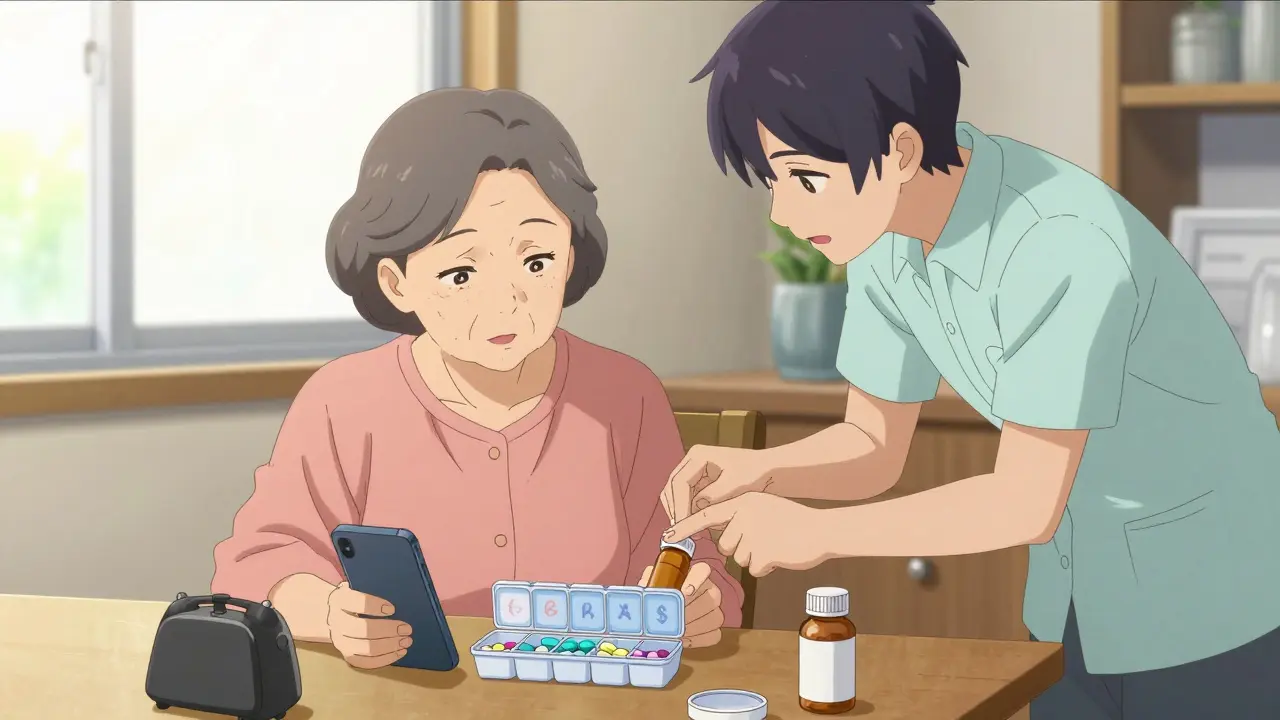
Rule 4: Know the Right Route
A pill is not a shot. A cream is not a drink. Yet people make this mistake all the time. I’ve heard of someone putting eye drops in their ear. Another person swallowed a patch meant to be stuck on the skin. Both ended up in the ER. Always read the instructions for how the medication is meant to be used. Is it oral? Intravenous? Topical? Rectal? If it says “for external use only,” don’t try to swallow it. If it’s a transdermal patch, make sure the skin is clean and dry. Don’t apply heat over it-some patches release too much medicine if warmed. Children are especially vulnerable to route errors. A parent might crush a pill thinking it’s easier for a toddler, but some medications are designed to release slowly. Crushing them can cause an overdose. Always ask before altering the form of any drug.Rule 5: Watch for Side Effects and Interactions
Taking your meds correctly isn’t enough if you don’t know what to watch for. Common side effects like dizziness, nausea, or fatigue might seem minor-but they could signal something serious. For example, if you’re on blood thinners and start bruising easily, that’s not normal. Call your doctor. Drug interactions are another hidden danger. Over-the-counter painkillers like ibuprofen can interfere with blood pressure meds. Grapefruit juice can make cholesterol drugs too strong. Even herbal supplements like St. John’s Wort can cancel out antidepressants. Keep a running list of everything you take: prescriptions, vitamins, supplements, even occasional pain relievers. Bring it to every appointment. Ask your pharmacist: “Could this interact with anything else I’m taking?” They have software that checks hundreds of combinations in seconds. Also, pay attention to your body’s response. Did your pain get better? Did your blood sugar drop? Did your sleep improve? If not, maybe the dose is wrong-or maybe it’s the wrong drug. Don’t wait until your next checkup to speak up.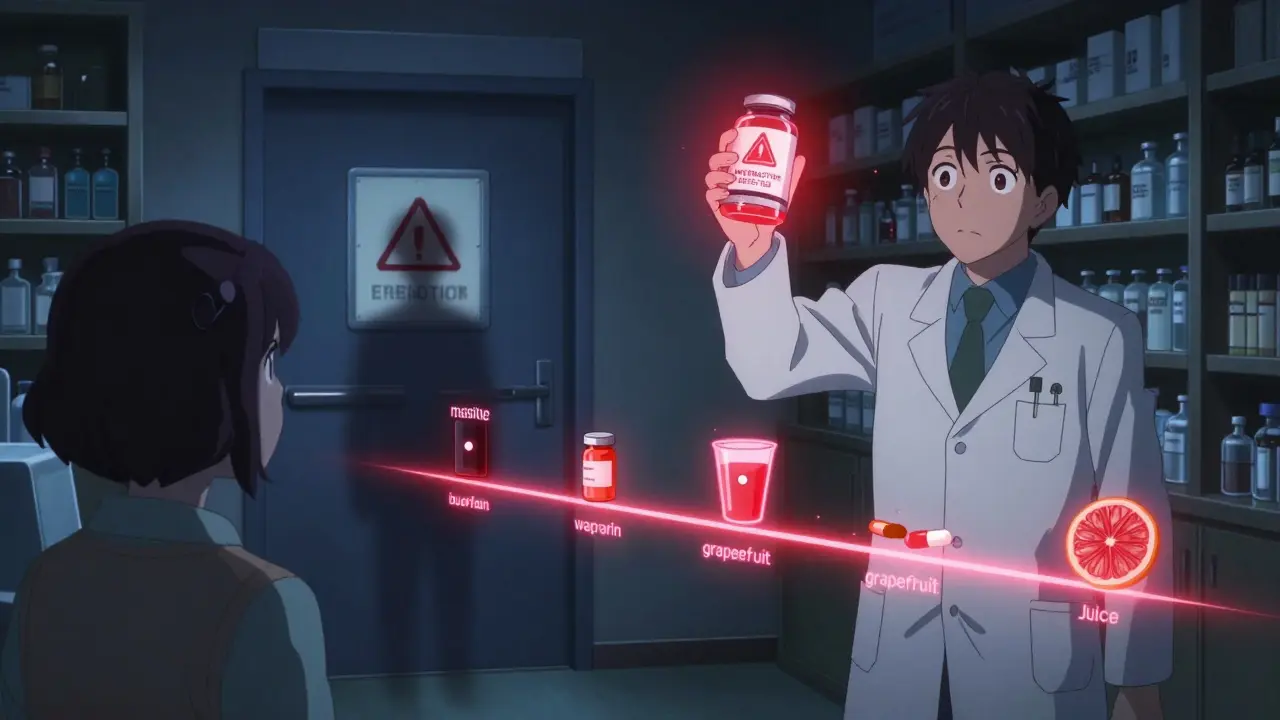
What Else Can You Do?
The five rules above are the foundation. But real safety comes from habits. Use a pill organizer. Set phone reminders. Keep meds in a cool, dry place-not the bathroom. Don’t share pills. Don’t save old antibiotics for next time. And if you’re ever unsure, ask. Pharmacists are your allies. They’re trained to catch errors. Many offer free med reviews-where they go through all your pills with you, one by one. Take advantage of that. It takes 20 minutes and could save your life. And if you’re caring for someone else-elderly parents, kids with chronic illness-don’t assume they understand everything. Explain it in simple terms. Show them the pill. Say what it’s for. Ask them to repeat it back. If they can’t, you haven’t explained it well enough.Final Thought: Safety Isn’t a One-Time Check
Medication safety isn’t something you do once and forget. It’s a daily habit. Your body changes. Your meds change. Your life changes. What worked last year might not work now. That’s why you need to keep checking-every time you pick up a new prescription, every time you refill, every time you feel off. You’re not just following rules. You’re protecting yourself. And that’s worth the extra minute it takes to read the label, ask the question, or double-check the name.What should I do if I miss a dose of my medication?
Don’t double up unless your doctor or pharmacist tells you to. For most meds, if you miss a dose by less than a few hours, take it as soon as you remember. If it’s close to the next dose, skip it and go back to your regular schedule. For time-critical drugs like insulin or antibiotics, call your provider. Never guess-always ask.
Can I crush or split my pills to make them easier to take?
Only if the label says it’s okay. Many pills are designed to release slowly over time. Crushing them can cause a dangerous overdose. Extended-release tablets, capsules, and coated pills should never be broken or crushed. Ask your pharmacist before altering any medication form.
Why do some medications need to be taken with food and others on an empty stomach?
Food can affect how your body absorbs the drug. Some meds need food to reduce stomach upset. Others won’t work if taken with food because it blocks absorption. For example, antibiotics like tetracycline bind to calcium in dairy and become useless. Always follow the label instructions exactly.
How do I know if a medication is expired?
Check the expiration date on the bottle or box. That’s the last day the manufacturer guarantees full potency and safety. After that, the drug may not work as well-or could break down into harmful substances. Never take expired antibiotics, insulin, or heart meds. Dispose of them properly at a pharmacy drop-off.
Are generic medications as safe as brand-name ones?
Yes. Generic drugs contain the same active ingredient, strength, and dosage form as the brand name. The FDA requires them to work the same way. The only differences are in fillers, color, or shape-none of which affect safety or effectiveness. Generics save money without sacrificing quality.
What should I do if I think I’ve taken the wrong medication?
Don’t wait. Call your pharmacist or poison control immediately. In the U.S., that’s 1-800-222-1222. Have the medication bottle handy. Tell them what you took, how much, and when. Even if you feel fine, some reactions take hours to show up. Better safe than sorry.
Can I drink alcohol while taking my meds?
It depends. Alcohol can increase drowsiness with painkillers, raise blood pressure with antidepressants, or cause liver damage with statins. Some meds warn against alcohol outright. When in doubt, assume it’s unsafe. Talk to your doctor or pharmacist before mixing alcohol with any prescription or over-the-counter drug.
How often should I get my medications reviewed?
At least once a year, or anytime you see a new doctor or start a new medication. If you take five or more drugs, ask for a medication review every six months. Pharmacists can spot duplicates, interactions, or outdated prescriptions you might have forgotten about.
 Medications
Pawan Chaudhary
December 16, 2025 AT 13:55Love this post! 🙌 I’ve been using a pill organizer since my dad had that mix-up last year, and it’s been a game-changer. Simple stuff, but it saves lives. Thanks for laying it out so clearly!
Jonathan Morris
December 16, 2025 AT 23:33Let’s be real-this is corporate fluff dressed up as public service. The FDA approves generics with ‘bioequivalence’ that’s often ±20% variance. That’s not safety-that’s calculated risk. And who’s to say the pharmacist isn’t just rushing through 150 scripts an hour? The system is broken, and this article is a Band-Aid on a hemorrhage.
Donna Packard
December 17, 2025 AT 10:19I appreciate how practical this is. I used to forget my meds until I started pairing them with brushing my teeth-now it’s automatic. Small habits, big impact.
Patrick A. Ck. Trip
December 17, 2025 AT 12:16Thank you for sharing this. I’ve been managing my mother’s meds for the past 3 years, and I can’t tell you how many times I’ve caught errors-wrong labels, outdated prescriptions, even a bottle labeled ‘hydroxyzine’ that was actually ‘hydralazine.’ I always double-check with the pharmacist now. It’s not paranoia-it’s protection. I hope more people take this seriously.
Sam Clark
December 19, 2025 AT 06:46This is a well-structured and clinically sound guide. I work in primary care, and I see patients every week who misunderstand their regimens. The emphasis on two identifiers and med reconciliation is especially critical. I encourage all patients to bring a complete list to every visit-even if they think they know what they’re taking.
Chris Van Horn
December 20, 2025 AT 10:03Oh please. You think reading the label is the solution? The pharmaceutical industry deliberately designs pills to look different so you’ll keep buying new bottles. They profit from confusion. And don’t get me started on how they push ‘generic’ versions that aren’t even bioequivalent in real-world use. This isn’t advice-it’s propaganda.
Virginia Seitz
December 22, 2025 AT 03:48So true! 🙏 I give my grandma her pills every morning and she says ‘I know what I’m taking’… but she mixes up the blue one with the white one. Now I use color-coded stickers. 💙⚪ It’s not fancy, but it works. ❤️
amanda s
December 22, 2025 AT 15:24Why are we letting corporations control our health like this? In other countries, pharmacists actually sit down with you and explain everything. Here? You get a slip of paper and a shrug. This is why Americans die from preventable errors-we’ve normalized neglect. Shame on the system.
Peter Ronai
December 24, 2025 AT 10:23Wow. Five rules? That’s it? You missed the real issue: doctors prescribe without checking for polypharmacy. Most seniors are on 8+ meds. And no one ever questions why. This article treats symptoms, not the disease. If you want real safety, stop letting primary care docs act like pharmacists. We need dedicated medication managers. Just saying.
Steven Lavoie
December 26, 2025 AT 02:26I’m a veteran and I’ve been through VA systems where med errors were common. The one thing that saved me was keeping a handwritten log-name, dose, time, reason, and who prescribed it. I carried it everywhere. Even when I was in the hospital, they asked for it. It’s low-tech, but it works. Don’t underestimate the power of a notebook.
Michael Whitaker
December 26, 2025 AT 19:55While your advice is technically correct, it’s deeply naive. You assume people have access to pharmacists, pill organizers, smartphones, or even stable housing. Many can’t afford to refill meds, let alone set alarms. This isn’t about laziness-it’s about systemic inequality. If you want to reduce medication errors, fix the healthcare system. Not just tell people to read the label.