
Hypothyroidism and Conception: What You Need to Know Before Trying to Get Pregnant
When you have hypothyroidism, a condition where the thyroid gland doesn’t make enough hormones to keep your metabolism running properly. It’s not just about feeling tired or gaining weight—it can directly affect your ability to get pregnant. Many women with untreated or poorly managed hypothyroidism struggle with irregular cycles, lack of ovulation, or even early miscarriage. The truth is, your thyroid isn’t just a background player in fertility—it’s a key part of the system that tells your body when to release an egg and how to support a growing baby.
Thyroid hormone levels, especially TSH and free T4, need to be in the right range before you even try to conceive. Studies show that women with TSH above 2.5 mIU/L have a harder time getting pregnant than those with levels in the optimal zone. And once you are pregnant, your body’s demand for thyroid hormone jumps by up to 50%. If you’re already on levothyroxine, your dose often needs to be adjusted early in pregnancy—sometimes within the first few weeks. Skipping checkups or assuming your old dose is still good can put both you and the baby at risk. Thyroid medication, like levothyroxine, is safe during pregnancy and actually critical. It’s not a risk—it’s protection. Not taking it when you need it is far more dangerous than taking it. You’ll also want to watch out for autoimmune thyroid disease, like Hashimoto’s, which is the most common cause of hypothyroidism in women of childbearing age. This condition doesn’t go away when you get pregnant—it just changes how it behaves. Regular blood tests every 4 to 6 weeks in early pregnancy are standard for good reason.
What you won’t find in most brochures is how often women feel fine—until they can’t get pregnant. That’s because hypothyroidism symptoms are sneaky. Fatigue? Stress. Weight gain? Bad diet. Mood swings? Hormones. But when your thyroid is off, your fertility is too. The good news? Getting your levels right before conception boosts your odds dramatically. Most women who manage their thyroid well before and during pregnancy go on to have healthy babies without complications.
Below, you’ll find real-world insights from people who’ve walked this path—how they adjusted meds, what tests they asked for, and what surprises they didn’t see coming. Whether you’re just thinking about trying or already trying, these posts give you the practical, no-fluff details you won’t get from a quick Google search.
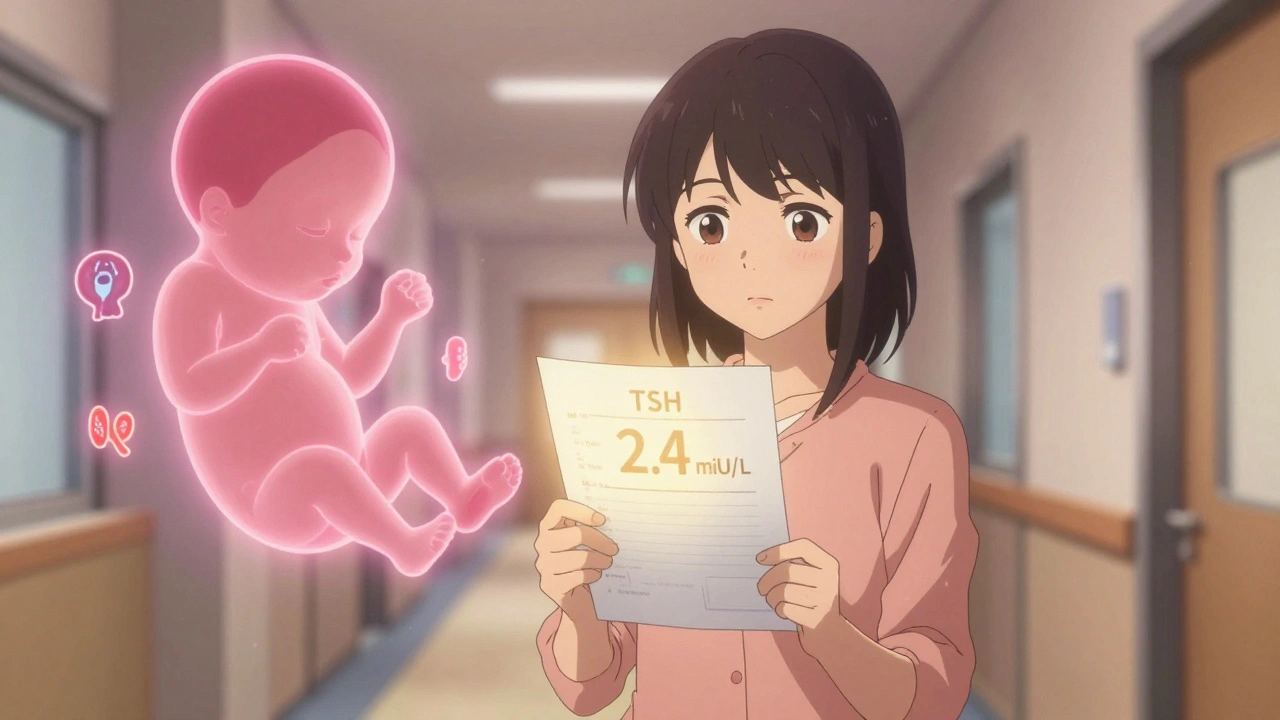
Optimizing TSH levels before conception is critical for fertility and healthy pregnancy. Learn the latest targets, testing protocols, and treatment strategies for thyroid health when trying to conceive.
 Medications