
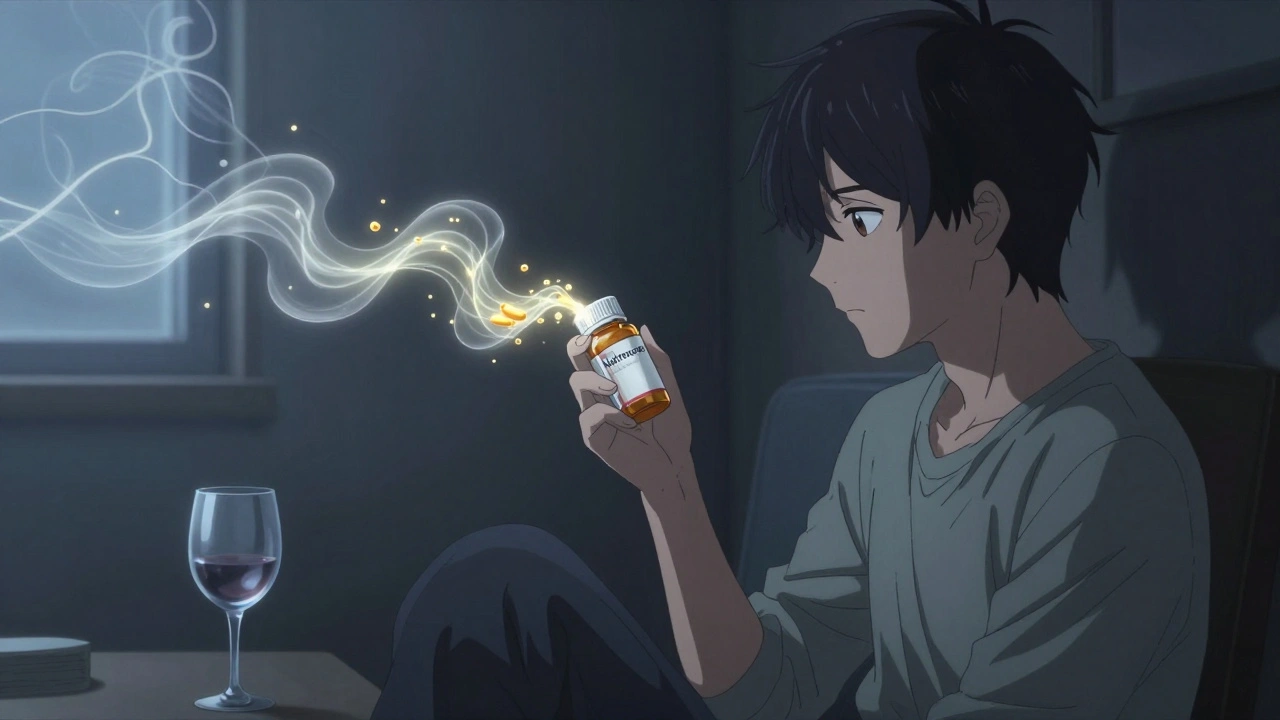
AUD Medication Eligibility Checker
This tool helps you understand which FDA-approved medications for Alcohol Use Disorder (AUD) might be most appropriate for your situation. Based on your answers, it will provide personalized recommendations based on clinical evidence. Remember: this tool is for informational purposes only and should not replace professional medical advice.
When someone with Alcohol Use Disorder (AUD) starts taking medication, they’re not just fighting cravings - they’re fighting biology, habit, and sometimes, their own expectations. The truth is, medications like naltrexone, acamprosate, and disulfiram can cut relapse risk in half for many people. But they don’t work the same for everyone. And if you’re taking them while still drinking - or mixing them with other substances - you could be making things worse.
How These Medications Actually Work
There’s no magic pill for AUD. But there are three FDA-approved drugs that have been tested in thousands of people over decades - and they each do something different.
Naltrexone blocks the opioid receptors in your brain. When you drink, your brain releases feel-good chemicals like endorphins. Naltrexone stops that rush. That means drinking doesn’t feel as rewarding. It doesn’t make you sick. It doesn’t stop you from having a drink - but it takes the punch out of it. In clinical trials, people on naltrexone had fewer heavy drinking days. One study showed they cut heavy drinking by nearly five days a month compared to placebo.
Acamprosate works differently. It doesn’t touch pleasure. It tries to fix what alcohol breaks in your brain after long-term use. Chronic drinking messes with GABA and glutamate - the brain’s main calming and excitation systems. After quitting, those systems go haywire. You feel anxious, restless, on edge. That’s when relapse is most likely. Acamprosate helps stabilize those signals. It’s not for everyone - you need to be sober for at least three to five days before starting it. But if you’re trying to stay completely abstinent, it’s one of the most effective tools you’ve got.
Disulfiram is the old-school option. It makes your body react badly to alcohol. Drink while on disulfiram? You get flushed, nauseous, your heart races, your blood pressure drops. It’s like a biological alarm clock. The problem? You have to be terrified of the reaction to make it work. And if you skip a dose, or forget the rule, you could end up in the ER. It’s effective - but only if you’re highly motivated and have someone holding you accountable.
Who Benefits Most From Each Medication?
Not all AUD is the same. And neither are the meds.
If you’ve had multiple detoxes and still can’t stop drinking entirely, acamprosate might be your best bet. It’s built for people who want total abstinence. Think of it as a brain buffer - it helps you feel normal when you’re not drinking. But if you’re still drinking occasionally, it won’t help. It won’t even work.
If you’re trying to cut back - not quit cold turkey - naltrexone is more flexible. You can still have a drink, but you won’t want to keep going. It’s ideal for people who drink heavily on weekends, or who binge during stress. The extended-release shot, Vivitrol, is great if you struggle with daily pills. One monthly injection keeps you covered. But here’s the catch: it doesn’t stop you from drinking at all. It just makes heavy drinking less appealing.
Disulfiram works best for one kind of person: someone who’s terrified of drinking again and has a strong support system. If you’re living alone, working long hours, or have a history of missing doses - skip it. The side effects - metallic taste, drowsiness, liver strain - are real. And if you accidentally drink, even a sip of wine or mouthwash, you could get sick enough to need emergency care.
The Hidden Danger: Mixing Medications With Alcohol
Here’s what no one tells you: if you’re on any of these drugs and you keep drinking, you’re not just risking relapse - you’re risking organ damage.
Naltrexone is processed by the liver. If you’re still drinking heavily, you’re putting extra stress on a system already worn down by alcohol. Doctors check liver enzymes before starting naltrexone - and they check again every month. If your liver numbers climb, you stop the drug. Simple as that.
Acamprosate is cleared by the kidneys. If you’ve been drinking for years, your kidneys may already be struggling. Dosing needs to be lowered if your creatinine clearance drops below 50 mL/min. Most people don’t know this. They just take the same pills they always did - even after their body changes.
Disulfiram? It’s a ticking time bomb if you drink. The reaction isn’t just unpleasant - it can cause heart rhythm problems, seizures, even death. And it’s not just beer or wine. Hand sanitizer, cough syrup, even some sauces can contain enough alcohol to trigger a reaction.
And then there’s gabapentin - not FDA-approved for AUD, but widely used off-label. It’s safer for people with liver disease because it doesn’t go through the liver at all. It’s cleared by the kidneys. In one study, people with cirrhosis on gabapentin were 37% less likely to have their liver fail. That’s not a small win.

Why Most People Stop Taking These Medications
Only 8.6% of people with AUD in the U.S. ever get prescribed a medication for it. And of those, only 35% are still taking it after three months.
Why?
Cost is a big one. Even generics aren’t cheap. Acamprosate can run $200-$300 a month. Naltrexone pills are $250-$400. The shot? More than $1,000 per dose. Insurance doesn’t always cover it. And if you’re uninsured or underinsured - you’re stuck.
Side effects matter too. Acamprosate causes diarrhea in 10% of people. Naltrexone causes nausea in about 6%. Disulfiram? Nearly a third of people quit because of the metallic taste or drowsiness. And if you’re not feeling better right away - you assume it’s not working.
But here’s the truth: these drugs don’t work like antidepressants. You don’t feel ‘better’ emotionally. You feel less urge. You drink less. You don’t wake up with a hangover three days a week. That’s progress. But if you’re waiting for a mood lift - you’ll be disappointed.
Combining Medications: Does It Help?
The big COMBINE study tested naltrexone and acamprosate together. The result? No extra benefit. Taking both didn’t help more than taking one.
But another study of 250 people found the combination worked better than placebo - and better than acamprosate alone. So what’s going on?
It’s likely about timing and patient selection. If you’re in early recovery and still craving, naltrexone helps. If you’re three months sober and feeling anxious, acamprosate helps. Maybe the right combo isn’t two drugs - it’s the right drug at the right time.
And gabapentin? It’s not a replacement - it’s a complement. For people with severe withdrawal symptoms, it’s been shown to double the chance of staying sober. In one trial, 45% of high-symptom patients stayed abstinent on gabapentin versus 28% on placebo. That’s a big difference.
What’s New in AUD Treatment?
The field is changing fast.
New formulations are coming. A compacted version of acamprosate cuts daily pills from six to two. That’s huge for people juggling jobs, kids, or memory issues.
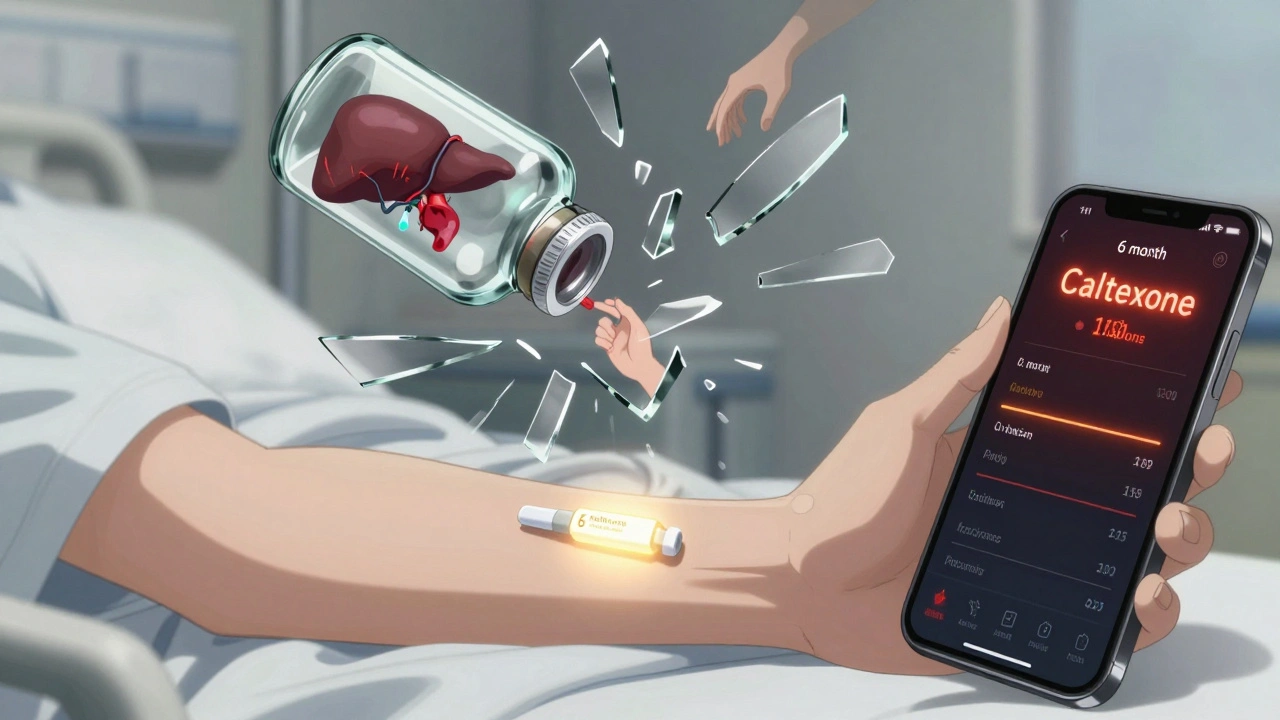
There’s a 6-month naltrexone implant in phase 2 trials. If it works, adherence jumps from 42% to 78%. That’s not a small upgrade - it’s a game-changer.
And then there’s digital tools. One 2023 study paired medication with a smartphone app that tracked cravings and gave real-time coping strategies. People using both had a 33% lower relapse rate. The app didn’t replace the drug - it made the drug more effective.
Even brain scans are being used. Researchers found that the integrity of frontal white matter - visible on an MRI - can predict whether someone will respond to acamprosate. If your brain shows certain patterns, you’re more likely to benefit. That’s precision medicine.
What You Need to Do Now
If you’re taking medication for AUD:
- Don’t drink. Not even a sip. Not even a glass of wine at dinner.
- Know which drug you’re on - and why. Ask your doctor to explain how it works for you.
- Get liver and kidney tests before starting and every few months.
- If you miss a dose, don’t double up. Call your provider.
- Track your drinking. Use an app. Write it down. You won’t believe how often you underestimate it.
- Don’t quit because you feel ‘fine.’ These drugs work best when you’re not drinking - and you won’t always feel like you need them.
If you’re not on medication yet:
- Ask your doctor if you’re a candidate. Don’t assume you’re not.
- Bring up the studies. Mention naltrexone and acamprosate by name.
- Ask about cost. Many clinics have patient assistance programs.
- Consider gabapentin if you have liver damage or severe withdrawal.
- Don’t wait for ‘rock bottom.’ You don’t need to lose your job or family to qualify for help.
Final Reality Check
Medication isn’t a cure. It’s a tool. Like a brace for a sprained ankle - it doesn’t heal you. But it lets you move without making it worse.
The biggest barrier to recovery isn’t willpower. It’s access. It’s stigma. It’s doctors who don’t know how to prescribe these drugs. Only 28% of primary care doctors feel trained to treat AUD.
You don’t need to be perfect. You don’t need to quit cold turkey tomorrow. But if you’re serious about staying sober - you owe it to yourself to ask about medication. Not as a last resort. Not as a backup. As a real part of your plan.
Because relapse isn’t a failure. It’s a signal. And sometimes, the signal is telling you: you need more than willpower. You need science.
Can I drink alcohol while taking naltrexone?
You can - but you shouldn’t. Naltrexone doesn’t stop you from drinking, but it reduces the pleasurable effects. If you drink while on it, you’re still exposing your liver to alcohol damage. Plus, drinking defeats the purpose of the medication. The goal is to reduce heavy drinking - not to find ways to drink safely while medicated.
How long should I take these medications?
Most studies show benefits last up to a year. But AUD is often a chronic condition. Many people stay on medication for 2-3 years or longer. There’s no fixed timeline. The decision should be based on your progress, cravings, and stability - not a calendar. If you’ve been sober for 18 months with no urges, you and your doctor can consider tapering. If you still feel the pull - keep going.
Is gabapentin approved for alcohol use disorder?
No, gabapentin isn’t FDA-approved for AUD. But it’s commonly prescribed off-label - especially for people with liver disease or severe withdrawal symptoms. Studies show it helps reduce cravings and prevents relapse in high-symptom patients. It’s safer than disulfiram and easier on the liver than naltrexone. Many addiction specialists consider it a first-line option for certain patients.
Why is disulfiram not recommended for everyone?
Disulfiram causes a dangerous reaction if alcohol is consumed - flushing, vomiting, low blood pressure, even heart attack. It requires total avoidance of alcohol - including in mouthwash, sauces, and hand sanitizer. Compliance is low because the side effects are unpleasant even without drinking. It’s only suitable for highly motivated patients with strong support systems. For most people, the risks outweigh the benefits.
Can I take these medications if I have liver disease?
Naltrexone is risky if you have active liver disease - it’s metabolized by the liver. Acamprosate is safer for the liver but requires kidney function checks. Disulfiram should be avoided entirely if you have cirrhosis. Gabapentin is often the best choice in liver disease because it’s cleared by the kidneys, not the liver. Always get liver enzyme tests before starting any medication and monitor regularly.
Do these medications help with anxiety or depression?
Not directly. Acamprosate may reduce anxiety caused by brain imbalance after quitting alcohol, but it’s not an antidepressant. Naltrexone doesn’t affect mood. If you have co-occurring anxiety or depression, you need separate treatment - therapy, SSRIs, or other medications. Treating AUD without addressing mental health is like treating a broken leg with painkillers - it masks the problem, but doesn’t fix it.
If you’re struggling with alcohol and feel like you’re running out of options - you’re not alone. The science is clear: medication works. But only if you use it right. Talk to your doctor. Ask questions. Don’t settle for silence. Your brain is worth more than a quick fix.
 Medications
Jennifer Anderson
December 8, 2025 AT 10:22Sadie Nastor
December 10, 2025 AT 09:47Kyle Flores
December 10, 2025 AT 11:34Ryan Sullivan
December 12, 2025 AT 09:33Wesley Phillips
December 14, 2025 AT 05:26Olivia Hand
December 15, 2025 AT 16:41Desmond Khoo
December 16, 2025 AT 02:16Nancy Carlsen
December 17, 2025 AT 17:15Ted Rosenwasser
December 18, 2025 AT 15:39Helen Maples
December 18, 2025 AT 18:03Ashley Farmer
December 18, 2025 AT 19:46David Brooks
December 19, 2025 AT 15:31