
TSH before pregnancy: What you need to know for a healthy start
When planning a pregnancy, TSH, thyroid-stimulating hormone, a key regulator of thyroid function that affects metabolism, energy, and fetal brain development. Also known as thyroid stimulating hormone, it’s one of the first tests your doctor should check before you conceive. Most women focus on folic acid, weight, or ovulation—but TSH? It’s often overlooked. Yet, even mild thyroid imbalances can reduce fertility, increase miscarriage risk, and impact your baby’s brain development in the first trimester, before the fetus even makes its own thyroid hormones.
Thyroid function isn’t just about feeling tired or gaining weight. During pregnancy, your body’s demand for thyroid hormone rises by 30% to 50%. If your TSH is above 2.5 mIU/L before conception—especially if you have a history of thyroid issues, autoimmune disease, or family history of thyroid disorders—you could be at higher risk. The American Thyroid Association recommends screening TSH before pregnancy for women with risk factors, and many experts now say TSH before pregnancy should be checked for everyone planning to conceive. Low TSH (hyperthyroidism) can cause preterm birth and low birth weight. High TSH (hypothyroidism) may lead to developmental delays in the child. Both are treatable, but only if caught early.
It’s not just about the number. Your doctor should also check free T4 and thyroid antibodies (like TPOAb), because autoimmune thyroid disease—Hashimoto’s—is the most common cause of high TSH in women of childbearing age. If you’re already on levothyroxine, your dose often needs adjustment before pregnancy. Many women need 20-30% more medication once pregnant, so stabilizing your levels ahead of time saves stress and risk later. Even if you feel fine, normal TSH doesn’t always mean optimal for pregnancy. The goal isn’t just "normal"—it’s "pregnancy-optimized."
And it’s not just about the mother. The baby’s brain depends on your thyroid hormone in the first 12 weeks. No other organ in the developing fetus is as sensitive to maternal hormone levels. That’s why some clinics now test TSH as part of their preconception checklist—right alongside blood type and STI screens. If you’ve had a previous pregnancy with complications, unexplained infertility, or a history of miscarriage, getting your TSH checked isn’t optional. It’s a simple blood test with big consequences.
Below, you’ll find real-world insights from women who’ve navigated thyroid issues before and during pregnancy, plus clear guides on what tests to ask for, how to interpret results, and how to work with your doctor to get your levels just right. No guesswork. No fluff. Just what works.
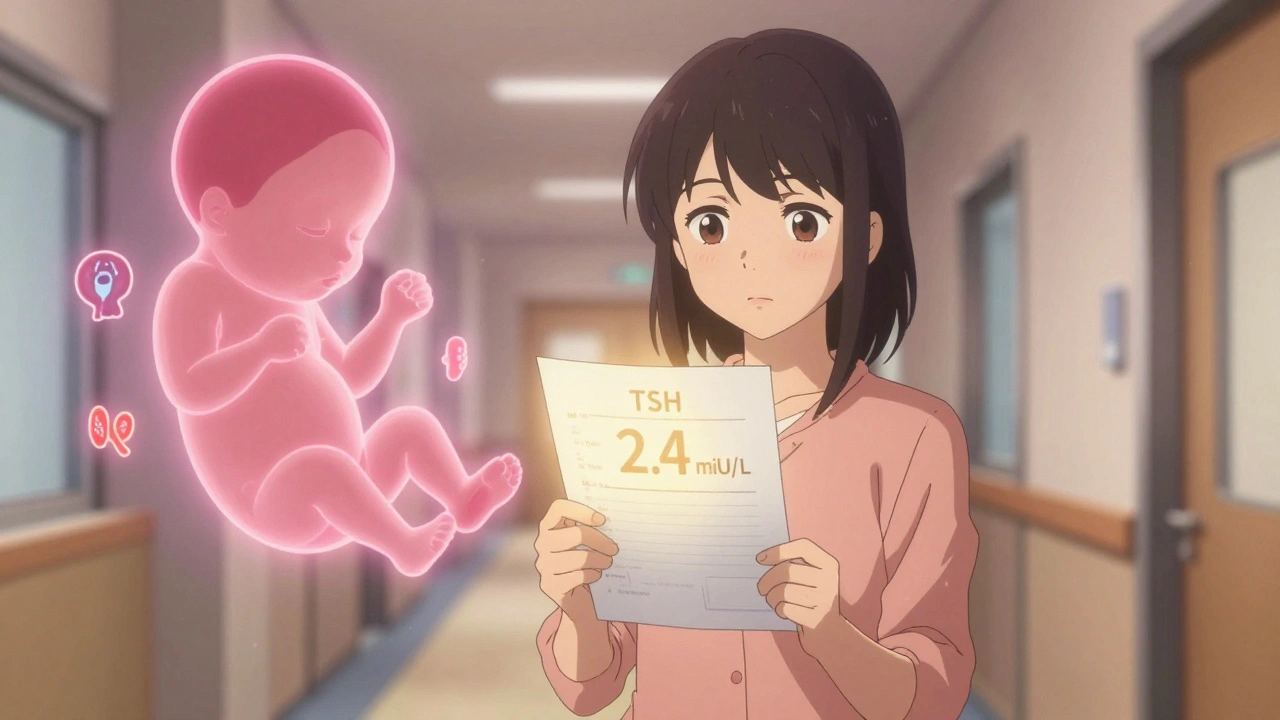
Optimizing TSH levels before conception is critical for fertility and healthy pregnancy. Learn the latest targets, testing protocols, and treatment strategies for thyroid health when trying to conceive.
 Medications