
Naltrexone: Uses, Benefits, and What You Need to Know
When you hear naltrexone, a medication used to treat alcohol and opioid dependence by blocking the effects of these substances in the brain. Also known as Vivitrol when given as a monthly injection, it doesn’t get you high, doesn’t cause dependence, and helps people stay off drugs or alcohol by removing the reward they expect. Unlike methadone or buprenorphine, which activate opioid receptors, naltrexone simply blocks them—like putting a lock on a door so opioids can’t get in. That’s why it’s used after someone has fully detoxed, not during withdrawal.
It’s not just for opioids. alcohol dependence, a chronic condition where drinking becomes hard to control despite negative consequences is another major use. People taking naltrexone still feel the social effects of alcohol—like relaxation or reduced inhibition—but the intense pleasure, the craving trigger, the urge to keep drinking? That’s gone. Studies show it cuts heavy drinking days by about 30% in those who stick with it. And for those who’ve had an opioid overdose, naltrexone can be a lifeline. It doesn’t reverse the overdose like naloxone, but after recovery, it helps prevent the next one by reducing the desire to use again.
The real power of naltrexone isn’t magic—it’s consistency. It works best when paired with counseling, support groups, or lifestyle changes. It doesn’t fix trauma, stress, or mental health issues, but it removes the chemical pull that makes those problems harder to manage. Many people start with the daily pill, but the monthly shot (Vivitrol) removes the daily decision, which helps those who struggle with adherence. It’s also used off-label for gambling, binge eating, and even some autoimmune conditions, though evidence is still growing.
Side effects? Mostly mild—nausea, headache, tiredness—but they usually fade. The big warning: never take naltrexone if you’re still using opioids. It can trigger sudden, severe withdrawal. And if you relapse and try to overcome the block by taking a huge dose of opioids, you’re at extreme risk of overdose because your tolerance is gone. That’s why it’s not a standalone fix—it’s a tool, and tools need skilled use.
What you’ll find in the articles below is how naltrexone fits into real-world care: from pharmacy sourcing rules that keep it safe and legal, to how it interacts with other meds, why some people switch between brands and generics, and how digital tools help people stay on track. You’ll also see how it connects to broader topics like medication safety, opioid policy, and adherence challenges. This isn’t just about one drug—it’s about how we support recovery in a system that’s often broken.
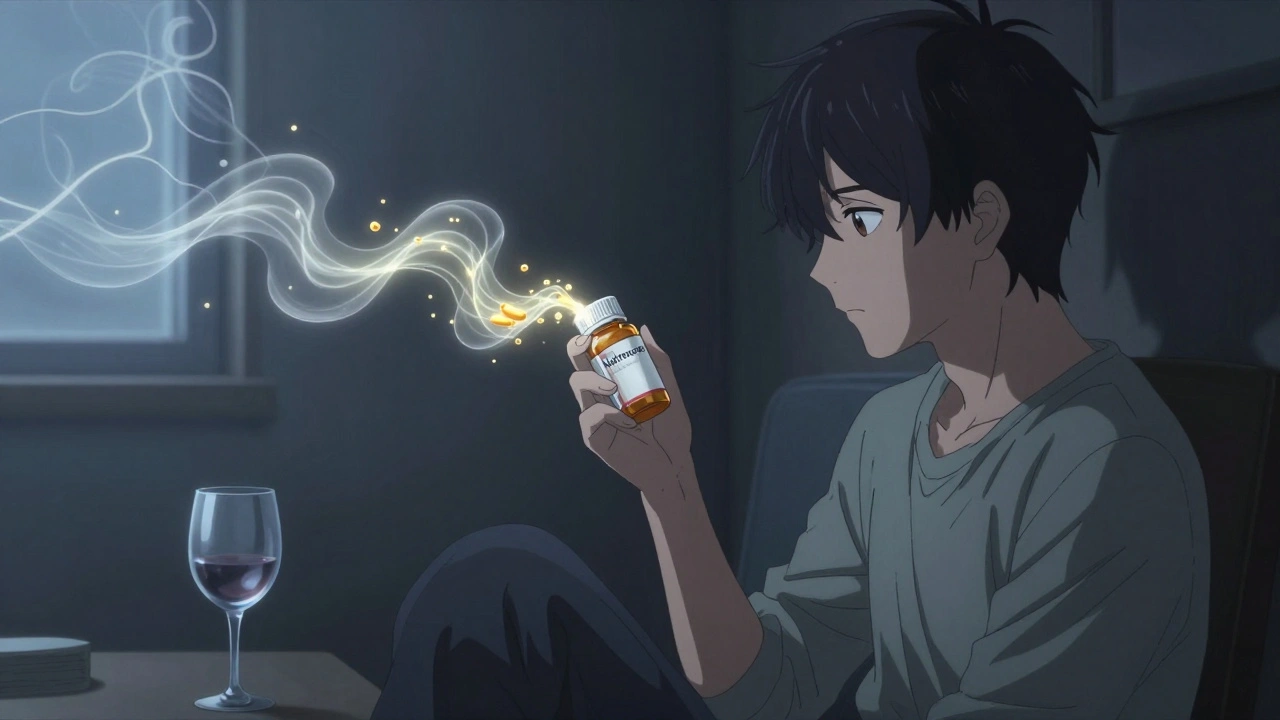
Medications like naltrexone, acamprosate, and disulfiram can reduce relapse risk in Alcohol Use Disorder - but only if used correctly. Learn how each works, who benefits most, and why most people stop taking them.
 Medications