
Drowsiness: Common Causes, Medications That Cause It, and How to Manage It
When you feel unusually sleepy after taking a pill, it’s not just in your head—drowsiness, a state of reduced alertness and increased sleepiness often triggered by medications or underlying health conditions is a real, measurable side effect. It’s not always harmless. That afternoon nap after your allergy pill? It might be stopping you from driving safely or focusing at work. Drowsiness isn’t just tiredness—it’s a drug-induced change in brain activity, and it’s more common than most people realize.
Many of the medications you take daily can cause this. antihistamines, drugs used to treat allergies that cross the blood-brain barrier and suppress alertness like cetirizine and diphenhydramine are classic culprits. Even the newer versions, like levocetirizine, can still make you sleepy—just less often. Then there are benzodiazepines, sedatives prescribed for anxiety and insomnia that slow down brain signals, which are especially risky for older adults. Beta-blockers, certain antidepressants, pain meds like opioids, and even some blood pressure pills can leave you feeling foggy. It’s not always the drug itself—it’s how your body processes it, what else you’re taking, or how old you are.
Why does this matter? Because drowsiness doesn’t just annoy you—it increases your risk of falls, car crashes, and mistakes at work. One study found that people on sedating antihistamines were twice as likely to have a traffic accident. And if you’re over 65, the risks climb even higher. The good news? You don’t have to live with it. Switching to a non-sedating option, adjusting your dose, or timing your meds differently can make a big difference. Sometimes, the fix is as simple as taking your pill at night instead of in the morning.
What you’ll find below is a collection of real, practical guides that break down exactly which medications cause drowsiness, why they do it, and what alternatives actually work without knocking you out. From comparing cetirizine and levocetirizine to understanding why benzodiazepines are being phased out for seniors, these posts give you the facts—not marketing. No fluff. Just clear, usable info to help you stay alert, safe, and in control of your health.
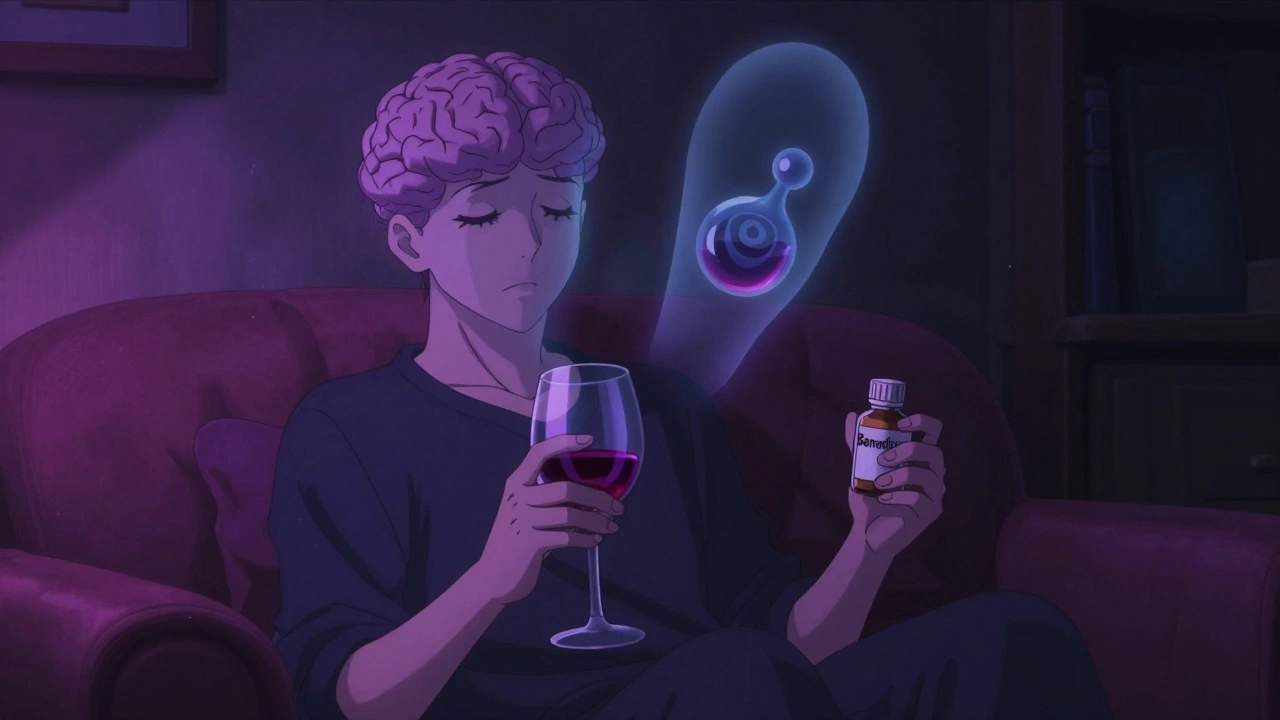
Mixing antihistamines and alcohol can cause extreme drowsiness, impaired driving, and even breathing problems. Learn why even "non-drowsy" options aren't safe and what to use instead.

First-generation antihistamines like Benadryl cause severe drowsiness and anticholinergic side effects that last longer than most realize. Learn why they're risky for daily use and what safer alternatives exist.
 Medications