
Chemotherapy: What It Is, How It Works, and What You Need to Know
When doctors talk about chemotherapy, a treatment that uses powerful drugs to destroy cancer cells. It's not a single drug—it's a whole family of medications designed to target rapidly dividing cells, whether they're cancerous or not. You might hear it called "chemo" for short. It's one of the oldest and most widely used tools in cancer care, often used alongside surgery, radiation, or newer treatments like immunotherapy.
Not all chemotherapy is the same. Some drugs, like doxorubicin, a common chemotherapy agent used for breast cancer and lymphoma, attack cells by damaging their DNA. Others, like paclitaxel, a plant-based drug that stops cancer cells from dividing, work by freezing the cell’s internal skeleton. Then there are drugs like 5-fluorouracil, a synthetic version of a building block used in DNA, that trick cells into using a faulty piece and then dying. Each one has different side effects, dosing schedules, and uses. Some are given as pills, others through IV, and some are even injected directly into body cavities.
Chemotherapy doesn’t just target cancer. It hits any fast-growing cell in your body—hair follicles, the lining of your mouth, your bone marrow. That’s why side effects like hair loss, nausea, low blood counts, and fatigue are common. But not everyone gets them the same way. Some people feel fine after a treatment, others need days to recover. Newer approaches like desensitization protocols, used when patients have severe allergic reactions to chemo drugs, help more people safely receive treatment. And while chemo can be tough, it’s often the difference between living months and living years—or even curing the disease.
What you’ll find in these posts isn’t just a list of drugs. It’s real-world insight into how chemotherapy fits into the bigger picture of cancer care. You’ll see how it connects to drug safety, how side effects are managed, and how patients navigate treatment with the help of tools like pill organizers or allergy protocols. Some posts dig into why certain chemo drugs are chosen over others. Others explain how patients deal with the physical and emotional toll. There’s no sugarcoating here—just clear, practical information for people who need to understand what’s happening, why, and what comes next.
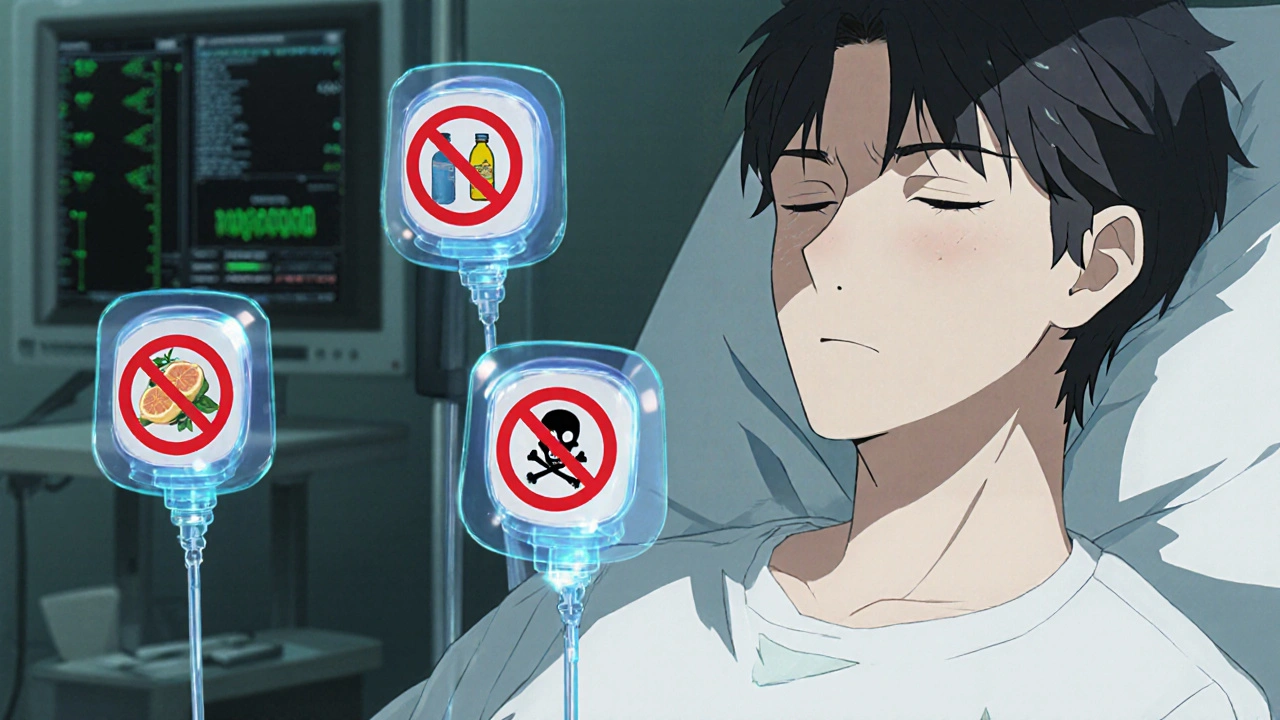
Chemotherapy remains a cornerstone of cancer treatment, but drug interactions can be dangerous. Learn how common medications, supplements, and even food can affect chemo safety and effectiveness.
 Medications