
Cancer Treatment: What Works, What Doesn’t, and What You Need to Know
When we talk about cancer treatment, the medical strategies used to destroy or control cancer cells in the body. Also known as oncology therapy, it includes everything from surgery and radiation to drugs that target specific cell behaviors. It’s not one thing—it’s a collection of tools, each with its own risks, benefits, and best uses. And unlike what you might see in movies, modern cancer treatment isn’t about one magic bullet. It’s about matching the right mix of therapies to the right person at the right time.
One of the biggest shifts in the last 15 years has been the move away from broad, toxic treatments like chemotherapy, drugs that kill fast-growing cells, both cancerous and healthy. Also known as cytotoxic therapy, it’s still used—but often as part of a combo, not the whole plan. Today, doctors look at the tumor’s DNA first. If it has a mutation like BRAF or EGFR, they might reach for a targeted therapy, a drug designed to block a specific protein driving cancer growth. Also known as precision medicine, it’s less damaging to healthy tissue and often more effective. For others, especially melanoma or lung cancer, immunotherapy, a treatment that helps the body’s own immune system find and kill cancer cells. Also known as checkpoint inhibitors, it can lead to long-term remission in people who once had no hope. And then there’s radiation therapy, high-energy beams that destroy cancer cells in a specific area. Also known as radiotherapy, it’s still the go-to for localized tumors, especially when surgery isn’t an option. Each of these has different side effects, costs, and success rates—and none works for everyone.
What you won’t find in most headlines is how often treatment decisions are shaped by things like age, other health problems, or even insurance coverage. A 70-year-old with heart disease might skip a harsh chemo combo, even if it’s listed as "standard." A young patient might choose a more aggressive path because they can tolerate it. And sometimes, the best treatment is no treatment at all—watchful waiting, lifestyle changes, or managing symptoms instead of chasing cure. The posts below dig into real-world cases: why some drugs fail, how side effects are managed, what new options are emerging, and how patients actually experience these treatments day to day. You’ll read about drug interactions, alternatives to harsh regimens, and what to ask your doctor when a new option is offered. This isn’t theory. It’s what’s happening in clinics right now.
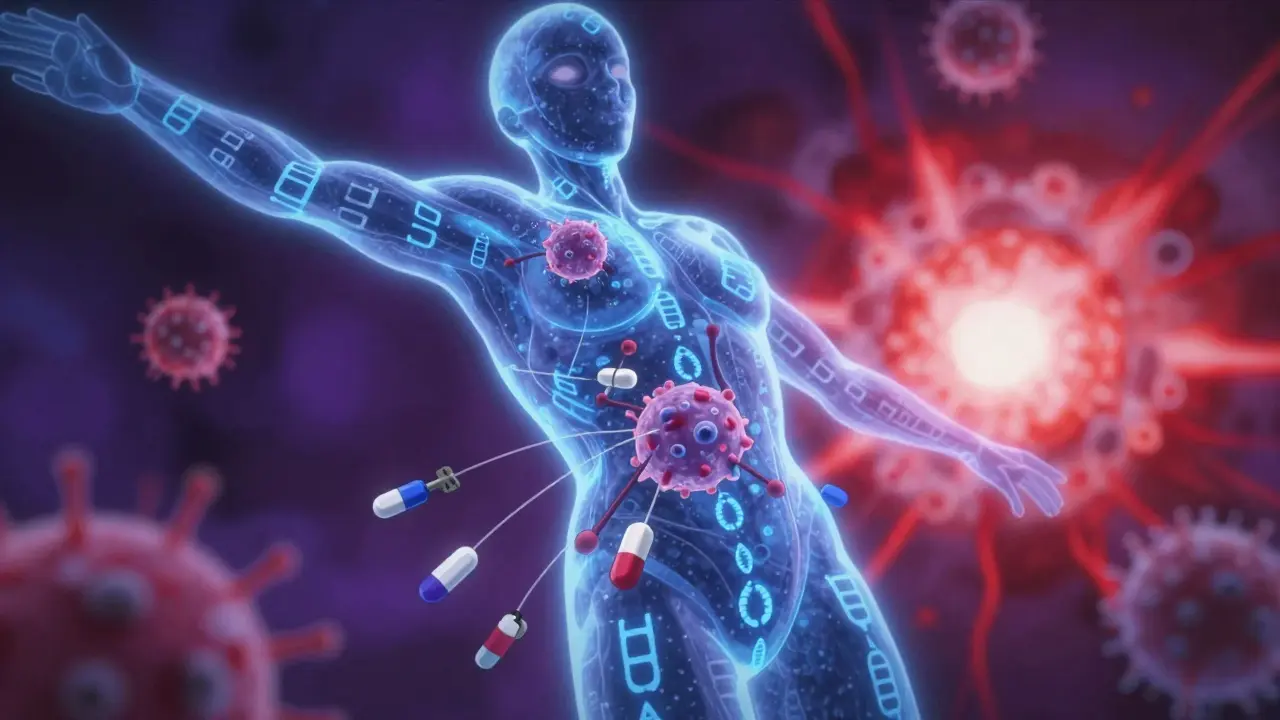
Targeted therapy uses tumor genetics to treat cancer with precision drugs that block specific mutations, offering better outcomes and fewer side effects than chemotherapy. Learn how it works, who benefits, and the real barriers to access.
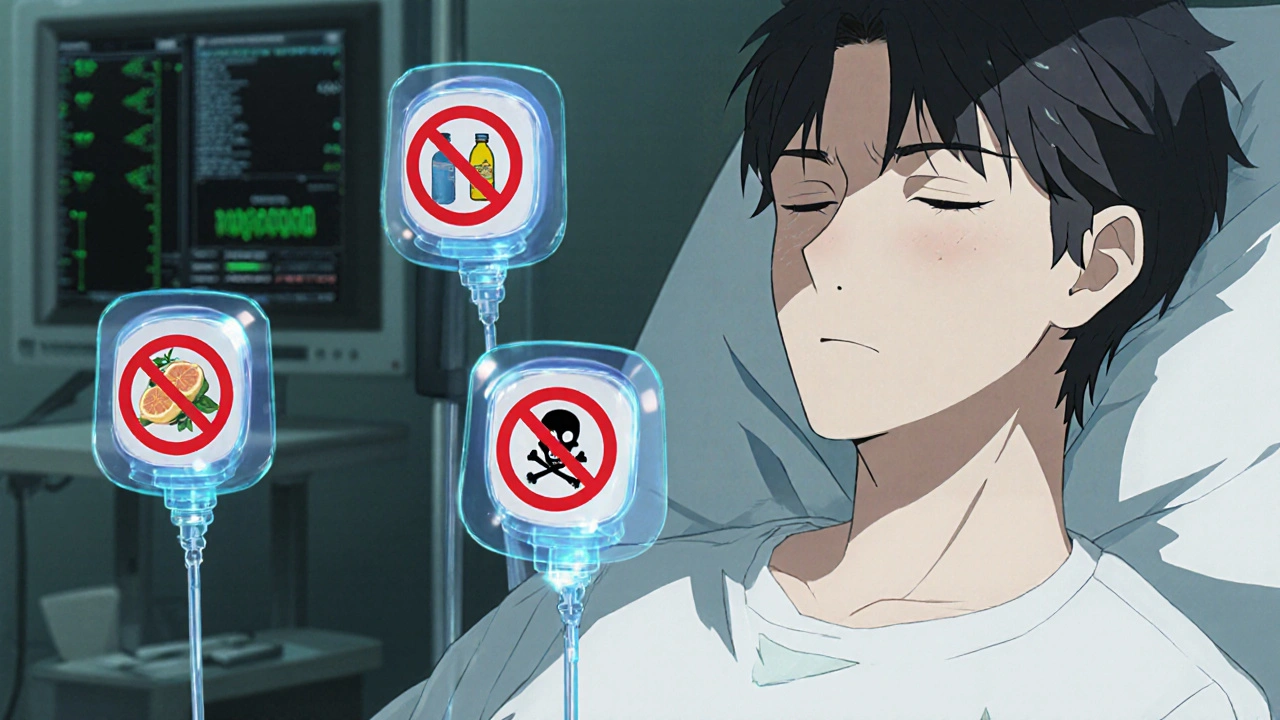
Chemotherapy remains a cornerstone of cancer treatment, but drug interactions can be dangerous. Learn how common medications, supplements, and even food can affect chemo safety and effectiveness.
 Medications