
Beers Criteria: What Seniors Need to Know About Unsafe Medications
When you’re over 65, some medications that work fine for younger people can become dangerous. The Beers Criteria, a widely used list of potentially inappropriate medications for older adults. Also known as Beers List, it’s updated every few years by experts to help doctors and patients avoid drugs that increase the risk of falls, confusion, kidney damage, and even death in seniors. This isn’t about avoiding all meds—it’s about knowing which ones carry hidden risks that aren’t obvious at first glance.
Many common drugs still prescribed to older adults fall under the Beers Criteria. For example, first-generation antihistamines, like diphenhydramine found in Benadryl are on the list because they cause severe drowsiness and block acetylcholine, leading to memory problems and dry mouth. The same goes for certain benzodiazepines, like diazepam or lorazepam, used for anxiety or sleep. These drugs build up in the body as kidneys slow down with age, making dizziness and confusion worse. Even some NSAIDs, like ibuprofen or naproxen, commonly taken for arthritis pain can cause stomach bleeds or kidney failure in older adults. These aren’t just side effects—they’re predictable, preventable dangers.
What makes the Beers Criteria so useful is that it doesn’t just say "avoid this drug." It tells you why, and often suggests safer alternatives. For instance, instead of diphenhydramine for allergies or sleep, levocetirizine or loratadine are better choices with far less drowsiness. For sleep issues, non-drug strategies like sleep hygiene or melatonin (under a doctor’s watch) are often more effective than benzodiazepines. The list also flags combinations that are especially risky—like taking multiple anticholinergic drugs at once, which can multiply side effects. This is why polypharmacy—taking five or more medications—is one of the biggest red flags for seniors. It’s not the number alone, but which drugs are in the mix.
You won’t find the Beers Criteria in every doctor’s office, but it’s used in hospitals, nursing homes, and by pharmacists reviewing prescriptions. If you or a loved one is on multiple meds, ask: "Are any of these on the Beers List?" You’ll be surprised how often a simple switch—like swapping an old-school painkiller for acetaminophen, or replacing a sedating antihistamine with a non-drowsy one—can make life safer and clearer. The posts below dive into specific drugs flagged by the Beers Criteria, like why certain beta-blockers or diabetes pills need extra caution in seniors, and how to spot hidden risks in everyday pills. You’ll find real comparisons, practical tips, and clear alternatives—not just warnings, but ways to take control.
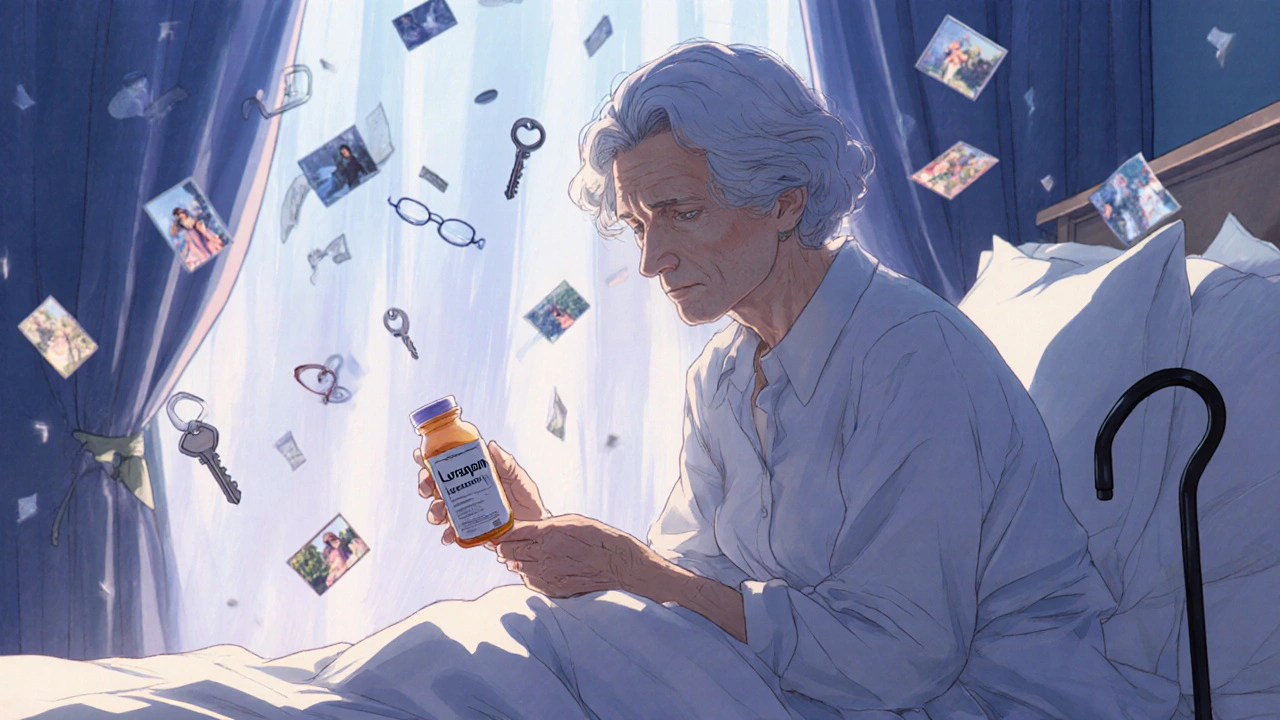
Benzodiazepines pose serious risks for seniors, including falls, memory loss, and dementia. Safer alternatives like CBT-I, SSRIs, and melatonin agonists offer effective relief without the dangers. Learn why experts now recommend avoiding these drugs in older adults.
 Medications