
API Manufacturing: What It Is and Why It Matters in Modern Medicine
When you take a pill for high blood pressure, an antibiotic, or even a daily vitamin, the real power comes from the active pharmaceutical ingredient, the specific chemical compound that produces the intended therapeutic effect in the body. Also known as API, this is the core component that makes medicine work—everything else is just filler, coating, or packaging. Without API manufacturing, there would be no pills, injections, or inhalers. It’s not glamorous, but it’s the invisible foundation of every drug on the shelf.
API manufacturing isn’t just mixing powders in a lab. It’s a highly controlled, multi-step process that starts with raw chemicals and ends with pure, consistent active ingredients. These APIs are made in specialized facilities that follow strict rules—like those from the FDA or EMA—to ensure every batch is safe, potent, and identical. One small mistake in temperature, timing, or purification can turn a life-saving drug into a dangerous one. That’s why quality control is non-negotiable. Even generic drugs, which cost less, must contain the exact same API as the brand-name version. The difference isn’t in the active ingredient—it’s in the brand name and price tag.
APIs don’t just appear out of nowhere. They’re made in countries like India and China, where large-scale production keeps costs down, but also in the U.S. and Europe, where tighter regulations govern safety. The global supply chain for APIs is fragile. A single factory shutdown, natural disaster, or trade restriction can cause drug shortages. That’s why some hospitals and governments are pushing to bring more API production back home. It’s not just about money—it’s about having reliable access to the medicines people need.
What you’ll find in this collection are real-world stories about how APIs connect to your health. You’ll read about how certain antibiotics trigger dangerous infections, why some diabetes drugs carry hidden risks, and how storage mistakes can lead to drug diversion. These aren’t abstract topics—they’re direct results of how APIs are made, handled, and used. Whether it’s a generic version of a heart medication, a chemotherapy agent, or a simple antihistamine, the quality and consistency of the API shape every outcome. You’re not just taking a pill—you’re taking the result of a complex, high-stakes process. Understanding that helps you ask better questions, spot red flags, and make smarter choices about your health.

Chinese manufacturers supply 80% of the world's generic drug ingredients, but quality concerns persist. Learn how manufacturing gaps, FDA warnings, and supply chain risks affect patient safety-and what’s being done to fix it.
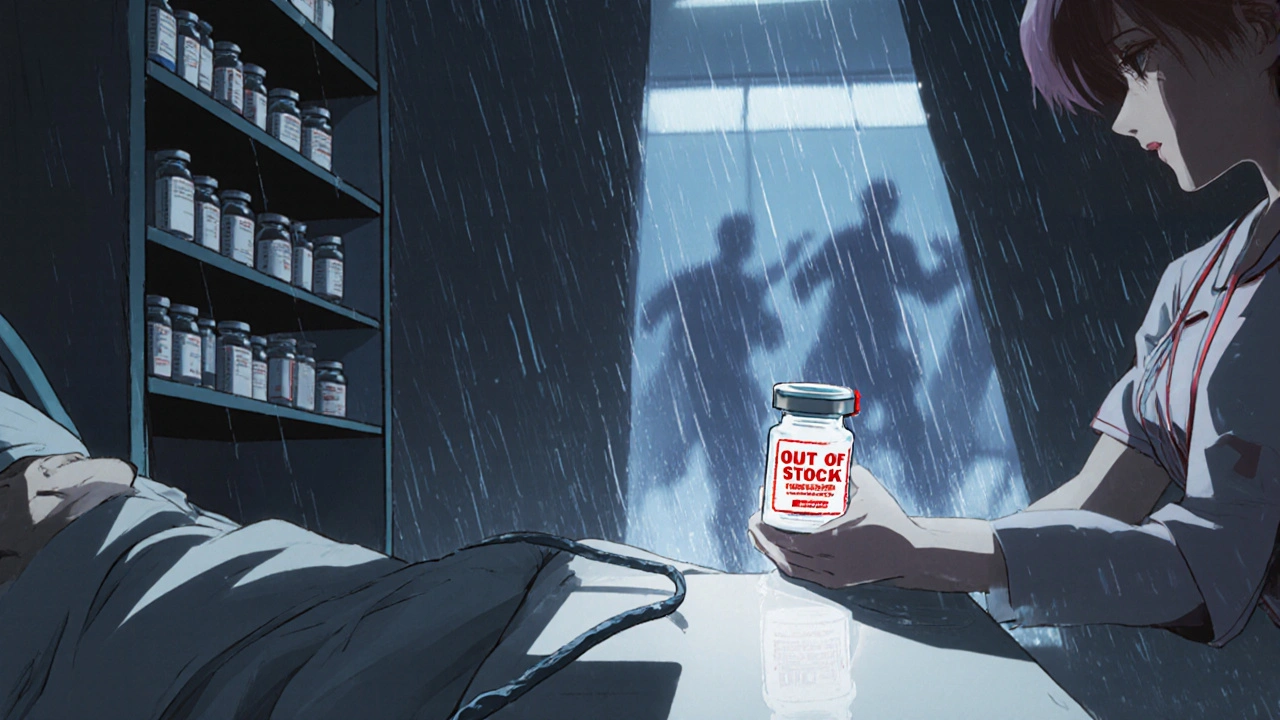
Generic drug shortages are caused by fragile manufacturing systems, global supply chain dependencies, low profit margins, and corporate consolidation. Here’s how these issues put patients at risk-and why solutions are still falling short.
 Medications