
ANDA: What It Is and Why It Matters for Generic Drugs
When you pick up a generic pill at the pharmacy, chances are it got there through an ANDA, Abbreviated New Drug Application, the FDA’s official pathway for approving generic versions of brand-name drugs. Also known as the Abbreviated New Drug Application, it’s the backbone of affordable medicine in the U.S.—and it’s why your insulin, blood pressure pill, or antibiotic might cost a fraction of what it did a decade ago.
ANDA isn’t just paperwork. It’s a strict but efficient system that lets manufacturers prove their generic drug is the same as the brand-name version—same active ingredient, same strength, same way it works in your body. But here’s what most people don’t realize: ANDA doesn’t require new clinical trials. Instead, it relies on data from the original drug, plus proof that the generic dissolves the same way and is absorbed the same way in your bloodstream. That’s why switching between generics can sometimes cause issues, especially with drugs that have a narrow therapeutic index, like warfarin or thyroid meds. Even tiny differences in how a generic is made can throw off your dose. That’s why some switches are safe, and others need your doctor’s approval.
Behind every approved ANDA is a complex chain: raw chemical ingredients made in India or China, finished pills packed in U.S. facilities, and quality checks that often get skipped during supply shortages. That’s why generic drug shortages happen—not because no one’s making them, but because profit margins are so thin, and manufacturing rules are so tight, that companies walk away when things get messy. And when one factory shuts down, thousands of patients feel it.
You might think all generics are equal, but they’re not. One company’s version of metformin might work perfectly for you, while another’s causes stomach upset. That’s not you being fussy—it’s real, measurable differences in fillers, coatings, or how fast the pill breaks down. That’s why tools like adherence tracking and digital pill organizers help you notice if something’s off. And why knowing your drug’s therapeutic index matters—especially if you’re on seizure meds, heart drugs, or chemotherapy.
ANDA is the invisible engine behind the $10 pill that saves your life. But it’s also a system under pressure—strained by global supply chains, corporate consolidation, and the fact that no one’s really watching how these drugs behave in real people over time. That’s why the posts below dive into what happens after approval: how generics are switched, why some cause side effects others don’t, how shortages hit patients hardest, and what you can do to protect yourself. Whether you’re taking a daily pill or managing a chronic condition, understanding ANDA means understanding your medicine—not just what’s in the bottle, but how it got there.
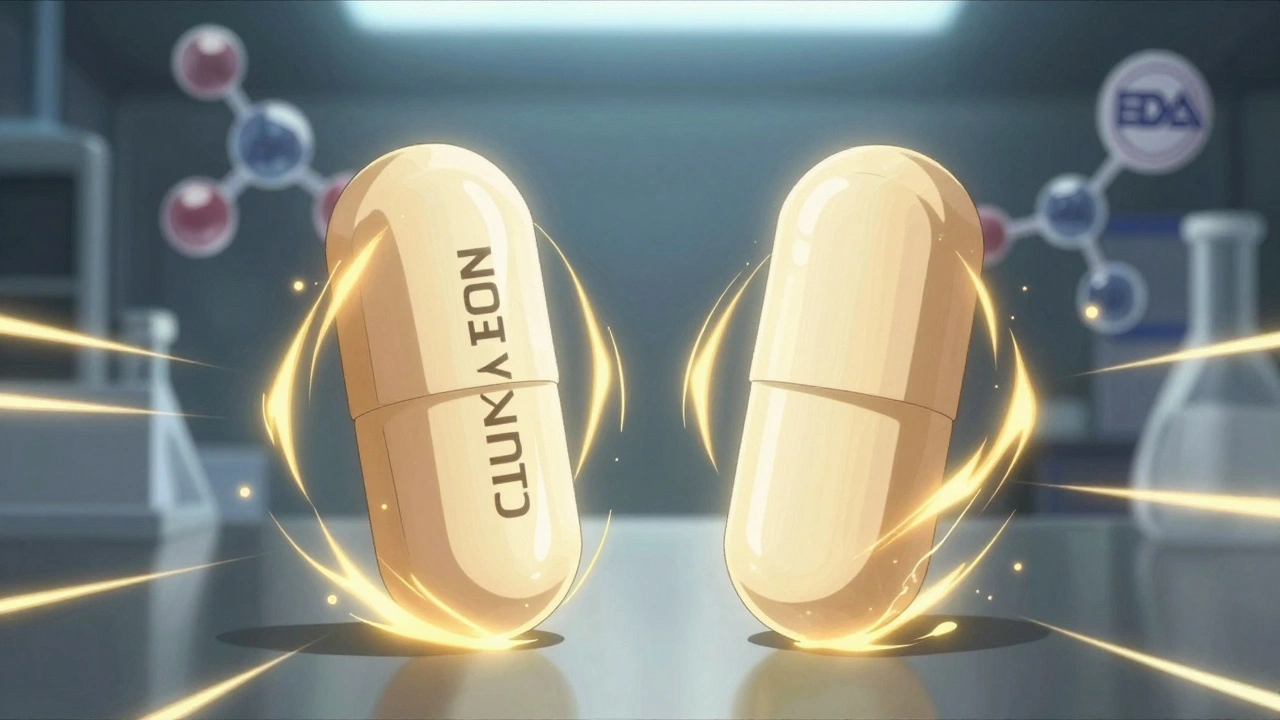
Generic drugs must meet the same strict safety, strength, and quality standards as brand-name drugs. The FDA requires bioequivalence proof, rigorous manufacturing controls, and consistent performance-ensuring generics are just as effective and safe.
 Medications