
TSH Targets: What Your Doctor Really Wants Your Thyroid Level to Be
When your doctor talks about TSH targets, Thyroid Stimulating Hormone targets are the ideal range of TSH levels doctors aim for when treating thyroid disorders. Also known as thyroid hormone goals, these numbers aren’t one-size-fits-all—they change based on your age, whether you’re pregnant, have heart disease, or are being treated for thyroid cancer. TSH is the signal your brain sends to your thyroid to make more hormones. Too high, and your thyroid isn’t working hard enough. Too low, and it’s overworking. Getting this number right can mean the difference between feeling tired all the time and having steady energy, stable weight, and better mood.
Most healthy adults have a TSH range of 0.4 to 4.0 mIU/L, but that’s just a starting point. For someone with hypothyroidism, a condition where the thyroid doesn’t produce enough hormones, many doctors now aim for a tighter range—between 0.5 and 2.5 mIU/L—especially if symptoms like fatigue or brain fog persist. If you’re on levothyroxine, your dose isn’t just about getting TSH into the normal range; it’s about finding the level where you feel your best. Older adults or those with heart problems often have higher targets, because pushing TSH too low can trigger arrhythmias. Meanwhile, patients who’ve had thyroid cancer are often kept at very low TSH levels—sometimes below 0.1—to stop any remaining cancer cells from growing.
And it’s not just about the number. Your body responds to how quickly your TSH changes. Jumping from 5.0 to 1.5 in a few weeks might leave you shaky or anxious, even if you’re "in range." That’s why most doctors adjust thyroid meds slowly—every 6 to 8 weeks—giving your body time to adapt. Many people don’t realize their symptoms might improve even if TSH is still slightly high, if their free T4 and T3 levels are optimized. That’s why some clinics check more than just TSH. If you’ve been told your numbers are "fine" but you still feel off, it’s worth asking about free hormone levels and whether your TSH target needs personalizing.
What you’ll find in the posts below aren’t just abstract guidelines—they’re real-world stories and science-backed facts from people managing thyroid conditions, pharmacists explaining how meds work, and doctors clarifying why one size doesn’t fit all when it comes to TSH. Whether you’re newly diagnosed, adjusting your dose, or wondering why your levels never seem right, these posts cut through the noise and give you what actually matters.
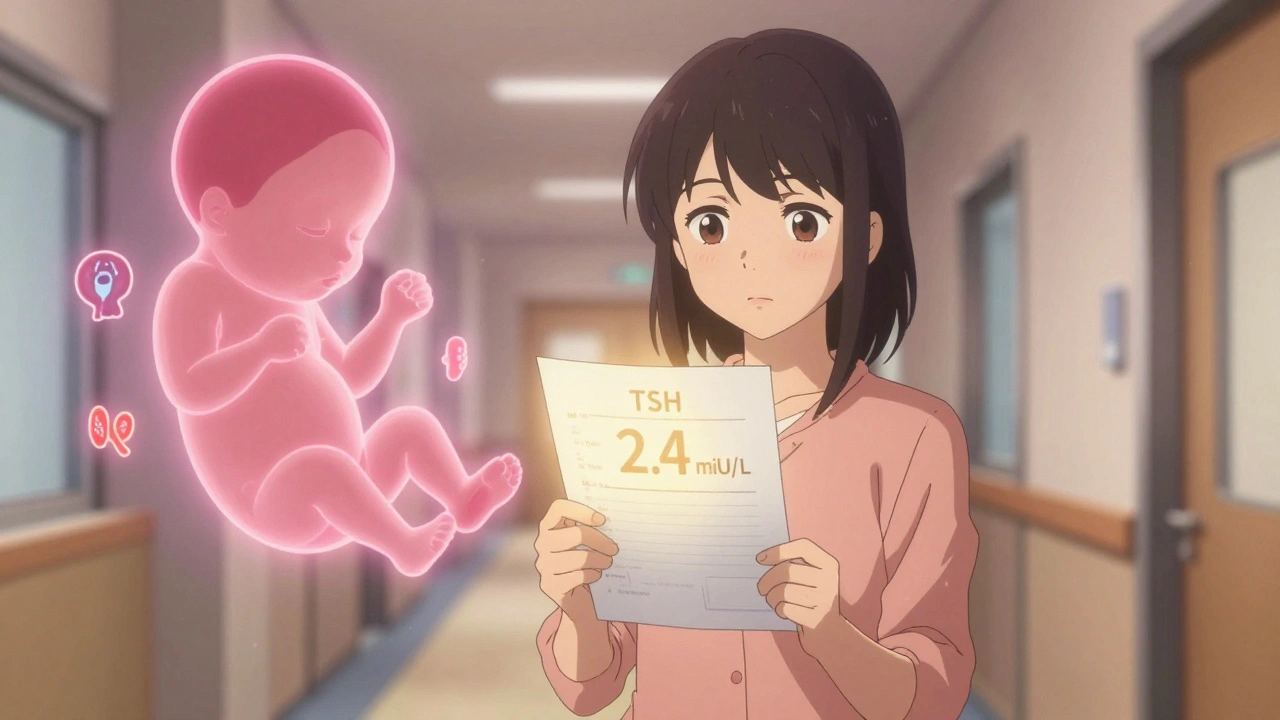
Optimizing TSH levels before conception is critical for fertility and healthy pregnancy. Learn the latest targets, testing protocols, and treatment strategies for thyroid health when trying to conceive.
 Medications