
Safer Sleep Aids for Seniors: Gentle, Effective Options Without Side Effects
When safer sleep aids for seniors, sleep solutions designed to help older adults rest without dangerous side effects. Also known as non-habit-forming insomnia treatments, they focus on restoring natural sleep patterns instead of forcing sedation. Many older adults struggle with sleep—not because they need less of it, but because their bodies change. Aging affects melatonin production, shifts circadian rhythms, and makes the brain more sensitive to drugs that cause drowsiness, confusion, or balance problems. What worked in your 40s might be risky in your 70s.
The biggest danger isn’t just poor sleep—it’s the meds people reach for to fix it. First-generation antihistamines like diphenhydramine (found in Benadryl and many OTC sleep aids) are still widely used, even though they block acetylcholine, a brain chemical vital for memory and coordination. This is called an anticholinergic effect, a drug action that interferes with nerve signals in the brain and body, leading to confusion, dry mouth, constipation, and increased fall risk. Studies show these drugs raise dementia risk over time. Even melatonin, often seen as harmless, can interact with blood thinners or diabetes meds if taken in high doses. The real goal isn’t just to fall asleep—it’s to sleep safely.
Thankfully, there are better paths. Some seniors benefit from low-dose melatonin (0.3–1 mg) taken a few hours before bed to reset their internal clock. Others find relief with cognitive behavioral therapy for insomnia (CBT-I), which teaches the brain to associate bed with sleep—not worry. Herbal options like valerian root or magnesium glycinate can help too, but they’re not one-size-fits-all. What matters most is matching the solution to the cause: Is it pain? Anxiety? Medication side effects? Or just a shifted sleep cycle?
The posts below give you real, practical comparisons: what works, what doesn’t, and what to avoid. You’ll find clear breakdowns of sleep meds that are too risky for older adults, gentle alternatives backed by evidence, and how to use tools like pill organizers to avoid mixing dangerous combinations. No fluff. No marketing. Just what you need to sleep better—without putting your health at risk.
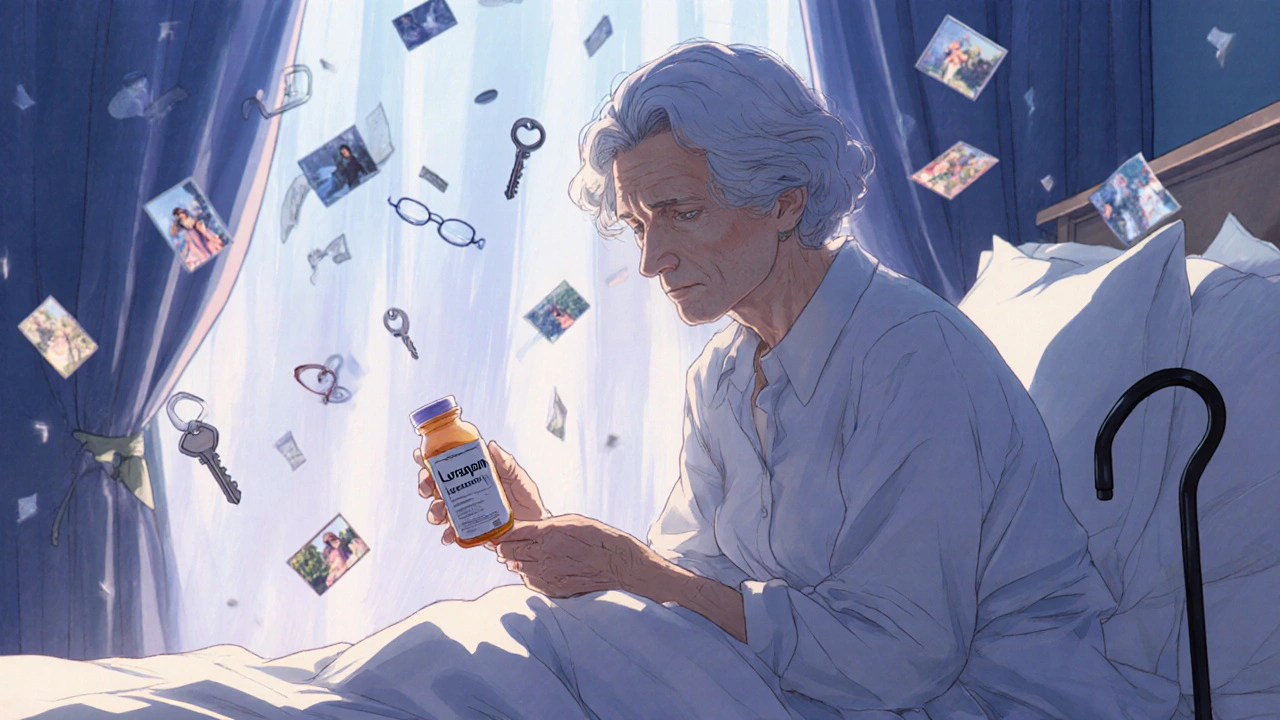
Benzodiazepines pose serious risks for seniors, including falls, memory loss, and dementia. Safer alternatives like CBT-I, SSRIs, and melatonin agonists offer effective relief without the dangers. Learn why experts now recommend avoiding these drugs in older adults.
 Medications