
Prevent Drug Diversion: How to Stop Misuse and Keep Medications Safe
When you think of drug diversion, the illegal transfer of prescription medications from lawful to unlawful channels. Also known as pharmaceutical diversion, it’s not just a hospital or pharmacy problem—it happens in homes, schools, and among friends. Every year, millions of unused pills end up in the wrong hands, fueling addiction and overdose risks. Preventing this starts with simple, everyday actions you can take right now.
One of the biggest contributors to drug diversion is leftover medication. People keep old antibiotics, painkillers, or anxiety meds "just in case," not realizing these drugs can become a gateway to misuse. A study from the National Institute on Drug Abuse found that over half of people who misused prescription opioids got them from friends or family—not doctors or dealers. That’s why pill organizers, tools designed to track daily doses and reduce confusion matter. They don’t just help you remember to take your medicine—they help you know exactly how much is left. If you see extra pills piling up, it’s a red flag. Use blister packs, lockboxes, or even sealed containers to keep controlled substances out of reach. Kids, teens, and even houseguests can easily find and take unsecured meds.
Another key part of medication safety, the practice of using drugs correctly to avoid harm is knowing when to dispose of them. Don’t flush pills or toss them in the trash unless you have to. Many pharmacies and police stations offer drug take-back programs. If those aren’t available, mix unused pills with coffee grounds or cat litter, seal them in a container, and throw them away. It makes them unappealing and unusable. Also, never share prescriptions—even if someone has similar symptoms. What works for you might be dangerous for them. A beta-blocker that helps your heart could crash someone else’s blood pressure. A benzodiazepine that helps you sleep might cause memory loss in an older adult.
It’s not just about locking up pills. It’s about changing habits. Talk to your doctor about how much medicine you really need. Ask for smaller prescriptions for painkillers. If you’re on a long-term medication, check in every few months to see if you still need it. Many people keep taking drugs long after they’re useful—especially sleep aids, anti-anxiety meds, or muscle relaxants. That’s how diversion starts. And if you’re caring for an elderly parent or a teen, watch for signs: missing pills, sudden mood swings, unexplained money problems. These aren’t just personal issues—they’re public health risks.
Preventing drug diversion isn’t about fear. It’s about responsibility. You don’t need a degree in pharmacology to make a difference. Just be aware. Be proactive. Use tools like pill organizers to track what’s in your medicine cabinet. Know where to safely dispose of what you don’t need. Talk openly with your family about the real dangers of leftover prescriptions. The posts below show you exactly how to do this—whether you’re managing diabetes meds, avoiding sedatives in seniors, or using blister packs to stop accidental overdoses. Each one gives you a clear, practical step to keep medications where they belong: in the right body, at the right time, and never in the wrong hands.
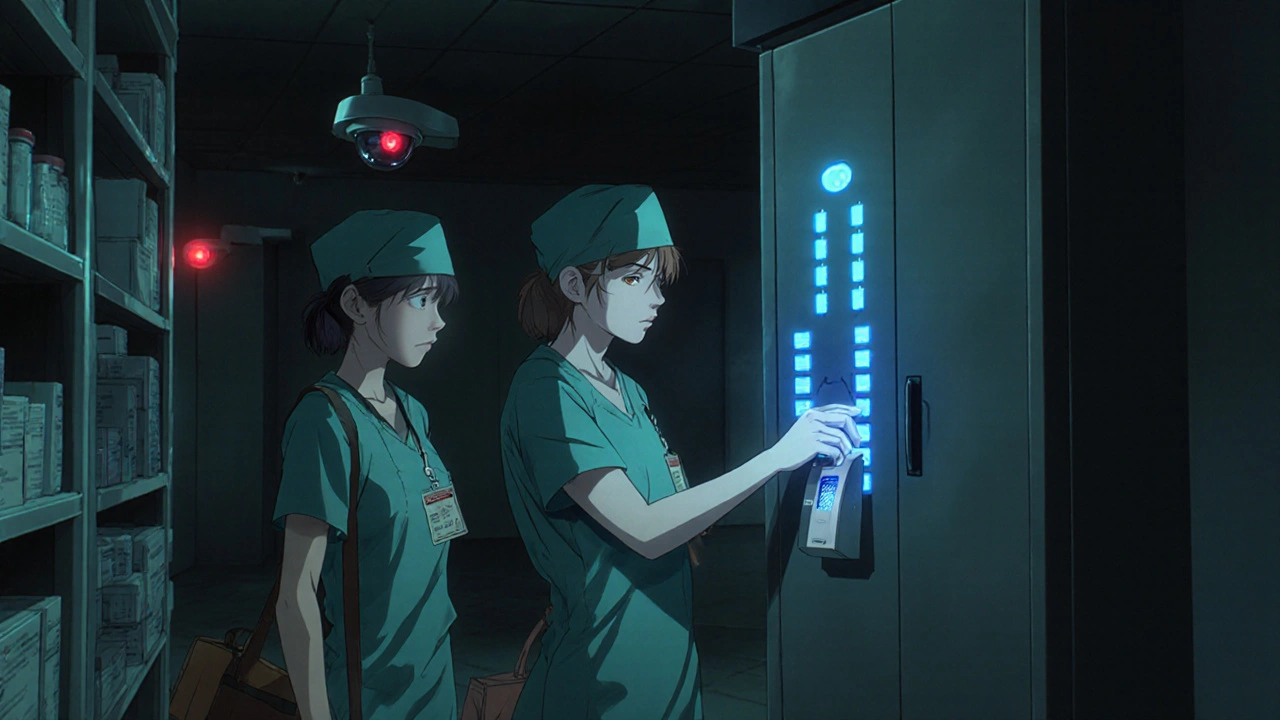
Learn how to securely store controlled substances to prevent theft and diversion in healthcare settings. Follow DEA-compliant practices, use dual control, implement audits, and avoid common pitfalls that put patients and staff at risk.
 Medications