
Preconception Thyroid: What You Need to Know Before Getting Pregnant
When you're planning to get pregnant, your preconception thyroid, the state of your thyroid gland before pregnancy. Also known as thyroid health before conception, it plays a quiet but powerful role in fertility, embryo development, and long-term baby health. Many women don’t realize their thyroid could be out of balance until after they’re pregnant—and by then, it’s harder to fix. The thyroid doesn’t just control your metabolism; it helps regulate ovulation, hormone balance, and even how well your body uses iodine, which your baby needs for brain development.
Low thyroid function—hypothyroidism, a condition where the thyroid doesn’t make enough hormones—is one of the most common but overlooked issues in preconception care. Studies show that even mild thyroid problems can increase the risk of miscarriage, preterm birth, and lower IQ scores in children. And if you’re already on thyroid medication like levothyroxine, your dose often needs to be adjusted before conception, not after. Your body’s demand for thyroid hormone jumps by 30-50% in early pregnancy, so waiting until you’re pregnant to check your levels is like trying to fix a leak after the basement is flooded.
Thyroid antibodies, like TPOAb, are another hidden factor. Even if your TSH looks normal, high antibody levels can signal an autoimmune issue—like Hashimoto’s—that increases pregnancy risks. That’s why many doctors now recommend a full thyroid panel before trying to conceive: TSH, free T4, free T3, and thyroid antibodies. It’s not routine everywhere, but if you’ve had unexplained infertility, recurrent miscarriages, or symptoms like fatigue, weight gain, or dry skin, asking for this test is smart.
And it’s not just about medication. Iodine deficiency is still a problem in many parts of the world, and prenatal vitamins don’t always contain enough. You need about 150 micrograms daily before pregnancy—more than what’s in some multivitamins. Seafood, dairy, and iodized salt are key sources. If you’re vegan or avoid salt, you might need a supplement. But don’t overdo it—too much iodine can also throw off thyroid function.
What you’ll find in the posts below isn’t a list of generic advice. It’s real-world guidance from people who’ve been there: how thyroid meds interact with other drugs, why some women need dose changes months before conception, how to interpret lab results when you’re not pregnant yet, and what to do if your doctor says your thyroid is "fine" but you still feel off. These aren’t theoretical discussions. They’re practical, tested, and focused on what actually works when you’re trying to build a family.
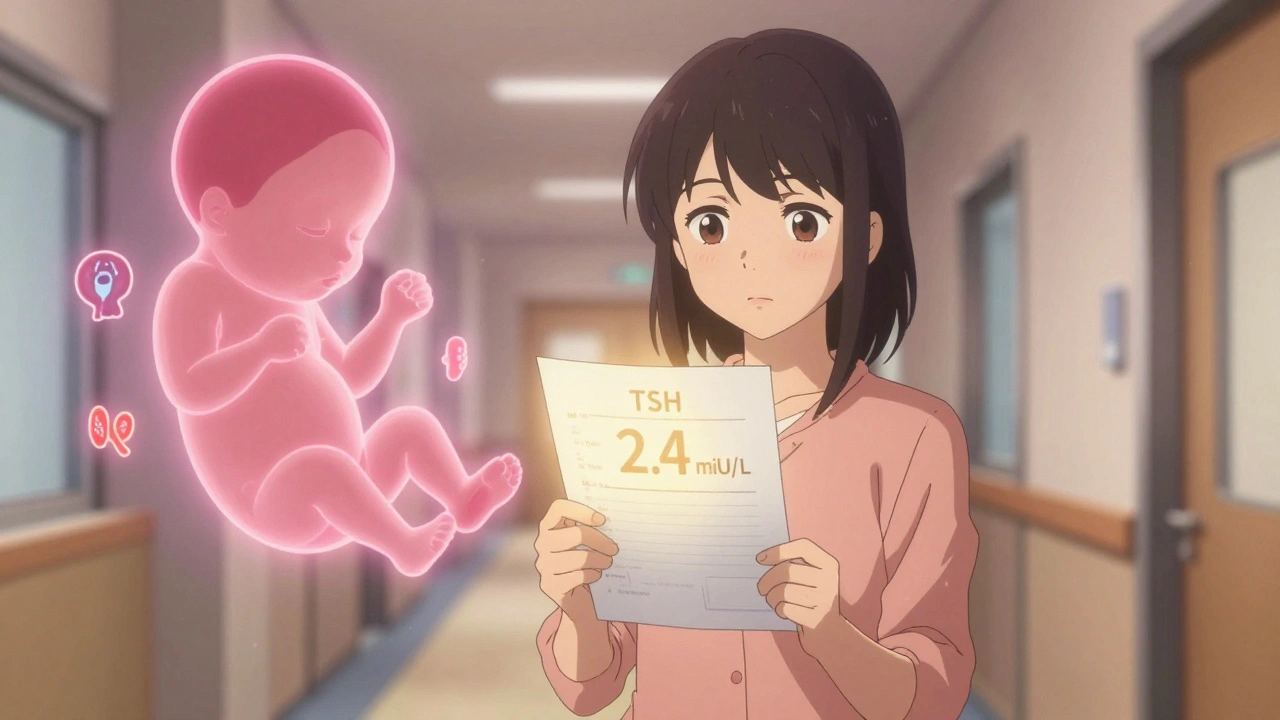
Optimizing TSH levels before conception is critical for fertility and healthy pregnancy. Learn the latest targets, testing protocols, and treatment strategies for thyroid health when trying to conceive.
 Medications