
Pharmaceutical Supply Chain: How Drugs Get to You and Why It Matters
When you pick up a prescription, you’re holding the end result of a complex pharmaceutical supply chain, the global network that moves raw ingredients, active pharmaceutical ingredients (APIs), and finished drugs from labs to pharmacies. Also known as the drug distribution system, it’s made up of manufacturers, distributors, wholesalers, and pharmacies—all linked by logistics, regulations, and profit margins. Most people assume their meds are always available, but that’s not guaranteed. A single factory shutdown overseas, a regulatory delay, or a price cut that makes production unprofitable can cause shortages that leave patients without their pills.
This system relies heavily on API manufacturing, the production of the active chemical components in drugs, often concentrated in just a few countries like India and China. When these facilities face quality issues, labor strikes, or export restrictions, the ripple effect hits pharmacies months later. The generic drug shortages, a growing crisis where life-saving medications like antibiotics or blood pressure pills disappear from shelves aren’t random—they’re built into the system. Generic drugs make up 90% of prescriptions but earn low profits, so companies stop making them when margins shrink. Meanwhile, drug manufacturing, the process of turning APIs into pills, injections, or creams under strict FDA rules requires precise conditions. Even small errors can lead to recalls or delays.
It’s not just about making drugs—it’s about keeping them secure. drug diversion, the illegal redistribution of controlled substances like opioids or sedatives happens in hospitals, pharmacies, and even homes. Poor storage, lack of audits, or weak tracking systems make it easier for pills to end up on the street instead of in patients’ medicine cabinets. The same supply chain that delivers your insulin might also be the one that lets someone steal your neighbor’s painkiller.
What you’ll find below isn’t just a list of articles—it’s a map of the hidden forces behind your medicine. From how a single factory in Asia can cause a nationwide shortage of your thyroid pill, to why switching generics can be risky if the supply chain is unstable, to how digital tools help track doses when drugs are hard to get, these posts show you how the system really works. You’ll see why some medications vanish, how manufacturers cut corners, and what you can do to protect your access to treatment. This isn’t theory. It’s what’s happening right now, in real time, to real people.
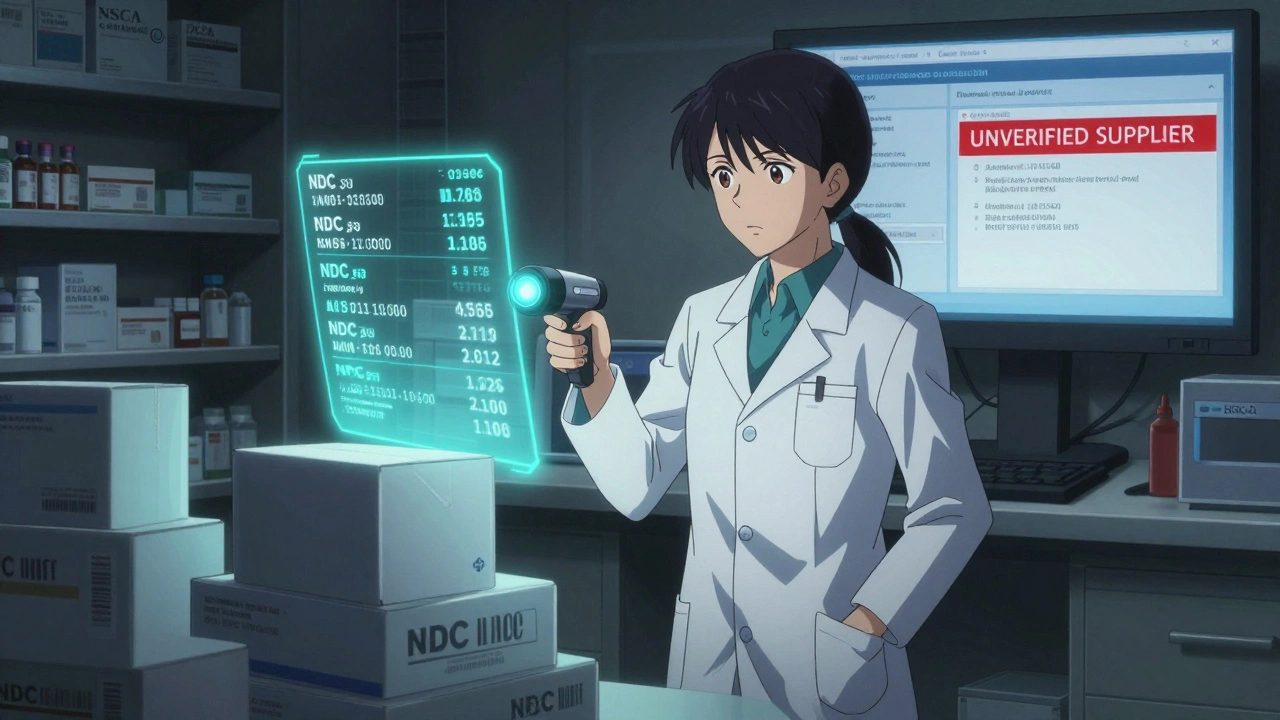
Legitimate drug procurement standards ensure pharmacies source safe, traceable medications by complying with DSCSA, FDA regulations, and supplier verification protocols. Learn how to avoid counterfeit drugs and meet legal requirements.
 Medications