
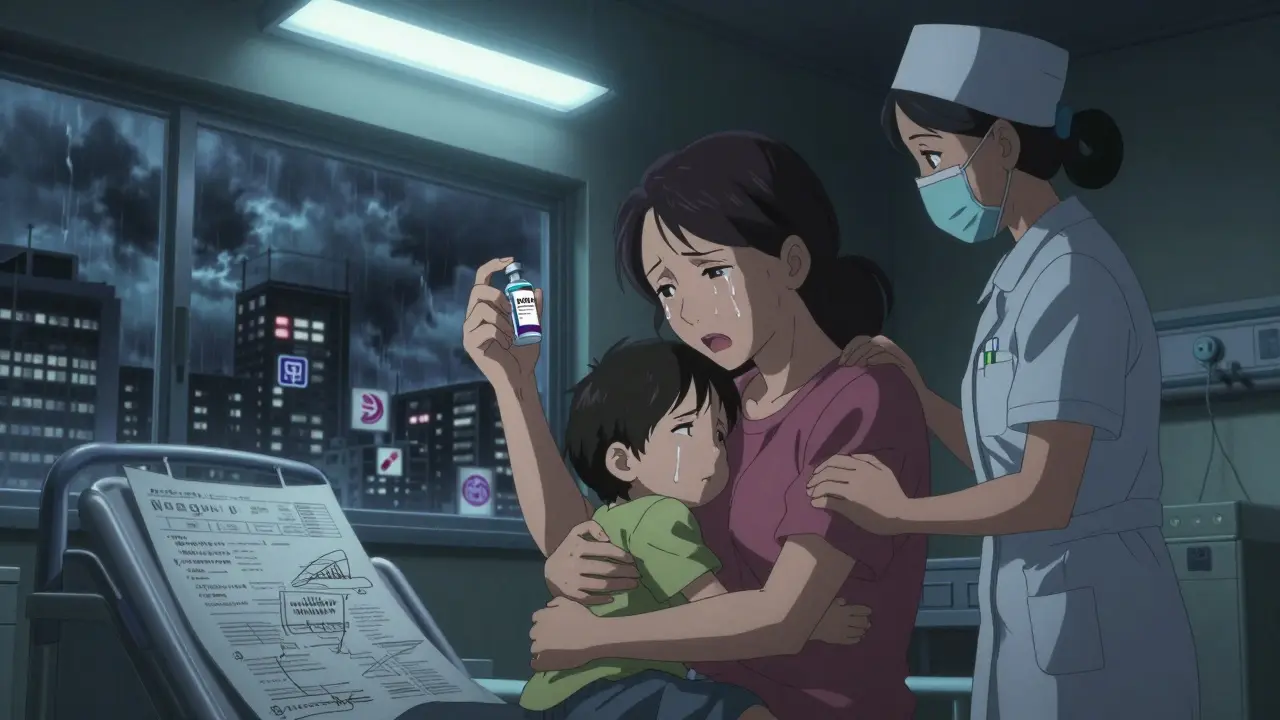
When a patient needs a life-saving drug and it’s simply not available, the consequences aren’t theoretical-they’re immediate, personal, and often deadly. In 2025, over 250 drugs remained in short supply across the U.S., with critical medications like asparaginase, heparin, and nelarabine still missing from hospital shelves. These aren’t obscure generics. These are drugs that treat cancer, prevent blood clots, and keep children alive. And when they vanish, the ripple effect hits every layer of care: patients skip doses, procedures get canceled, and nurses scramble to find substitutes that may not work the same way-or may even be more dangerous.
What’s Really Behind the Shortages?
Drug shortages aren’t random. They’re the result of a broken system. About 83% of the missing medications are generic drugs, made by companies that earn little profit on them. When a single factory in India or China has a quality control failure, or when raw materials like active pharmaceutical ingredients (APIs) get delayed, production stops. There’s no backup. No spare factory. No inventory buffer. The U.S. relies on global supply chains for 80% of its active ingredients, and when those chains break, the medicine doesn’t arrive.Manufacturing issues account for 32% of shortages. Supply chain disruptions, like shipping delays or port closures, cause 47%. And 21% happen because key raw materials aren’t available. These aren’t new problems-but they’ve gotten worse. Since 2022, over 70% of new shortages started, pushing the total to its highest level in decades. Even though the number dropped slightly from 323 in early 2024 to 253 by mid-2025, that’s still far above the 187 shortages recorded in 2021.
How It Hits Patients Directly
Imagine you’re a parent whose child has acute lymphoblastic leukemia. The standard treatment? Asparaginase. But the drug is in short supply. Your child’s oncologist tells you the next dose is delayed by two weeks. That delay isn’t just inconvenient-it increases the risk of relapse. Studies show delays of 7 to 14 days during asparaginase shortages directly impact survival rates.Or consider a diabetic patient who needs insulin. Or a cancer patient on a chemotherapy regimen that’s been disrupted. Or someone in the ICU needing heparin to prevent deadly clots after surgery. When these drugs disappear, doctors are forced to use alternatives. Sometimes those alternatives are less effective. Sometimes they cause more side effects. And sometimes, they simply aren’t available either.
A 2024 study found that 43% of medication errors in hospitals were directly tied to shortages. Why? Because pharmacists are switching from one drug to another without proper training. Nurses give the wrong dose because the label changed. Patients get confused when their usual pill looks different. One hospital reported a 18.3% spike in errors during the transition to a substitute drug.
And it’s not just hospitals. Outpatient infusion centers saw 41% of treatments delayed, omitted, or rescheduled. Patients with chronic pain can’t fill their opioid prescriptions. People with autoimmune disorders can’t get their biologics. The result? One in three patients report skipping doses, cutting pills in half, or going without medication altogether.
The Hidden Costs-For Patients and Providers
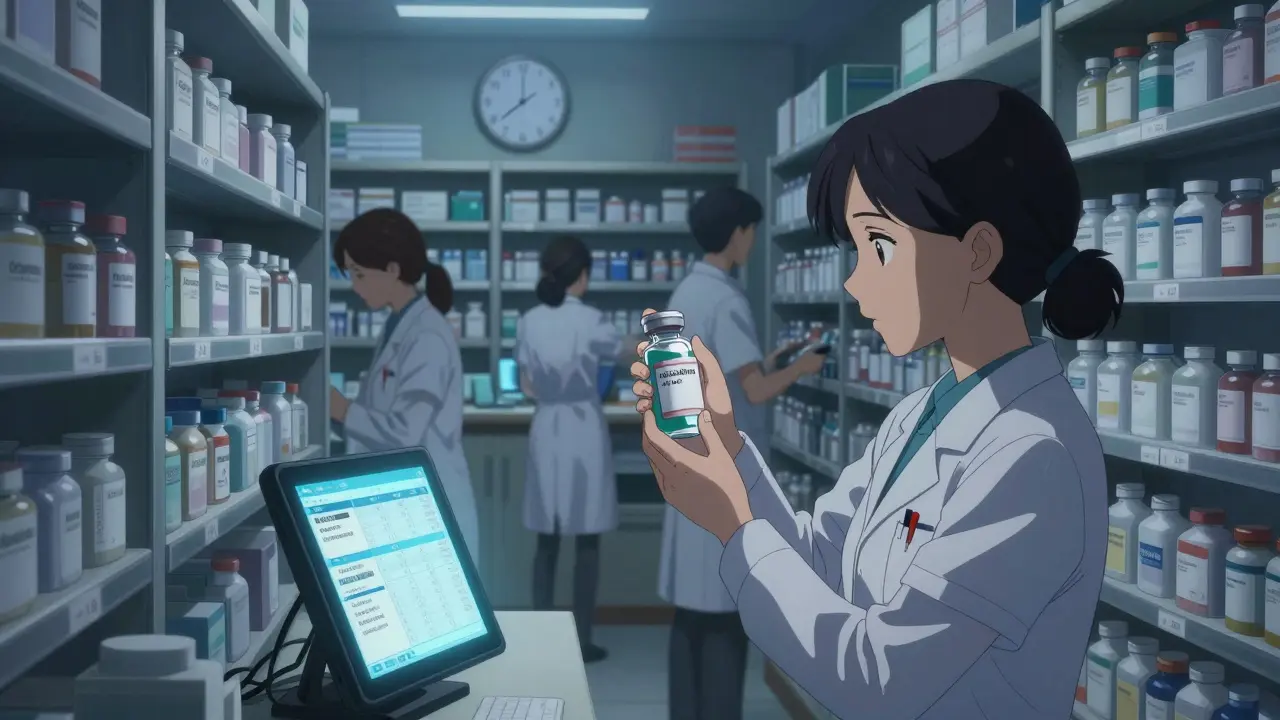
The financial toll is staggering. Hospitals spent nearly $900 million in 2023 just on extra labor to manage shortages-not including the cost of more expensive substitute drugs, canceled surgeries, or longer hospital stays. Each shortage forces staff to spend 15 to 20 hours per week tracking down alternatives, rewriting protocols, and training teams. Pediatric hospitals? They need 25% more time because kids need special dosing, and fewer alternatives exist.Patients pay too. Out-of-pocket costs jump by an average of 18.7% during shortages. A drug that used to cost $50 might now be $90 because it’s scarce. For Medicare patients, that’s often the difference between taking the medicine and not. Experts estimate that 1.1 million Medicare beneficiaries could die over the next decade because they can’t afford their prescriptions.
And it’s not just money. It’s stress. It’s fear. It’s the feeling that your care is being rationed. One pharmacist in Ohio told a reporter: "I’ve had patients cry because they can’t get their meds. I’ve had to tell them, ‘I’m sorry, we don’t have it. Try again next week.’ That’s not healthcare. That’s damage control."
Who’s Affected Most?
The burden isn’t spread evenly. Children, the elderly, and people with chronic illnesses are hit hardest. Pediatric patients rely on specific formulations-liquid doses, tiny pills, flavoring options. When a shortage hits, there are rarely substitutes that work for a 3-year-old. Cancer patients need exact dosing schedules. Delaying chemotherapy by even a few days can reduce survival chances.Patients with mental health conditions aren’t spared either. Shortages of lorazepam injections, used to treat seizures and severe anxiety, have forced emergency rooms to use less reliable alternatives. People with epilepsy, bipolar disorder, or PTSD are at higher risk of crisis when their meds vanish.
Even routine care suffers. A shortage of IV saline bags-a simple saltwater solution used for hydration, IV meds, and flushing lines-has forced 85% of hospitals to change protocols. Nurses now have to reuse bags, stretch supplies, or find other ways to deliver fluids. That increases infection risk and delays treatments.
What’s Being Done-and Why It’s Not Enough
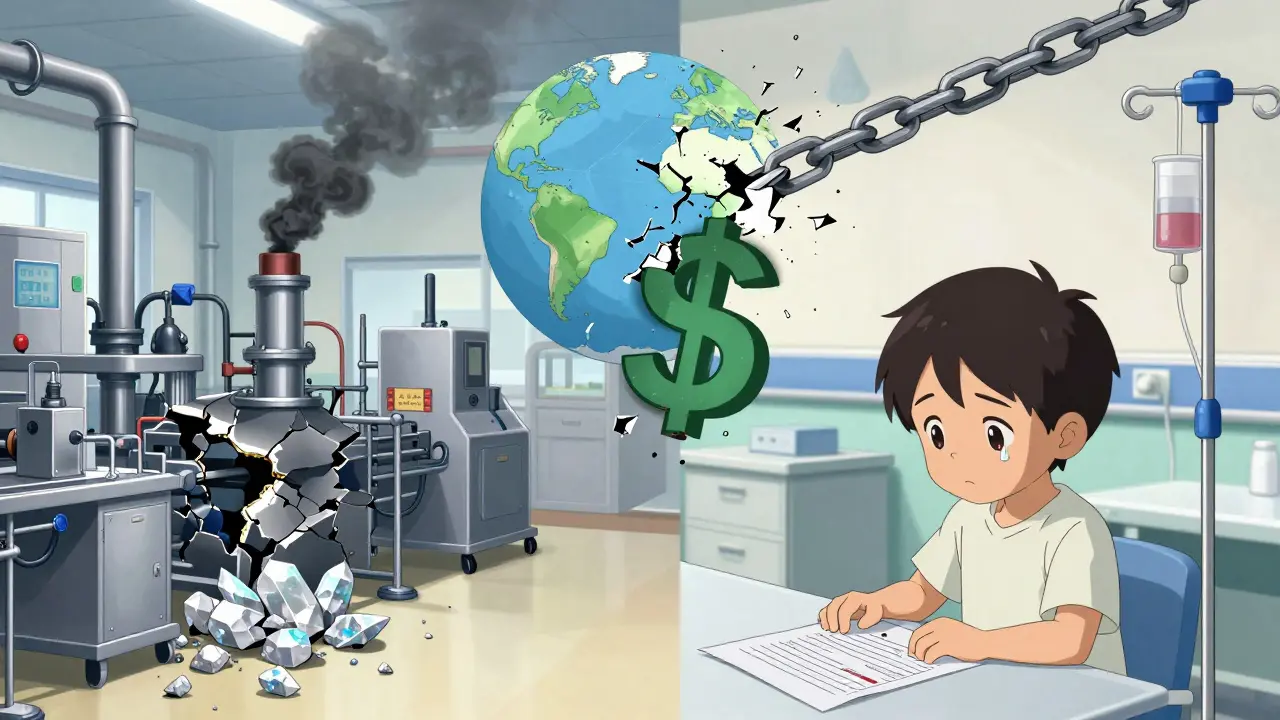
The FDA now requires manufacturers to report potential shortages six months in advance. That’s a step forward. But many companies still don’t comply. And even when they do, it doesn’t help if the problem is a factory fire in China or a shortage of a chemical made in only one plant.Hospitals are building shortage response teams. Some use software that tracks inventory in real time. Group purchasing organizations like Vizient help hospitals pool resources and negotiate better deals. Since 2023, these networks have saved $300 million in inventory costs. But none of this fixes the root problem: low profit margins on generics.
Companies make more money making brand-name drugs. They make almost nothing making a $0.10 generic antibiotic. So they stop producing it. Why invest in a factory for a drug that barely pays for itself? The answer: they don’t. And until the government creates financial incentives for producing essential generics-like guaranteed contracts or tax breaks for manufacturers-the cycle will keep repeating.
What Comes Next?
The good news? Awareness is growing. Congress held hearings in late 2023 and early 2024. The White House included drug shortages in its national supply chain order. Hospitals are investing more in monitoring tools. Some are even considering onshoring production-bringing manufacturing back to the U.S. by 2027.The bad news? The system is still fragile. One natural disaster. One regulatory shutdown. One factory recall. And dozens of patients could be left without treatment. We’ve patched holes, but we haven’t rebuilt the dam.
Patients need more than contingency plans. They need reliable access. They need assurance that their life-saving drug will be there when they need it. Right now, that assurance is gone. And until we fix the economic incentives, the global dependencies, and the lack of transparency in manufacturing, these shortages won’t just continue-they’ll get worse.
 Medications
Tom Sanders
March 10, 2026 AT 13:37Philip Mattawashish
March 11, 2026 AT 07:43Jazminn Jones
March 12, 2026 AT 03:15Stephen Rudd
March 12, 2026 AT 11:24Robert Bliss
March 12, 2026 AT 23:00rafeq khlo
March 13, 2026 AT 21:12Judith Manzano
March 15, 2026 AT 11:25Morgan Dodgen
March 17, 2026 AT 09:06Philip Mattawashish
March 19, 2026 AT 00:59