
Hypoglycemia Risk: What You Need to Know About Low Blood Sugar Dangers
When your blood sugar drops too low, you’re facing hypoglycemia risk, a dangerous condition where blood glucose falls below 70 mg/dL, triggering symptoms like shaking, confusion, and even loss of consciousness. Also known as low blood sugar, it’s not just a minor inconvenience—it can be life-threatening if ignored. This isn’t just a problem for people with diabetes, a chronic condition where the body struggles to manage blood glucose. Even those taking insulin, sulfonylureas, or certain other medications can slip into hypoglycemia without realizing it.
What makes hypoglycemia risk, a dangerous drop in blood sugar that can occur from medication, skipped meals, or excessive exercise so tricky is how fast it hits. One minute you’re fine, the next you’re sweating, dizzy, or unable to think clearly. It’s not just about feeling weak—it’s about brain function. Your brain runs on glucose, and when levels drop, your body goes into panic mode. That’s why people on insulin, a hormone therapy used to control blood sugar in diabetes or drugs like glipizide are especially vulnerable. Missing a meal, overdoing exercise, or drinking alcohol without food can push blood sugar into danger zone fast.
And it’s not always obvious. Some people, especially older adults or those with long-term diabetes, lose the warning signs. This is called hypoglycemia unawareness—and it’s one of the most dangerous forms. You don’t feel the shake, the sweat, the hunger. You just suddenly feel off. That’s why tracking your levels and knowing your triggers matters more than ever. Medications like beta-blockers can mask the physical symptoms, making it even harder to catch low blood sugar before it turns serious.
Understanding hypoglycemia risk isn’t just about avoiding fainting spells. It’s about preventing falls, car accidents, seizures, and long-term brain damage. It’s about knowing when to eat a quick snack, when to call for help, and when to adjust your meds. The posts below give you real, practical insights—from how certain drugs increase your risk, to how pill organizers can help you avoid missed meals, to why some diabetes treatments are safer than others. You’ll find clear comparisons, real-world tips, and no-nonsense advice on managing your blood sugar without living in fear.
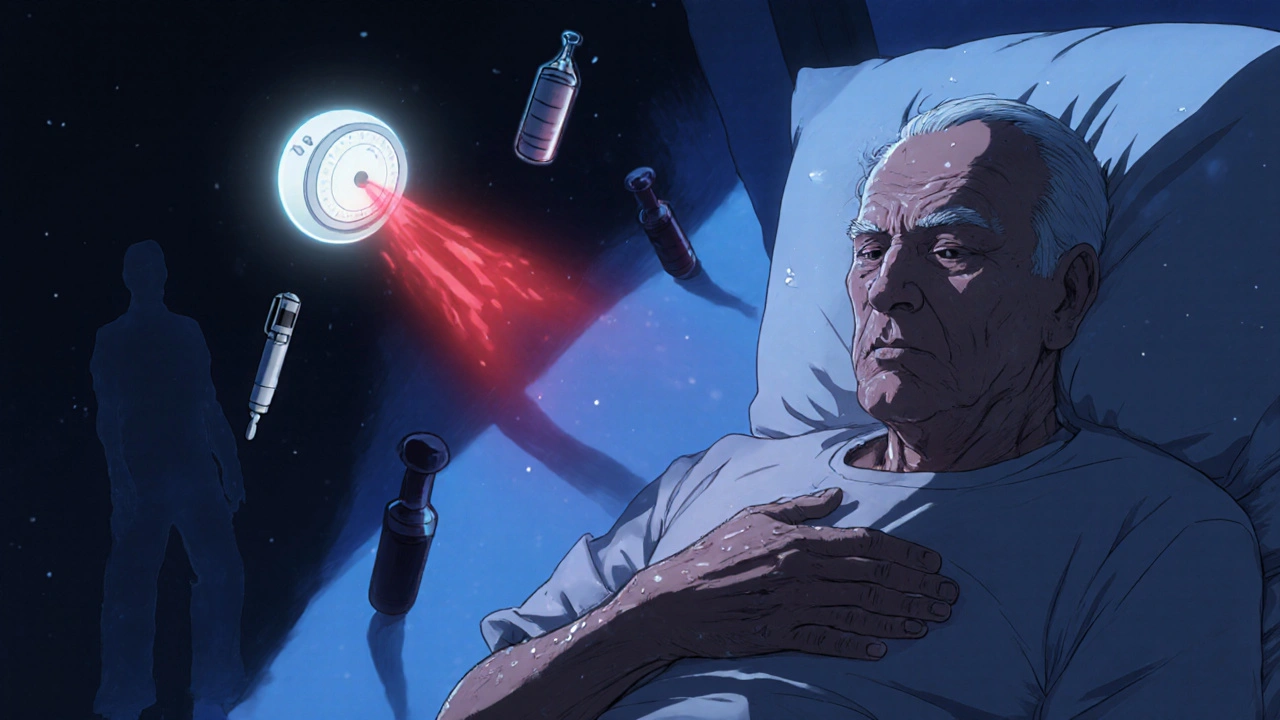
A clear safety guide for insulin and oral diabetes medications, covering hypoglycemia risks, kidney concerns, drug interactions, and hidden dangers of newer drugs like SGLT2 inhibitors and GLP-1 agonists.
 Medications