
Diabetes Medications: What Works, What Doesn’t, and What You Need to Know
When you’re managing diabetes medications, drugs used to lower blood sugar in people with type 1 or type 2 diabetes. Also known as antihyperglycemic agents, they’re not one-size-fits-all—what helps one person might do little or even cause problems for another. The goal isn’t just to drop numbers on a glucose meter. It’s to reduce the long-term damage high blood sugar does to your heart, kidneys, nerves, and eyes. And that starts with understanding how these drugs actually work in your body.
Type 2 diabetes, a condition where your body doesn’t use insulin properly. Also known as insulin resistance, it’s not caused by eating too much sugar alone—it’s a mix of genetics, lifestyle, and inflammation. Most people start with metformin, the first-line drug that reduces liver glucose production and improves insulin sensitivity. It’s cheap, well-studied, and doesn’t cause weight gain or low blood sugar. But if your pancreas is worn out from years of overwork, metformin alone won’t cut it. That’s when doctors add drugs like SGLT2 inhibitors, which make your kidneys flush out sugar through urine, or GLP-1 agonists, which slow digestion and boost insulin only when you eat. These newer options also help with weight loss and heart protection—something older drugs like sulfonylureas simply don’t do.
Insulin isn’t a last resort. It’s a tool. Some people need it early because their bodies make almost none. Others use it temporarily during illness or stress. The big mistake? Waiting too long to start it because you think it means you’ve "failed." That’s not true. Your pancreas gets tired. That’s biology, not weakness. And if you’re on multiple pills and still struggling with high numbers, insulin might be the simplest, most effective next step.
What you won’t find in most doctor’s offices? The real talk about side effects. Metformin can cause stomach upset that lasts weeks. SGLT2 drugs raise your risk of yeast infections. GLP-1 meds can make you nauseous at first. And insulin? It can cause low blood sugar if you skip meals or overdo the dose. These aren’t rare quirks—they’re expected. Knowing them helps you adjust, not panic.
There’s no magic pill. But there are smart choices. Some people do better with once-daily pills. Others need multiple shots. Some lose weight. Others don’t. The right mix depends on your age, weight, kidney function, budget, and daily routine. That’s why you’ll find real comparisons here—not generic advice, but side-by-side breakdowns of what actually works for real people. Whether you’re just starting out or switching meds after years, you’ll find clear, no-fluff info on what’s changed, what’s new, and what still holds up.
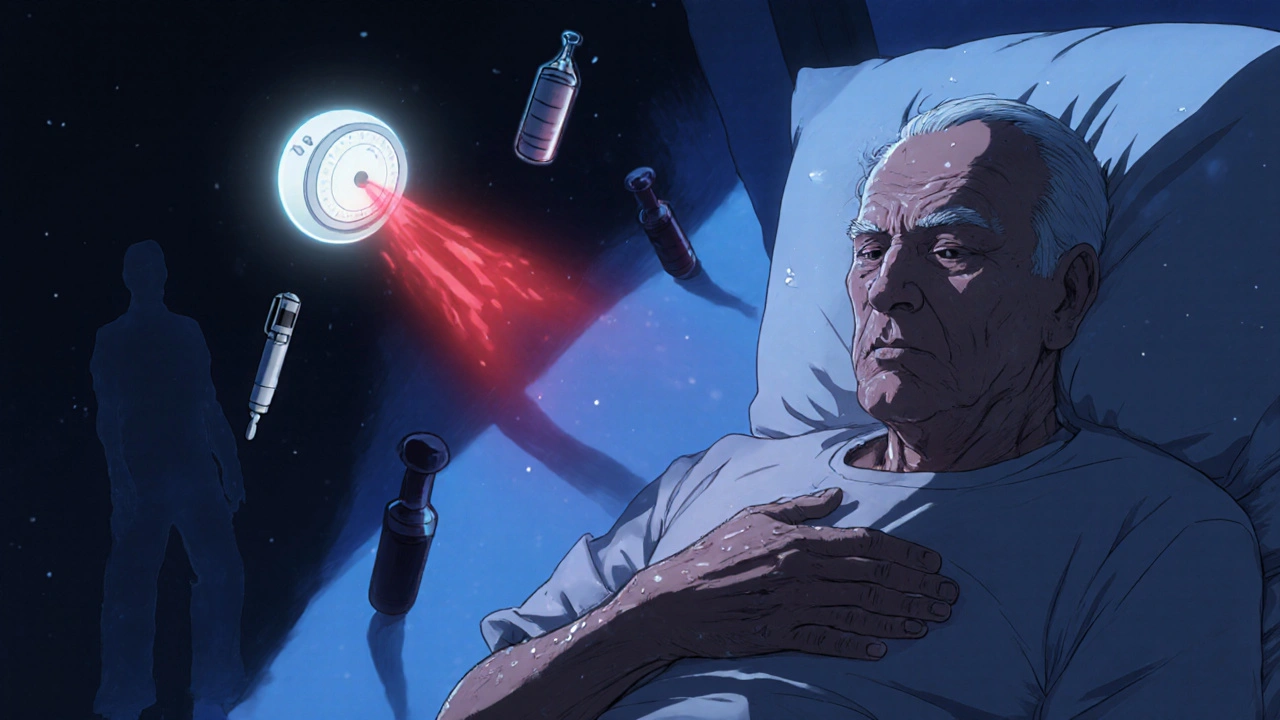
A clear safety guide for insulin and oral diabetes medications, covering hypoglycemia risks, kidney concerns, drug interactions, and hidden dangers of newer drugs like SGLT2 inhibitors and GLP-1 agonists.
Latest Posts
How Healthcare Providers Can Advocate for Generic Medications to Improve Patient Outcomes
Dec 24 2025 Medications