
Antihistamines and Alcohol: What You Need to Know About the Risks
When you take antihistamines and alcohol, a combination that can dangerously slow your central nervous system. Also known as sedating allergy meds, these drugs are meant to block histamine to relieve sneezing, itching, or runny nose—but they don’t play nice with alcohol. Many people don’t realize that even a single drink can turn a routine antihistamine into a safety hazard.
The biggest problem comes with first-generation antihistamines, like diphenhydramine (Benadryl) and chlorpheniramine. These cross into the brain easily, causing heavy drowsiness, blurred vision, and slowed reaction time. Add alcohol—another CNS depressant—and you’re doubling down on those effects. The result? You might feel like you’ve had three drinks when you’ve only had one. That’s not just uncomfortable—it’s dangerous when you’re driving, operating machinery, or even walking down the stairs. These drugs also have anticholinergic effects, meaning they block acetylcholine, a brain chemical involved in memory, muscle control, and heart rate. Alcohol makes these effects worse, leading to confusion, dry mouth, constipation, and even urinary retention. For older adults, this mix can increase fall risk and trigger delirium. It’s not just about feeling sleepy. It’s about your body struggling to do basic things safely.
Not all antihistamines are the same. Second-generation ones like loratadine (Claritin) or cetirizine (Zyrtec) are designed to stay out of the brain, so they cause far less drowsiness. Even then, mixing them with alcohol isn’t risk-free. Alcohol can still slow how your liver processes these drugs, making side effects last longer. And if you’re taking other meds—like sleep aids, painkillers, or anxiety drugs—the combo can get even more unpredictable.
What you’ll find in the posts below are real, practical breakdowns of what happens when these drugs meet alcohol. You’ll see why some people end up in the ER after a casual drink and allergy pill, how older adults are hit hardest, and which alternatives actually work without the danger. There’s no fluff—just clear facts on what to avoid, what to watch for, and how to stay safe without giving up relief.
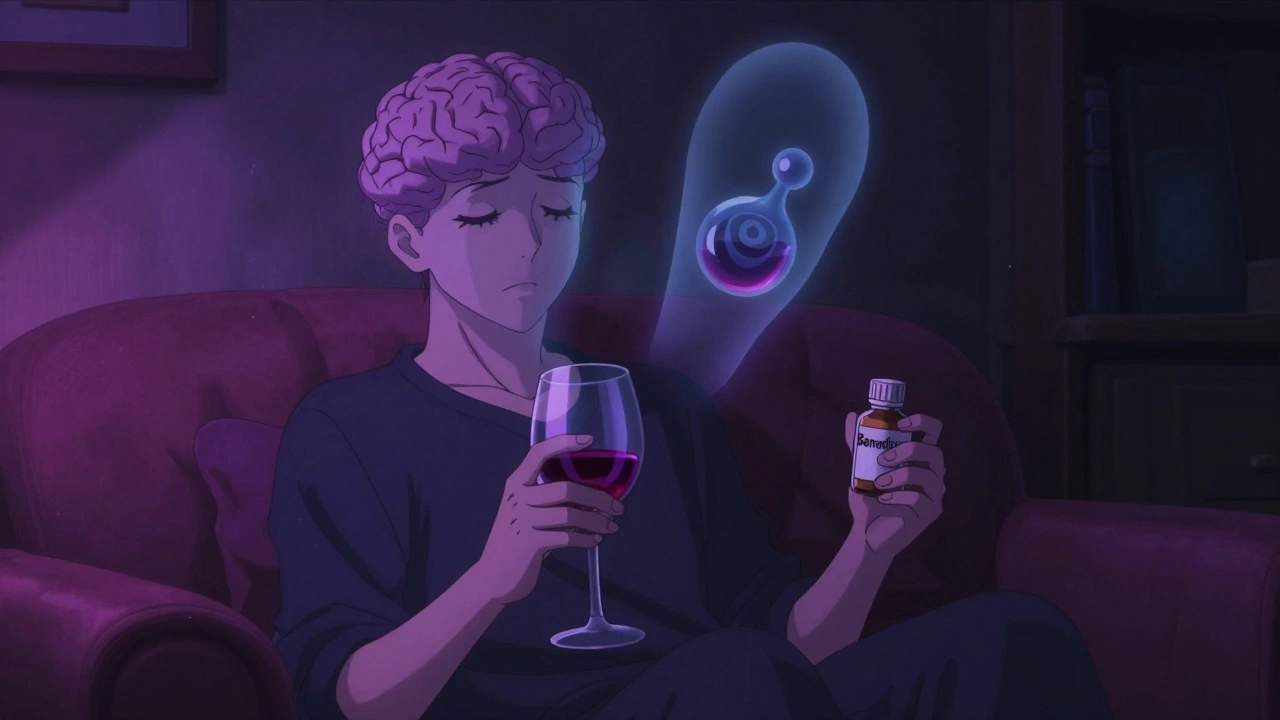
Mixing antihistamines and alcohol can cause extreme drowsiness, impaired driving, and even breathing problems. Learn why even "non-drowsy" options aren't safe and what to use instead.
 Medications