
Opioid & SSRI Interaction Checker
Select the opioid you are considering or currently taking while on an SSRI/SNRI to see the associated risk profile.
Drug Name
Risk LevelInteraction Profile: ...
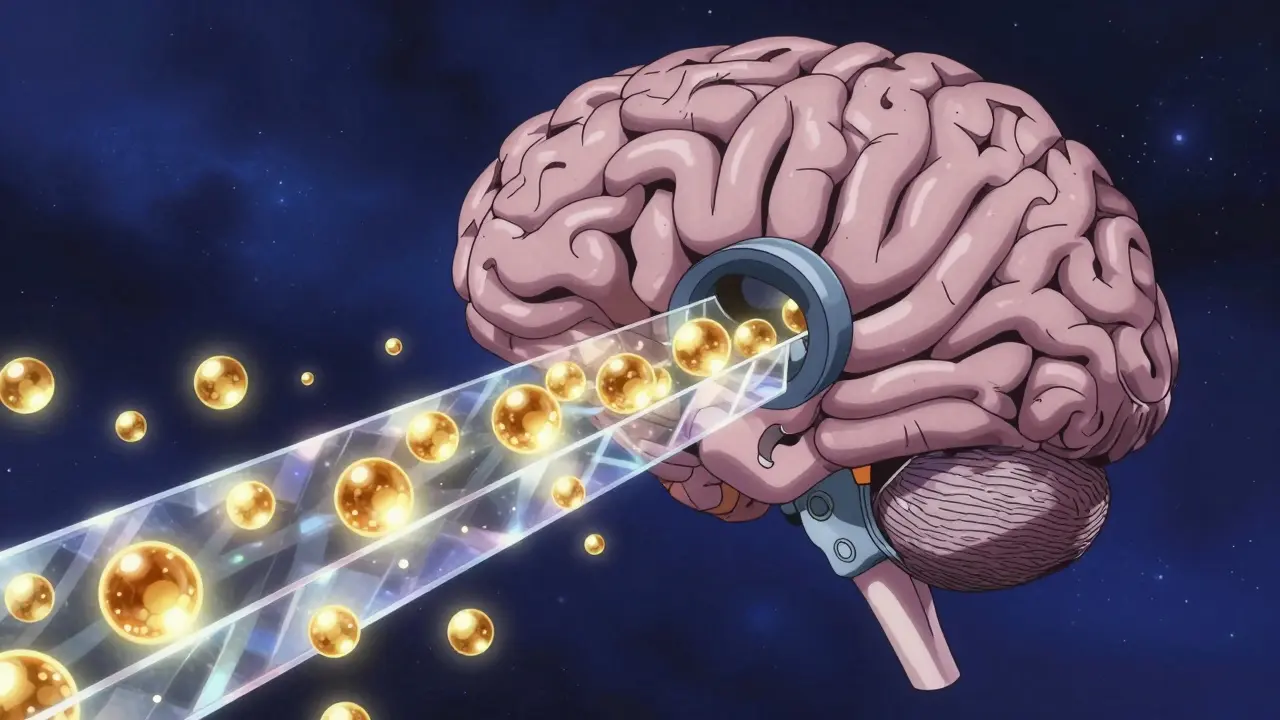
To understand why this happens, we have to look at how the brain cleans up. Normally, a protein called the Serotonin Transporter or SERT, acts as a vacuum that removes serotonin from the gaps between neurons to keep levels balanced. When you take an SSRI or Selective Serotonin Reuptake Inhibitor, you're essentially plugging that vacuum, leaving more serotonin available to the brain. That's usually the goal for treating depression. However, some opioids also plug that vacuum or stimulate serotonin release. When you combine them, the "vacuum" is completely broken, and serotonin floods the system, triggering a toxic response.
Which Drug Combinations Carry the Highest Risk?
Not all opioids are created equal. If you're on an antidepressant, the specific type of painkiller you're prescribed makes a massive difference in your risk profile. Some opioids have a high affinity for SERT, meaning they are very efficient at blocking serotonin reuptake.
Tramadol is the most common culprit here. It has a significantly stronger effect on serotonin than morphine-about 30 times stronger, in fact. Other high-risk options include Methadone and pethidine. These drugs don't just manage pain; they actively interfere with how your brain processes serotonin. In contrast, drugs like oxycodone, morphine, and buprenorphine generally don't mess with SERT, making them much safer bets for someone already taking a mood stabilizer.
| Opioid Type | Serotonin Interaction | Risk Level |
|---|---|---|
| Tramadol | Strong SERT Inhibition | High |
| Methadone | Moderate SERT Inhibition | High |
| Fentanyl | Receptor Affinity (5-HT1A/2A) | Moderate/High |
| Morphine | Minimal to No SERT Interaction | Low |
| Oxycodone | Minimal to No SERT Interaction | Low |
Recognizing the Warning Signs
Serotonin syndrome doesn't always hit like a ton of bricks; it can creep up on you. Most cases show up within a few hours of starting a new med or increasing a dose. The key is recognizing the "triad" of symptoms: mental status changes, autonomic hyperactivity, and neuromuscular abnormalities.
Early signs are often mild and easy to mistake for a flu or anxiety. You might experience shivering, diarrhea, or a heart rate that climbs above 100 beats per minute. But as it progresses, things get scary. You might notice a tremor or a specific type of muscle twitching called clonus-where your muscles contract and relax rhythmically. In severe cases, your core temperature can spike above 106°F, leading to seizures and rigid muscles. Because these symptoms mimic other conditions, like neuroleptic malignant syndrome, doctors often misdiagnose the problem, which can dangerously delay the right treatment.

Why Some People are More Vulnerable
Why does one person handle a combination fine while another ends up in the ER? A lot of it comes down to genetics and organ health. Your liver uses an enzyme called CYP2D6 to metabolize many opioids and antidepressants. If you're a "poor metabolizer"-meaning your body doesn't produce enough of this enzyme-the drugs stay in your system longer and reach higher concentrations. Research shows these individuals have over three times the risk of developing serotonin syndrome.
Age and health status also play a role. People with renal failure or cirrhosis can't clear these medications efficiently, making even a standard dose potentially toxic. Furthermore, as we age, we tend to take more medications (polypharmacy). Older adults are more likely to be on a cocktail of drugs that increases the chance of a dangerous interaction, which is why guidelines often suggest avoiding tramadol for seniors on SSRIs.
Prevention and Safety Protocols
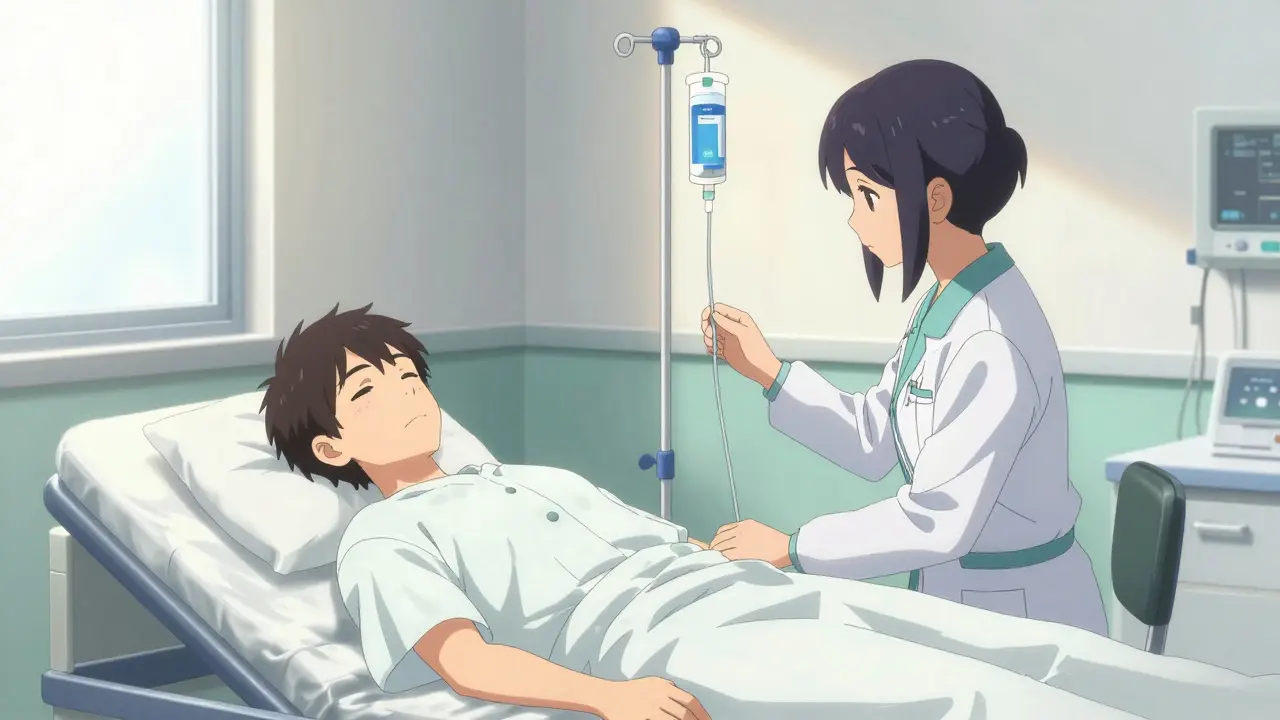
The best way to handle this risk is to avoid the dangerous pairings entirely. If you are taking an SSRI or SNRI, talk to your doctor about using safer alternatives like morphine or hydromorphone for pain management. But what if a high-risk combination is absolutely necessary?
In those cases, clinicians often use a "low and slow" approach, starting with 50% of the standard opioid dose and monitoring the patient closely for at least 72 hours. Another critical factor is the "washout period." If you're switching from a MAOI or Monoamine Oxidase Inhibitor, the most potent class of serotonergic drugs, you can't just start an SSRI the next day. You need a 14-day break. If you were on fluoxetine, that window extends to five weeks because fluoxetine stays in your system far longer than other antidepressants.
- Check Your List: Always provide a full list of supplements and meds to your provider.
- Symptom Tracking: Watch for uncontrolled shivering or sudden agitation.
- Ask About Alternatives: If prescribed tramadol, ask if a non-serotonergic opioid is appropriate for your condition.
- Pharmacy Alerts: Use pharmacies that utilize electronic clinical decision support to catch interactions before the pill reaches your hand.
What Happens During Treatment?
If serotonin syndrome is suspected, the first and most vital step is the immediate stop of all serotonergic agents. You can't just "ride it out"; the chemical imbalance needs to be corrected. For mild cases, supportive care-like benzodiazepines to calm agitation and cooling blankets for fever-usually does the trick.
In severe scenarios, doctors use a specific antagonist called cyproheptadine. This drug acts as a blocker for the 5-HT2A receptors, effectively stopping the serotonin from overstimulating the brain. Combined with aggressive hydration and temperature control, this can reverse the toxicity. The goal is to bring the core temperature down and stop the muscle rigidity before permanent organ damage occurs.
Can I take any opioid with my antidepressant?
No, not all opioids are safe. While morphine and oxycodone have a lower risk because they don't significantly block serotonin reuptake, drugs like tramadol and methadone are high-risk. You must consult your doctor to ensure the specific opioid doesn't interact with your specific antidepressant.
How quickly does serotonin syndrome happen?
It usually occurs very quickly, often within a few hours of taking a new medication or increasing the dose of an existing one. However, it can also develop over several days if doses are gradually increased.
Is it possible to get serotonin syndrome from just one dose?
Yes, especially for people with certain genetic profiles (like CYP2D6 poor metabolizers) or those with liver and kidney failure. In these cases, the body cannot clear the drug, and a single therapeutic dose can lead to toxicity.
What is the difference between an SSRI and an MAOI in terms of risk?
MAOIs are significantly more potent. They prevent the breakdown of serotonin entirely, whereas SSRIs only block its reabsorption. Combining an MAOI with any serotonergic opioid is considered the highest-risk scenario and can be fatal even at standard doses.
What should I do if I think I have serotonin syndrome?
Seek emergency medical attention immediately. Stop taking the suspected medications and head to an ER. Be prepared to tell the medical staff exactly which drugs and dosages you have taken, as this is critical for choosing the right antidote like cyproheptadine.
 Medications