

One in three American adults is at risk for kidney disease - and most don’t even know it. The kidney disease that sneaks up quietly, often without symptoms until it’s too late, is preventable. It’s not about waiting for a diagnosis. It’s about acting now, before your kidneys start to fail. The good news? You don’t need a miracle. You need to make a few real, daily choices that protect your kidneys the same way they protect your heart, your blood pressure, and your blood sugar.
What Actually Causes Kidney Damage?
Kidney disease doesn’t come out of nowhere. It’s usually the quiet result of other problems you might already be managing - or ignoring. The two biggest drivers are high blood pressure and diabetes. Together, they cause about 75% of all chronic kidney disease cases. High blood pressure squeezes the tiny filters in your kidneys, wearing them down over time. Diabetes floods your kidneys with sugar, forcing them to work harder until they break.
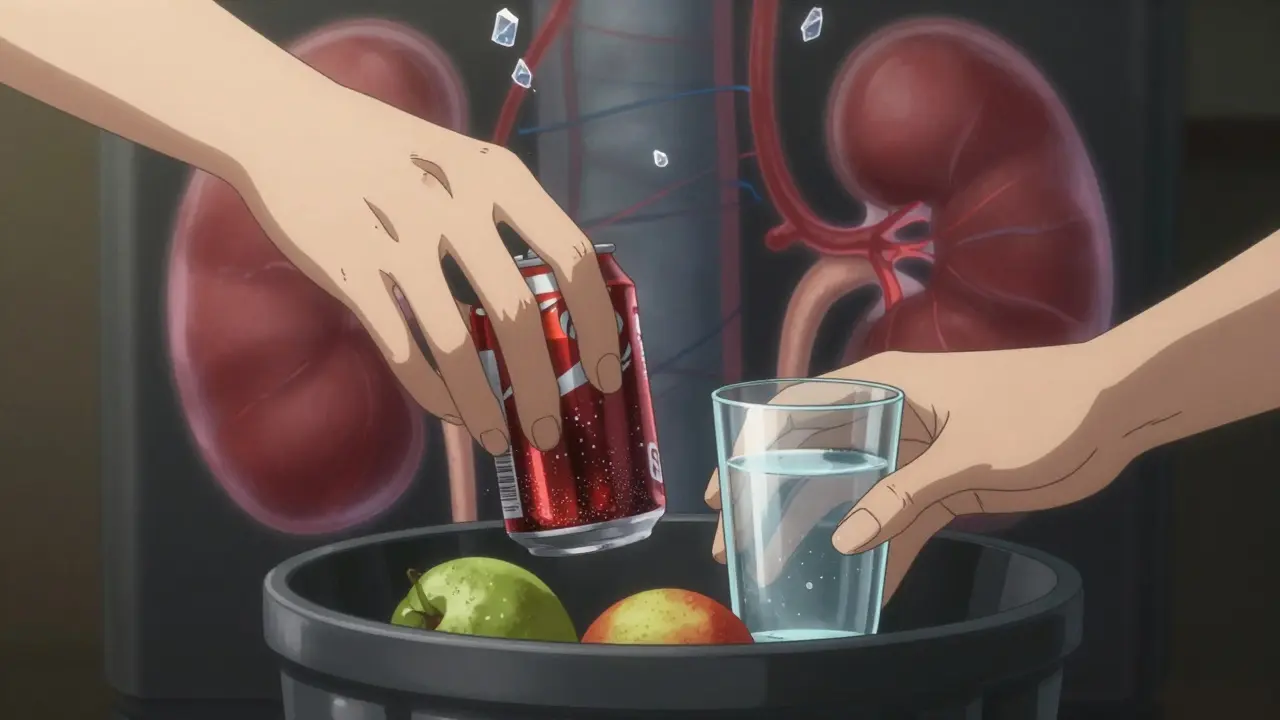
But it’s not just those two. Obesity, smoking, and long-term use of common painkillers like ibuprofen or naproxen add fuel to the fire. Even something as simple as drinking too many sugary sodas can raise your risk. A CDC study found that sugary drinks make up 7% of the average American’s daily calories - and that sugar doesn’t just go to your waistline. It goes straight to your kidneys.
And here’s the scary part: 90% of people with early kidney disease have no idea they have it. There’s no pain. No warning signs. That’s why prevention isn’t optional - it’s your only real defense.
Lower Your Sodium Intake - But Don’t Just Cut the Salt Shaker
Sodium is the silent killer when it comes to kidneys. Too much of it raises your blood pressure, and that pressure damages the delicate blood vessels in your kidneys. The standard advice is to keep sodium under 2,300 mg a day - about one teaspoon of salt. But here’s the catch: most people get over 3,400 mg a day, and almost all of it comes from packaged and restaurant food, not the salt you add at the table.
Start by reading labels. Canned soups, frozen meals, deli meats, and even bread can have more sodium in one serving than you should eat all day. Swap out processed snacks for fresh fruit, nuts, or plain yogurt. Cook at home more often. Use herbs, garlic, lemon, or vinegar instead of salt to flavor your food. A 2023 report from Richmond Nephrology Associates found that people who cut sodium to under 2,300 mg daily lowered their risk of kidney damage by nearly 30% over two years.
Eat to Protect Your Kidneys - Not Just to Lose Weight
You don’t need a special “kidney diet” unless you’re already in advanced stages. For prevention, focus on balance. The NHS recommends at least five portions of fruits and vegetables daily. That’s not just for antioxidants - it’s for potassium, fiber, and natural compounds that help your kidneys flush out waste without extra strain.
Choose lean proteins like chicken, fish, beans, and tofu. Too much protein - especially red meat - can overload your kidneys. Experts suggest keeping protein intake under 1.2 grams per kilogram of body weight. For a 150-pound person, that’s about 82 grams a day - which is less than you might think. A 6-ounce chicken breast has 50 grams. You don’t need three of those.
Also, cut back on refined carbs and added sugars. These spike blood sugar and insulin, which over time damages the kidney’s filtering system. Swap white bread and pasta for whole grains. Choose water or unsweetened tea over soda and sweetened coffee drinks. A 2022 study from Mutual of Omaha showed that people who reduced sugary drinks by half lowered their risk of developing diabetes - and by extension, kidney disease - by 28%.
Movements That Save Your Kidneys
Exercise isn’t just for your heart or your mood. It’s one of the most powerful tools you have to protect your kidneys. The CDC and NHS both agree: get at least 150 minutes of moderate activity each week. That’s 30 minutes, five days a week. Brisk walking, cycling, swimming - anything that gets your heart pumping counts.
But don’t stop there. Add strength training twice a week. Lifting weights or doing bodyweight exercises like squats and push-ups helps your body use insulin better, which lowers blood sugar. That’s huge for kidney protection. And if 30 minutes feels like too much, start with 10. Take the stairs. Walk after dinner. Dance in the kitchen. Small movements add up.
The American Kidney Fund found that people who started with just 10 minutes of daily activity and built up over time saw a 40% improvement in blood pressure and blood sugar control within six months. That’s not just better health - that’s kidney protection in action.
Control Your Blood Pressure and Blood Sugar Like Your Life Depends on It - Because It Does
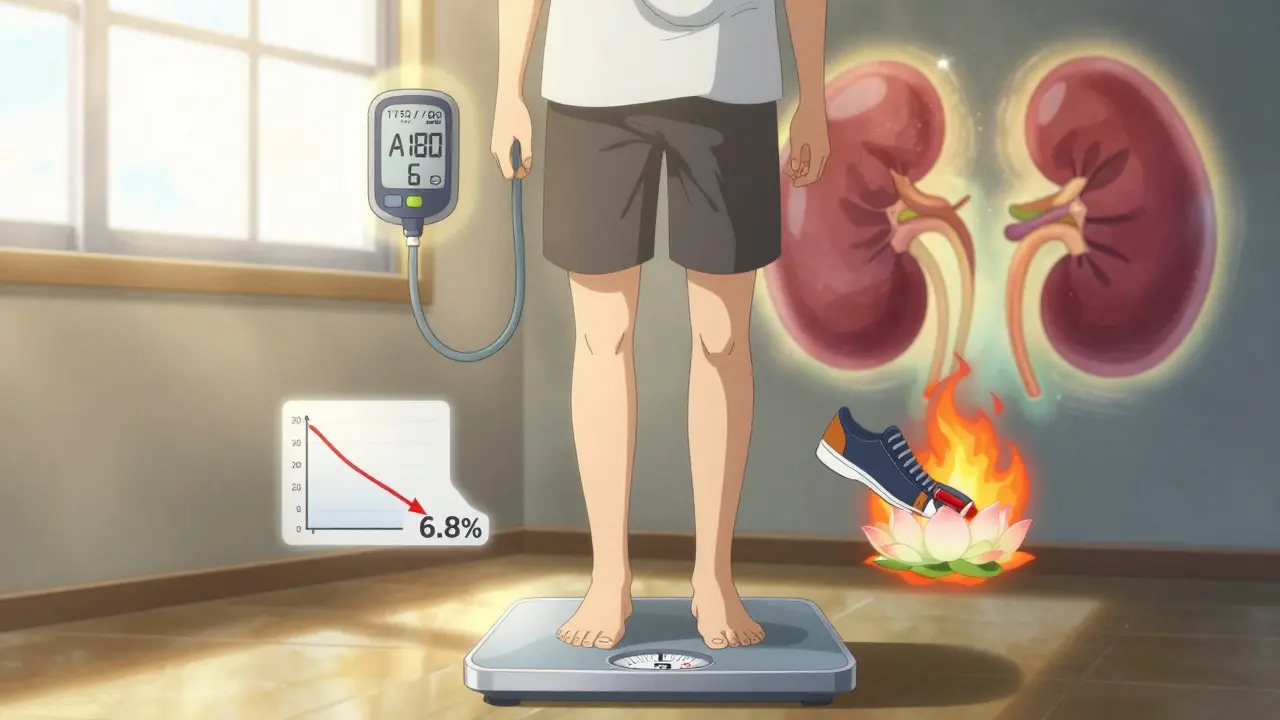
If you have high blood pressure, your target should be 120/80 mm Hg. That’s not a suggestion - it’s the number that keeps your kidneys safe. And if you have diabetes, your A1C should be under 7% (or whatever your doctor sets for you). Test it regularly. Don’t wait for your annual checkup.
Diabetes causes 40% of kidney failure cases in the U.S. That’s not a small number. That’s almost half. And it’s preventable. The CDC says checking your A1C at least twice a year - or every three months if you’re not at target - can cut your risk of kidney damage in half.
And here’s something most people don’t realize: losing just 5 kilograms (about 11 pounds) can reduce your risk of kidney disease by 25 to 30%. You don’t need to lose 50 pounds. You just need to lose enough to make a difference. That’s the power of small, consistent changes.
Stop Smoking - It’s Worse for Your Kidneys Than You Think
Smoking doesn’t just hurt your lungs. It shrinks the blood vessels in your kidneys, reduces blood flow, and speeds up damage. The CDC says smokers have a 50% higher chance of losing kidney function over time. The National Kidney Foundation adds that smoking can make existing kidney disease get worse by 30 to 50%.
Quitting isn’t easy, but it’s the single most effective thing you can do if you smoke. Within a year of quitting, your risk of kidney damage drops significantly. And within five years, it’s nearly back to the level of someone who never smoked. Talk to your doctor about nicotine replacement, counseling, or medications. Your kidneys will thank you.
Be Smart About Medications - Even the Over-the-Counter Ones
Many people think ibuprofen and naproxen are harmless because you can buy them without a prescription. But they’re not. These NSAIDs reduce blood flow to the kidneys, which can cause damage - especially if you already have high blood pressure, diabetes, or are over 60. The FDA reports that 3 to 5% of new kidney disease cases each year come from overuse of these drugs.
Don’t take them daily unless your doctor says so. If you need pain relief often, ask about safer alternatives like acetaminophen (but don’t exceed the daily limit). Always check labels on cold and flu meds - many contain NSAIDs too. And if you’re on multiple medications, ask your pharmacist or doctor to review them for kidney safety.
Limit Alcohol - And Manage Stress
Too much alcohol raises blood pressure and can lead to liver damage, which indirectly harms your kidneys. The advice is simple: one drink a day for women, two for men. That’s one 12-ounce beer, 5 ounces of wine, or 1.5 ounces of hard liquor. More than that? You’re adding risk.
And don’t forget stress. Chronic stress spikes cortisol and blood pressure, which strains your kidneys. A Johns Hopkins study found that people who practiced mindfulness, meditation, or deep breathing for just 10 minutes a day slowed their kidney disease progression by 15%. That’s not a magic trick. It’s science.
Get Screened - Even If You Feel Fine
If you have diabetes, high blood pressure, obesity, or a family history of kidney disease, you need a simple blood and urine test at least once a year. These tests check for albumin (a protein that leaks out when kidneys are damaged) and creatinine (a waste product that builds up when kidneys aren’t filtering well). Together, they give your doctor a clear picture of your kidney function.
And if you’re Black or Hispanic, you’re at higher risk. Black Americans are 3.4 times more likely to develop kidney failure than White Americans. Hispanic Americans are 1.3 times more likely. That’s not just bad luck - it’s a system failure. But you can fight it. Get tested. Know your numbers. Speak up.
What If You’re Already at Risk?
It’s never too late to start. Even if you’ve been told you have early-stage kidney disease, lifestyle changes can still stop it from getting worse. The American Kidney Fund says dietary and exercise changes are 40% more effective in Stages 1 and 2 than in later stages. That means if you act now, you might never need dialysis.
Look into programs like the NHS’s Healthier You Diabetes Prevention Programme. They offer personalized coaching, meal plans, and support - and they’ve helped people reduce diabetes progression by 26%. Telehealth programs that track your blood pressure at home have also shown a 37% increase in medication adherence. You’re not alone. Help is out there.
The Bigger Picture - Why This Matters
Kidney failure costs Medicare $128 billion a year. That’s money spent on dialysis, transplants, and hospital stays. The CDC estimates that if we prevented just 25% of kidney disease cases over the next decade, we’d save $32 billion. But beyond the numbers, it’s about quality of life. Dialysis is exhausting. Transplants require lifelong medication. Prevention means you get to live - without machines, without restrictions, without fear.
The science is clear. The tools are simple. The time to act is now. Your kidneys don’t ask for much. Just a little care. A few changes. A daily choice to eat better, move more, quit smoking, and check your numbers. That’s all it takes to keep them working - for decades to come.
 Medications
Kristin Dailey
January 18, 2026 AT 03:37Stop the fear-mongering. Kidney disease isn't some secret epidemic-it's what happens when people eat garbage and refuse to move. Stop blaming soda and start taking responsibility.
rachel bellet
January 18, 2026 AT 09:06While the article appropriately identifies hypertension and hyperglycemia as primary etiological factors in CKD progression, it conspicuously omits the confounding influence of epigenetic modifiers and gut-kidney axis dysbiosis-both of which are independently correlated with albuminuria and eGFR decline in longitudinal cohort studies (cf. JASN 2021;32:1145–1157). Furthermore, the sodium reduction metric lacks stratification by renin-angiotensin-aldosterone system activity, rendering the 30% risk reduction claim statistically underpowered.
Naomi Keyes
January 18, 2026 AT 20:09Let’s be clear: the data is unequivocal-reducing sodium intake below 2,300 mg/day, increasing dietary potassium via whole-food sources, and maintaining a BMI under 25 are not “lifestyle suggestions”-they are evidence-based, non-negotiable interventions that directly modulate glomerular pressure and tubular workload. Additionally, the CDC’s 2023 report on NSAID-induced nephropathy must be cited more prominently-especially since OTC painkillers are now the third-leading cause of acute kidney injury in patients over 65.
And while physical activity is laudable, the recommendation of “150 minutes per week” is insufficient for insulin-resistant populations; 200–250 minutes of moderate aerobic activity, coupled with resistance training, is the actual threshold for renal protection.
Andrew Qu
January 20, 2026 AT 18:08One thing people don’t realize-cutting soda doesn’t just help your kidneys. It helps your sleep, your mood, and even your skin. I swapped soda for sparkling water with lime and lost 12 lbs without trying. My BP dropped 15 points. Kidneys don’t care about willpower-they care about consistency.
Start small. One change. One week. Then add another. You don’t need to overhaul your life-just stop making it harder than it needs to be.
kenneth pillet
January 22, 2026 AT 02:11the part about ibuprofen is real. i took it daily for back pain for years. got a creatinine spike last year. stopped. 6 months later, back to normal. no drama. just quit. simple.
Jodi Harding
January 24, 2026 AT 01:53They say ‘your kidneys don’t ask for much.’ But they’re the only organ that works 24/7 without a break. And we treat them like trash. We feed them poison, ignore the signs, then cry when they quit. It’s not a medical failure-it’s a moral one.
Zoe Brooks
January 25, 2026 AT 06:38Just started walking after dinner-10 minutes at first. Now I’m up to 30. I don’t feel like a hero. I just feel less tired. And honestly? My cravings for sugar are gone. Maybe it’s not about willpower… maybe it’s about rhythm.
Wendy Claughton
January 27, 2026 AT 02:25Reading this made me check my last bloodwork… and I have pre-diabetes. I didn’t know. I’m scared. But also… kind of relieved? Like, now I can do something. I’m signing up for that NHS program tomorrow. Thank you for writing this. 🙏
Stacey Marsengill
January 28, 2026 AT 08:05Oh, so now it’s our fault? We’re lazy, gluttonous, and stupid? Meanwhile, the food industry pumps sodium into everything, sells you soda like it’s water, and then slaps a ‘low-fat’ label on poison and calls it health food. Don’t preach to the poor. This isn’t about willpower-it’s about access.