
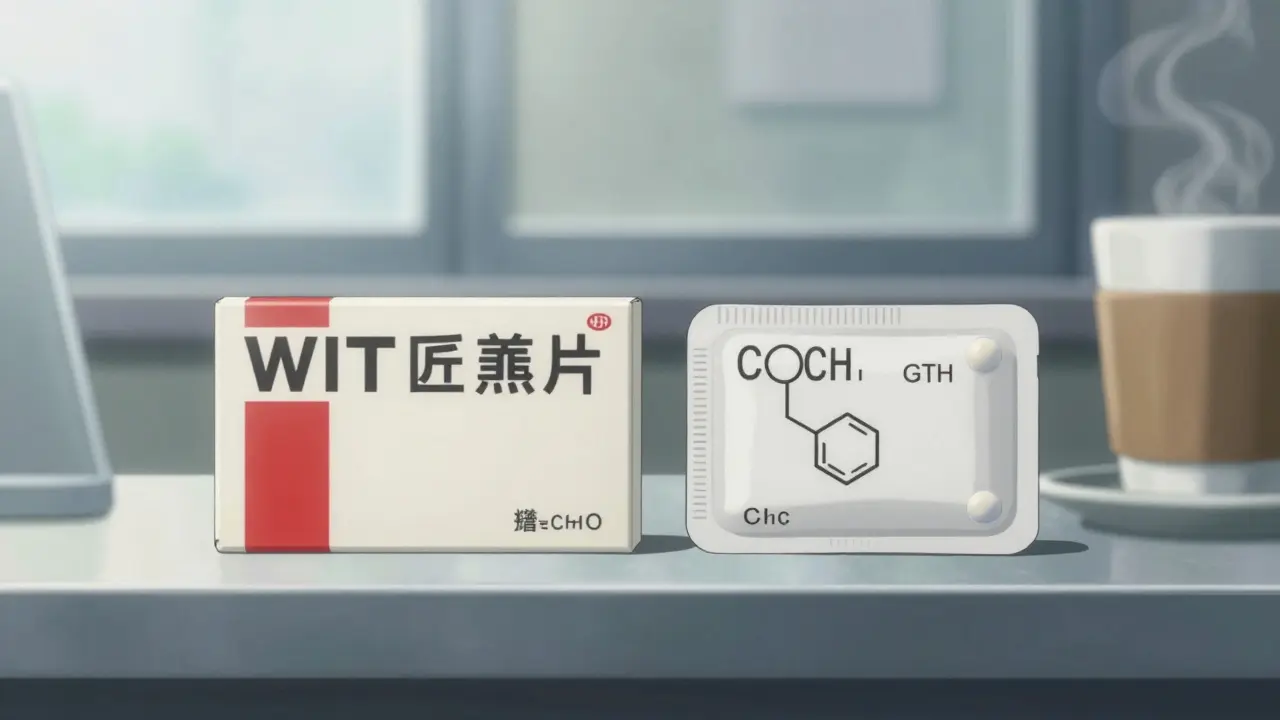
Have you ever picked up a prescription and noticed the pill looks exactly like your brand-name drug-but the box says something totally different? Maybe it’s labeled with just the chemical name, no fancy logo, and costs way less. That’s not a mistake. It’s an authorized generic.
What Exactly Is an Authorized Generic?
An authorized generic is the exact same medication as the brand-name drug you know-same active ingredient, same inactive ingredients, same size, same shape, same factory, same quality control. The only difference? It doesn’t carry the brand name on the label. The U.S. Food and Drug Administration (FDA) defines it clearly: an approved brand-name drug sold without the brand name on the packaging. It’s not a copy. It’s not a knockoff. It’s the real thing, just stripped of its marketing. For example, if you’ve taken Celebrex for arthritis, the authorized generic is celecoxib-made by the same company, in the same facility, using the same formula. Same pills. Same results. Just cheaper.How Is It Different From a Regular Generic?
This is where things get confusing. Most generics you see are made by different companies. They’ve gone through the Abbreviated New Drug Application (ANDA) process. That means they prove they’re bioequivalent to the brand-name drug-same effect in the body-but they can use different fillers, dyes, or coatings. That’s why some people notice a difference in how a generic feels, even if it works the same. Authorized generics skip all that. They don’t need to prove bioequivalence because they’re not different. They’re the same product, just sold under a different label. They’re made under the original brand’s New Drug Application (NDA), not a new generic application. Here’s the kicker: authorized generics aren’t listed in the FDA’s Orange Book-the official list of approved generics. That means pharmacists and doctors have to know they exist, because the system doesn’t flag them automatically.Who Makes Authorized Generics?
There are two ways this happens:- The brand-name company makes it themselves and sells it under a different label. For example, Pfizer might make a version of Lipitor without the Pfizer name on it.
- The brand-name company licenses the formula to another manufacturer-like Prasco or Greenstone-who then produces and sells it as an authorized generic.
Why Do Companies Do This?
At first glance, it seems odd. Why would a company that spent millions developing a drug turn around and sell a cheaper version of it? It’s a business strategy. When a brand-name drug’s patent expires, other companies can launch their own generics. But those generics take time to get approved. In the meantime, the brand company can launch its own authorized generic-often just before or during the 180-day exclusivity window that the first generic maker gets. A 2022 study in Health Affairs found that between 2010 and 2019, there were 854 authorized generic launches. In 75% of cases, they came out after traditional generics had already entered the market. That’s not random. It’s defensive. By launching their own generic, brand companies capture market share that would otherwise go to competitors. They keep relationships with pharmacies and insurers. They avoid losing all their revenue overnight. It’s not about helping patients-it’s about protecting profits. But guess what? Patients still benefit.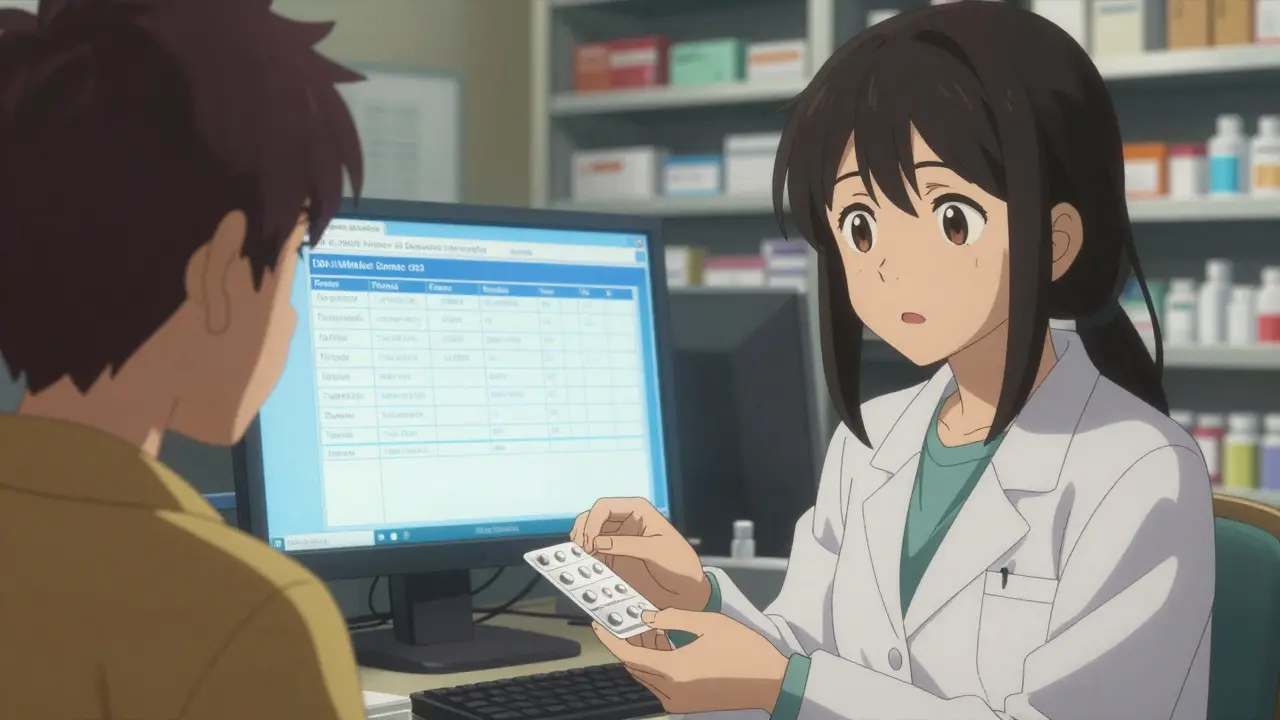
How Much Do Authorized Generics Cost?
Pricing is messy. Authorized generics usually cost less than the brand-name version-often 15% to 30% cheaper. But they’re not always the cheapest option. Once multiple traditional generics flood the market, prices drop even further. Sometimes, an authorized generic will be more expensive than a generic made by a third party. That’s because the brand company doesn’t have to compete on price the same way. They’re not trying to win a race-they’re trying to stay in the game. For example, the authorized generic for Concerta (methylphenidate ER) might cost $120 for a 30-day supply, while a third-party generic could be $40. But if you’re on a plan that only covers one version, or your doctor prefers the exact same formulation, the authorized generic might be your only option.Why Don’t More People Know About Them?
Because they’re not advertised. You won’t see TV commercials for them. Pharmacists often don’t mention them unless you ask. Insurance formularies don’t always list them separately. And since they look identical to the brand, many patients never realize they’ve been switched. Some people find out when they get a refill and the pill color changes. That’s not a mistake. That’s the authorized generic. If you’re used to a blue pill and suddenly get a white one, it’s still the same drug.Are Authorized Generics Safe?
Absolutely. The FDA says they’re identical to the brand-name drug. No compromises. No shortcuts. If your doctor prescribed you a brand-name drug because they wanted the exact formulation-maybe you had a reaction to a different generic’s filler-then an authorized generic is the safest alternative. People with allergies to certain dyes or fillers often do better with authorized generics because the inactive ingredients match the brand. Traditional generics can vary in these components, which can cause unexpected side effects in sensitive patients.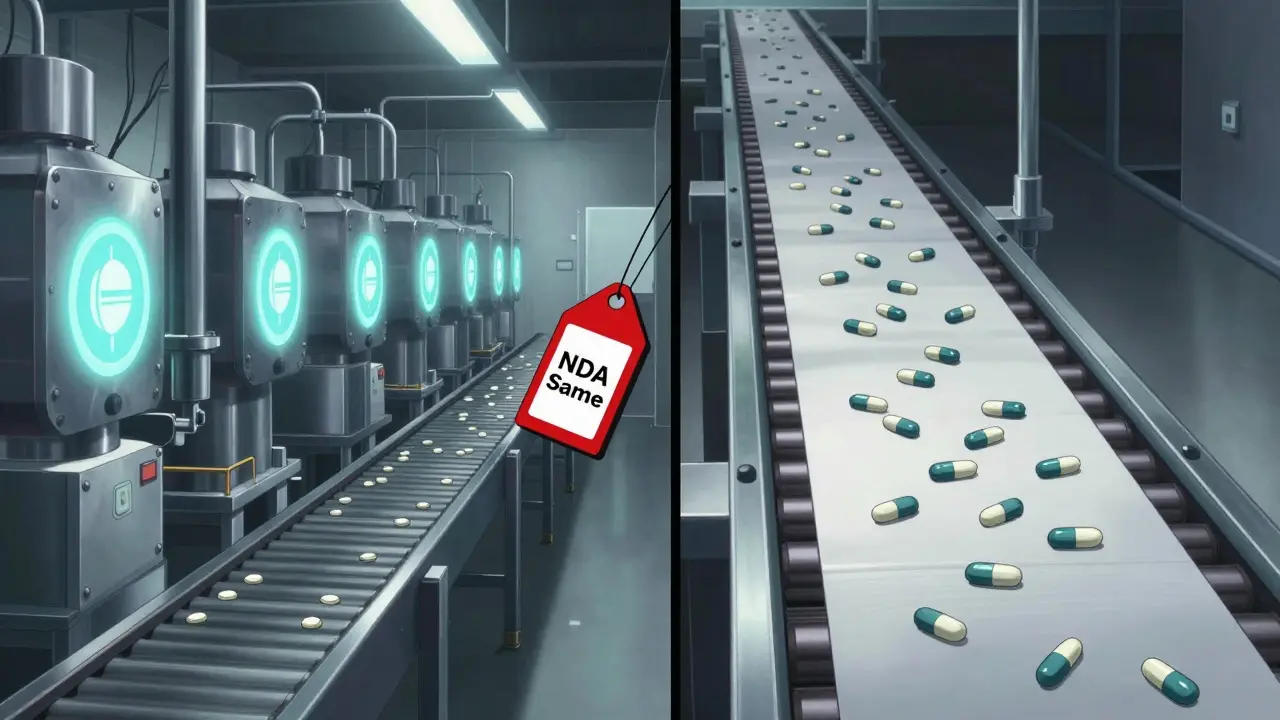
What Are the Downsides?
The biggest issue? Confusion. Patients don’t understand why their medication changed. Pharmacists have to explain it. Doctors have to track which version is being dispensed. Insurers don’t always distinguish them in their systems. Another problem: they can delay true competition. When a brand company launches its own generic, it can discourage other manufacturers from entering the market. That keeps prices higher than they might be otherwise. And because authorized generics aren’t in the Orange Book, it’s harder for prescribers to know when they’re available. You have to check the FDA’s official list or ask your pharmacist directly.Real Examples You Might Recognize
Here are some common medications with authorized generics:- Colcrys → colchicine (made by Prasco)
- Concerta → methylphenidate ER (made by Actavis)
- Celebrex → celecoxib (made by Greenstone)
- Unithroid → levothyroxine (made by Jerome Stevens)
- Viagra → sildenafil (authorized generic available in some markets)
What Should You Do?
If you’re paying a lot for a brand-name drug, don’t assume your only option is a traditional generic. Ask your doctor or pharmacist:- Is there an authorized generic for this medication?
- Is it covered by my insurance?
- Will it look different from what I’m used to?
Final Thought
Authorized generics aren’t a loophole. They’re a product. They’re real. They’re regulated. And they’re here to stay. The pharmaceutical industry uses them to protect revenue. But that doesn’t mean patients lose. In fact, many gain access to identical medications at lower prices. The trick is knowing they exist-and asking for them. Don’t just accept whatever’s handed to you. Ask questions. Compare options. Know your meds.Are authorized generics the same as brand-name drugs?
Yes. Authorized generics are made by the same manufacturer as the brand-name drug, using the exact same ingredients, formula, and production process. The only difference is the label-they don’t carry the brand name. They are identical in every way that matters for safety and effectiveness.
Why are authorized generics cheaper than brand-name drugs?
They’re cheaper because they don’t carry the marketing, advertising, and research costs associated with the brand name. The drug itself hasn’t changed-only the packaging and pricing strategy. The manufacturer saves money by not promoting it, and passes some of those savings to the consumer.
Can I trust an authorized generic like I trust the brand?
Absolutely. Since authorized generics are produced under the same FDA-approved New Drug Application (NDA) as the brand-name version, they meet the same strict quality, safety, and efficacy standards. Many patients who had bad reactions to traditional generics find that authorized generics work better because the inactive ingredients match the original.
Why aren’t authorized generics listed in the FDA’s Orange Book?
The Orange Book only lists traditional generics that went through the Abbreviated New Drug Application (ANDA) process. Authorized generics are marketed under the original brand’s NDA, so they don’t need separate approval. That’s why they’re not included-they’re not considered a new generic product by the FDA’s classification system.
How do I find out if an authorized generic is available for my medication?
Ask your pharmacist or check the FDA’s official List of Authorized Generic Drugs, which is updated periodically. You can also search online using the brand name plus “authorized generic” or check pharmacy websites like GoodRx, which often show authorized generic pricing alongside traditional generics.
 Medications
Gray Dedoiko
December 22, 2025 AT 16:28I had no idea authorized generics existed until my pharmacist slipped me a white pill instead of my usual blue Celebrex. Thought I got the wrong med, called my doctor in a panic. Turns out it’s the same damn thing, just $80 cheaper. Mind blown.
Never looked back since.
Aurora Daisy
December 23, 2025 AT 16:03Oh great, so now Big Pharma gets to play both sides-charge you $200 for the brand, then sell you the exact same pill for $120 and call it a ‘generic’? Brilliant strategy. Meanwhile, real generics from India get blocked by tariffs while these corporate clones slip through like a backdoor tax dodge.
Don’t call it patient-friendly. Call it profit preservation with a smiley face.
bharath vinay
December 25, 2025 AT 10:30They’re not ‘authorized generics’-they’re a legal loophole cooked up by the FDA and pharma lobbyists to trick people into thinking they’re saving money while the real players still control the market.
The FDA doesn’t list them because they don’t want you to know this system is rigged. The same companies that made the brand are now making the ‘generic’-they’re not competing, they’re colluding.
And don’t get me started on how they use this to delay real generics. This isn’t healthcare-it’s corporate theater.
Wilton Holliday
December 26, 2025 AT 04:03Big win for people who’ve struggled with weird side effects from regular generics! I switched to the authorized generic for my thyroid med after my heart started racing every time I took the other one.
Turns out the dye in the cheap version was triggering my anxiety. The authorized one? Same formula as my brand, no surprises.
Just ask your pharmacist. Seriously, it’s that easy. You’ve got nothing to lose and maybe hundreds to save.
Also-high five to the pharmacist who told me about this. You’re a legend.
Raja P
December 27, 2025 AT 12:36My uncle’s been on Concerta for years. Switched to the authorized generic after his insurance changed. Same pill, half the cost. He didn’t even notice until I pointed it out.
People freak out over pill color or size, but if the active ingredient’s identical and the manufacturer’s the same, why stress?
Just ask. It’s not magic, it’s just smarter shopping.
Austin LeBlanc
December 29, 2025 AT 09:43You people are so naive. You think this is about saving money? Nah. This is how the system keeps you docile. They let you think you’re getting a deal, but they’re still controlling every single variable-the supply, the labeling, the insurance codes.
And if you don’t know to ask for the authorized generic? You’re paying full price. That’s the whole point.
They want you to be confused. Confused people don’t organize.
Christine Détraz
December 30, 2025 AT 00:00My pharmacist actually brought this up unprompted last week. Said most people don’t know this exists, but if you’re on a long-term med, it’s worth asking about.
I was skeptical-until I saw the price difference on my receipt. $140 down to $65 for the same exact pills.
Turns out ‘generic’ doesn’t always mean ‘cheaper.’ Sometimes it just means ‘not the brand.’
Good to know.
John Pearce CP
December 30, 2025 AT 05:51It is imperative to elucidate that the regulatory framework governing authorized generics remains fundamentally distinct from that of traditional generic pharmaceuticals. The former operates under the original New Drug Application, thereby preserving the identical physicochemical and pharmacokinetic profile of the branded product. This is not a marketing ploy; it is a regulatory nuance with profound implications for therapeutic equivalence.
One must not conflate cost reduction with efficacy compromise. The FDA’s classification system, while opaque to laypersons, remains scientifically rigorous.
Therefore, to dismiss authorized generics as a corporate tactic is to misunderstand the architecture of pharmaceutical regulation entirely.
Ajay Sangani
December 30, 2025 AT 21:04if you think about it, the whole idea of a drug having a brand name is kinda weird right? like, we give names to chemicals like they’re pets or something. celebrex? concerta? it’s just molecules in a capsule. why does the label matter so much?
maybe we’re all just conditioned to trust logos instead of science.
and now they’re selling the same molecules without the logo… and suddenly we’re scared?
we’re the ones who made this system, not them.
Pankaj Chaudhary IPS
January 1, 2026 AT 15:37In India, we have a similar concept called ‘branded generics’-where Indian pharma companies produce exact copies of branded drugs under their own label after patent expiry. But here, the twist is the original manufacturer is the one producing it.
This is a brilliant example of market adaptation. Yes, it protects profits-but it also preserves patient trust.
Many of our elderly patients refuse generics because they fear ‘foreign’ ingredients. An authorized generic? Same factory, same pill. It’s a bridge between tradition and affordability.
Well done, America. You’ve found a way to make capitalism work for the patient.
Payson Mattes
January 3, 2026 AT 06:22Wait… so the same company that made the brand is also making the ‘generic’? That’s not a coincidence. That’s a trap.
They’re using this to keep the real generics out. You think you’re saving money? You’re just being funneled into their version of cheap.
And don’t get me started on how they control the pharmacy systems so you never see the real generics unless you ask for them by name.
They want you to think you’re winning… but you’re still in their game.
They know you’re too lazy to check the FDA list.
They’re counting on it.
Isaac Bonillo Alcaina
January 3, 2026 AT 08:20There is no such thing as an ‘authorized generic’ in any legitimate pharmacological sense. The term is a linguistic obfuscation created by pharmaceutical corporations to circumvent antitrust scrutiny. The FDA’s refusal to list these products in the Orange Book is not an oversight-it is complicity.
The very notion that a product can be ‘authorized’ to be a generic is a contradiction in terms. Generics are, by definition, unaffiliated. This is a branded product masquerading as a generic to manipulate pricing and delay market competition.
Any patient who accepts this without scrutiny is complicit in their own exploitation.