
Psychological Factors in Medicine: How Mind Affects Health and Treatment
When we think about medicine, we usually picture pills, scans, and doctors writing prescriptions. But behind every treatment plan is something just as powerful: the psychological factors in medicine, the mental and emotional influences that affect how patients respond to treatment, take their meds, and even heal. Also known as mind-body interactions, these factors don’t just influence how you feel—they change your blood pressure, your immune response, and whether your diabetes meds actually work.
Take stress, a constant force that can raise blood sugar, trigger inflammation, and make heart conditions worse. If you’re anxious about your diagnosis, you’re more likely to skip doses or avoid follow-ups. That’s not laziness—it’s biology. Studies show patients with high stress levels respond worse to beta-blockers and struggle more with insulin resistance, even when they take their pills. And it’s not just stress. Beliefs matter too. If you think generic drugs are weaker, you might feel worse—even if they’re chemically identical to the brand name. This isn’t placebo magic; it’s the brain wiring itself to expect results, or failure.
Patient adherence, how consistently someone takes their medicine, is one of the biggest hidden problems in modern care. A person might understand their diabetes meds perfectly, but if they’re depressed, overwhelmed, or feel like the treatment doesn’t fit their life, they’ll stop. That’s why tools like pill organizers and blister packs help—they reduce mental load. But they don’t fix the root issue: if someone doesn’t believe the medicine will help, or if side effects like drowsiness from antihistamines make them feel like a zombie, they’ll quit. Even something as simple as a benzodiazepine for anxiety can backfire if the patient fears addiction, even when it’s the safest option for their age group.
And then there’s the flip side: how mental health treatments themselves affect physical illness. Antidepressants can improve pain tolerance in chronic conditions. Cognitive behavioral therapy for insomnia (CBT-I) doesn’t just help sleep—it lowers cortisol and helps control blood sugar in type 2 diabetes. That’s why experts now say treating depression isn’t just "good for your mood," it’s part of managing heart disease, arthritis, and even gout. Your mind isn’t separate from your body—it’s running the control panel.
What you’ll find in these articles isn’t theory. It’s real-world guidance from people who’ve seen it happen: the senior who stopped sleeping pills after learning about dementia risks, the diabetic who finally stuck with their meds after switching to a simpler routine, the patient who switched from Benadryl to levocetirizine because the drowsiness was ruining their job. These stories aren’t rare. They’re common. And they all point to one truth: medicine doesn’t work in a vacuum. It works in the context of your life, your fears, your sleep, your stress, and your belief that you can get better. This collection gives you the tools to understand that—and to use it.
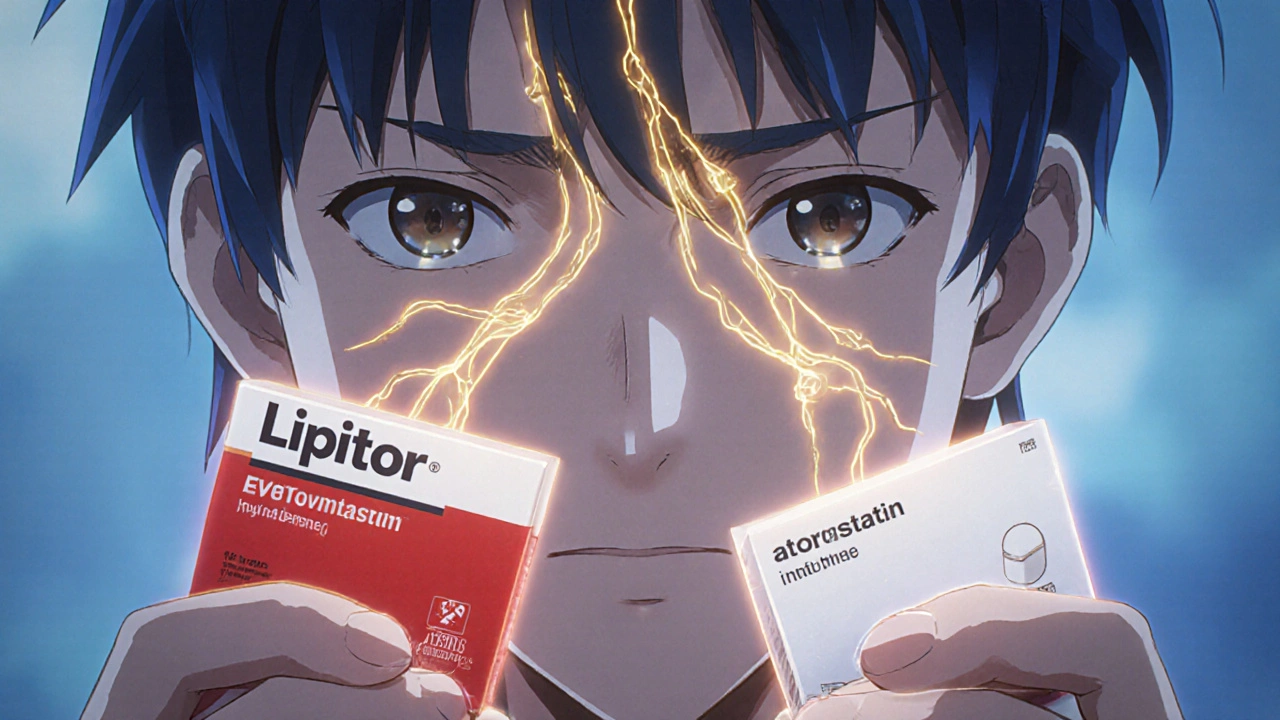
Generic medications work the same as brand-name drugs, but psychological factors like expectations and labeling can make patients feel they don’t. Learn how the placebo effect impacts adherence and what you can do about it.
 Medications