
Placebo Effect: What It Is, Why It Matters, and How It Shapes Medicine
When someone takes a sugar pill and feels better, it’s not magic—it’s the placebo effect, a measurable improvement in symptoms after receiving an inactive treatment with no therapeutic value. Also known as placebo response, it shows how deeply the brain can influence the body’s healing process—even when nothing medically active is given. This isn’t about people being gullible. It’s about biology. Expectation, conditioning, and even the ritual of taking a pill can trigger real changes in brain chemistry, pain signals, and hormone levels. Studies have shown that placebo responses can be as strong as some actual medications for conditions like depression, chronic pain, and even Parkinson’s disease.
The placebo control, a standard in clinical trials where one group receives an inactive substance to compare against the real drug is the backbone of modern drug approval. Without it, we couldn’t tell if a new medication works—or if people just feel better because they believe it should. That’s why the FDA and other regulators require placebo-controlled trials before any drug hits the market. But here’s the twist: the placebo effect isn’t just noise in the data. It’s part of the treatment. In fact, research shows that the way a doctor delivers a treatment—tone, confidence, even the color of a pill—can boost the placebo effect. A blue pill might calm anxiety better than a red one. A larger pill often feels more powerful than a small one. These aren’t myths. They’re documented patterns.
The clinical trials, rigorous tests designed to measure whether a drug actually works beyond the placebo response are where the placebo effect becomes critical. If a new painkiller reduces discomfort by 30%, but the placebo group also improves by 25%, the real drug’s benefit is just 5%. That’s not enough to justify side effects or cost. That’s why so many drugs fail in Phase III trials—they don’t outperform the placebo enough. Even some of the most popular antidepressants show only marginally better results than sugar pills in large studies. That doesn’t mean they’re useless. It means we need to understand how much of their power comes from the medicine itself versus the context around it.
And it’s not just about drugs. The placebo effect shows up in surgery, physical therapy, and even alternative treatments. People report less pain after sham acupuncture. Some recover faster after fake knee surgeries. These aren’t frauds—they’re proof that the mind is a powerful tool in healing. That’s why doctors now talk about "open-label placebos"—giving patients real placebos while telling them the truth. Surprisingly, even when people know they’re taking a sugar pill, many still feel better. The ritual, the attention, the hope—it all matters.
Understanding the placebo effect doesn’t make medicine less real. It makes it more human. It reminds us that healing isn’t just about chemicals in a bottle. It’s about trust, expectation, and the connection between patient and provider. The posts below dig into how this invisible force shows up in everything from antidepressants to painkillers, how researchers measure it, and why some drugs work better than others—not because of their chemistry, but because of how they’re delivered. You’ll see real examples from clinical data, side-by-side comparisons, and insights into how placebo responses shape what gets prescribed—and what gets rejected.
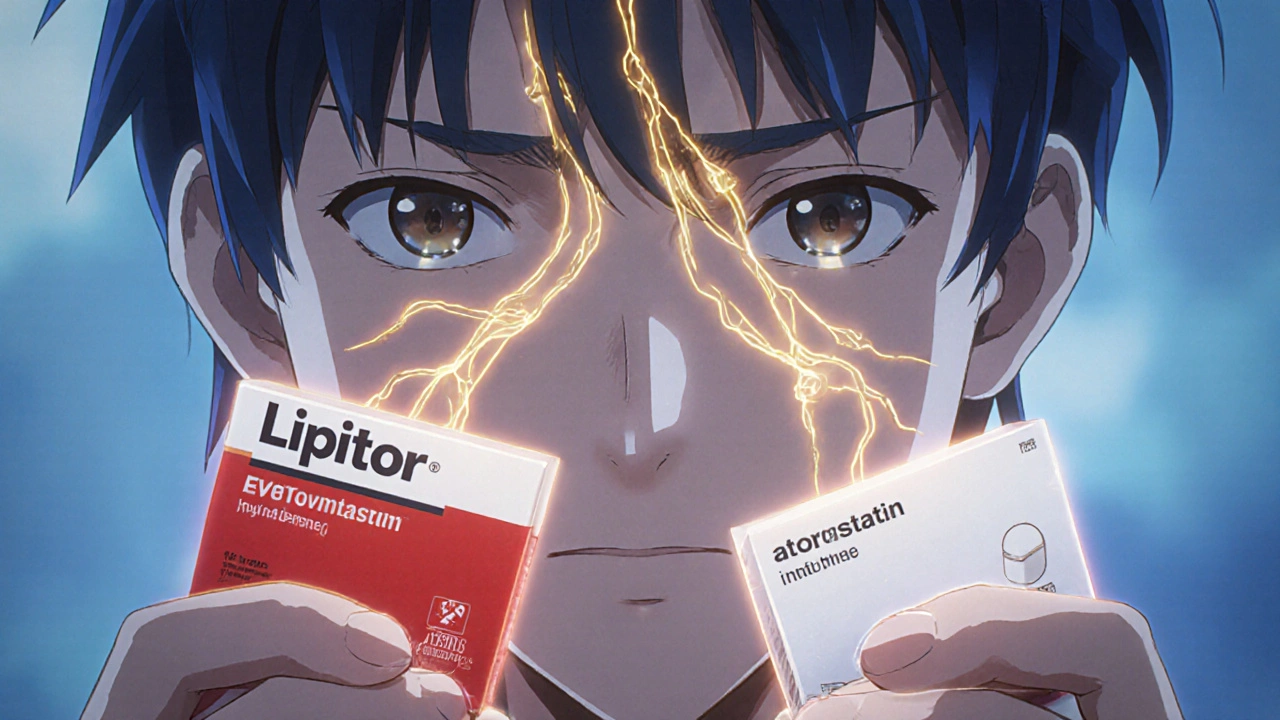
Generic medications work the same as brand-name drugs, but psychological factors like expectations and labeling can make patients feel they don’t. Learn how the placebo effect impacts adherence and what you can do about it.
 Medications