
Benzodiazepines in the Elderly: Risks, Alternatives, and Safe Use
When doctors prescribe benzodiazepines, a class of sedative drugs used for anxiety, insomnia, and seizures. Also known as benzos, they work quickly but come with hidden dangers—especially for older adults. Many seniors are given these pills for sleep or nervousness, but research shows they increase fall risk, confusion, and even dementia over time. The CDC and American Geriatrics Society both warn against long-term use in people over 65. Yet, they’re still handed out like candy—often because it’s easier than finding better solutions.
Why does this happen? Older bodies process drugs slower. Liver and kidney function drop with age, so benzodiazepines stay in the system longer, building up to toxic levels. Add in other meds—like painkillers, antidepressants, or heart drugs—and the risk of dangerous interactions skyrockets. anticholinergic drugs, like diphenhydramine in Benadryl or some sleep aids, make things worse. They blur vision, dry out the mouth, and fog the mind. When combined with benzos, the result isn’t just drowsiness—it’s disorientation, memory loss, and falls that break hips.
Thankfully, there are safer paths. For anxiety, cognitive behavioral therapy (CBT) works as well as pills—with no side effects. For sleep, fixing routines, cutting caffeine, and managing pain often helps more than sleeping pills. Even simple things like morning sunlight or evening walks can reset the body clock. If meds are needed, low-dose melatonin or certain antidepressants like trazodone are better choices. And if a senior is already on a benzo? Stopping isn’t as scary as it sounds. With slow, doctor-guided tapering, many regain clarity and balance without rebound anxiety.
The posts below show you exactly what works and what doesn’t. You’ll find real comparisons between sedatives and alternatives, breakdowns of how drug interactions hit seniors hardest, and practical tips for reducing harm without sacrificing comfort. No fluff. No marketing. Just clear, evidence-based guidance for those who need it most.
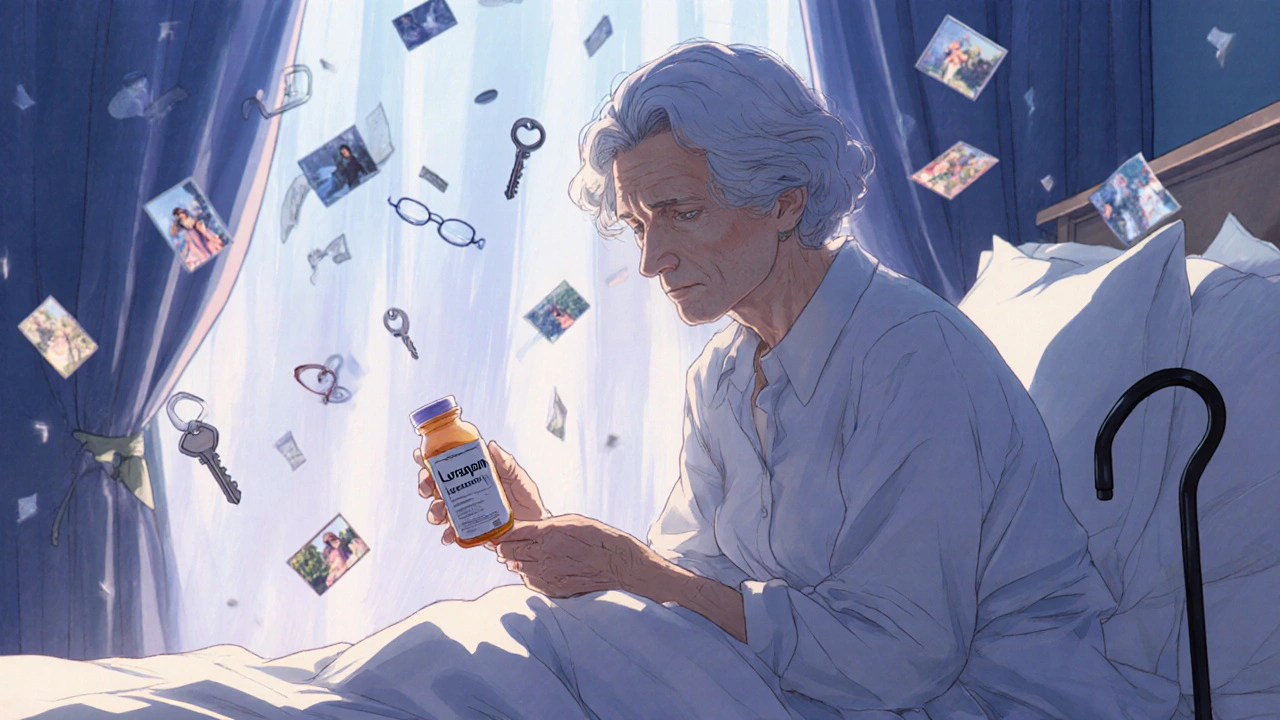
Benzodiazepines pose serious risks for seniors, including falls, memory loss, and dementia. Safer alternatives like CBT-I, SSRIs, and melatonin agonists offer effective relief without the dangers. Learn why experts now recommend avoiding these drugs in older adults.
 Medications