
Progressiverx.com: Your Pharmaceutical Guide - Page 4

Learn how to accurately read liquid prescription labels to avoid dangerous medication errors. This guide explains metric measurements, common mistakes, and safe dosing practices for parents and caregivers.
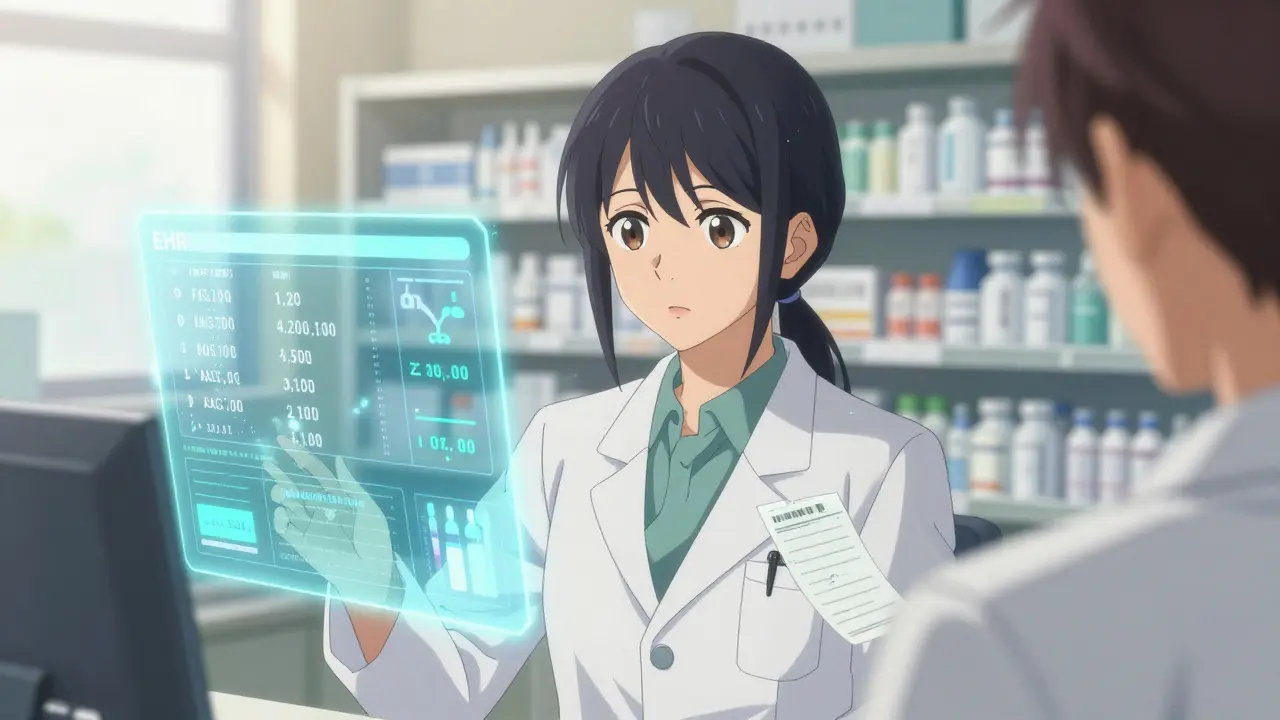
EHR Integration: How Pharmacy-Provider Communication Improves Prescription Accuracy and Patient Care
EHR integration connects doctors and pharmacies in real time, cutting prescription errors, reducing hospitalizations, and saving lives. Here’s how it works, who’s using it, and why it’s still not everywhere.

Checking medication labels before every dose prevents deadly errors. Learn the 10 key details to verify, how to build the habit in 3 weeks, and why this simple step saves lives.
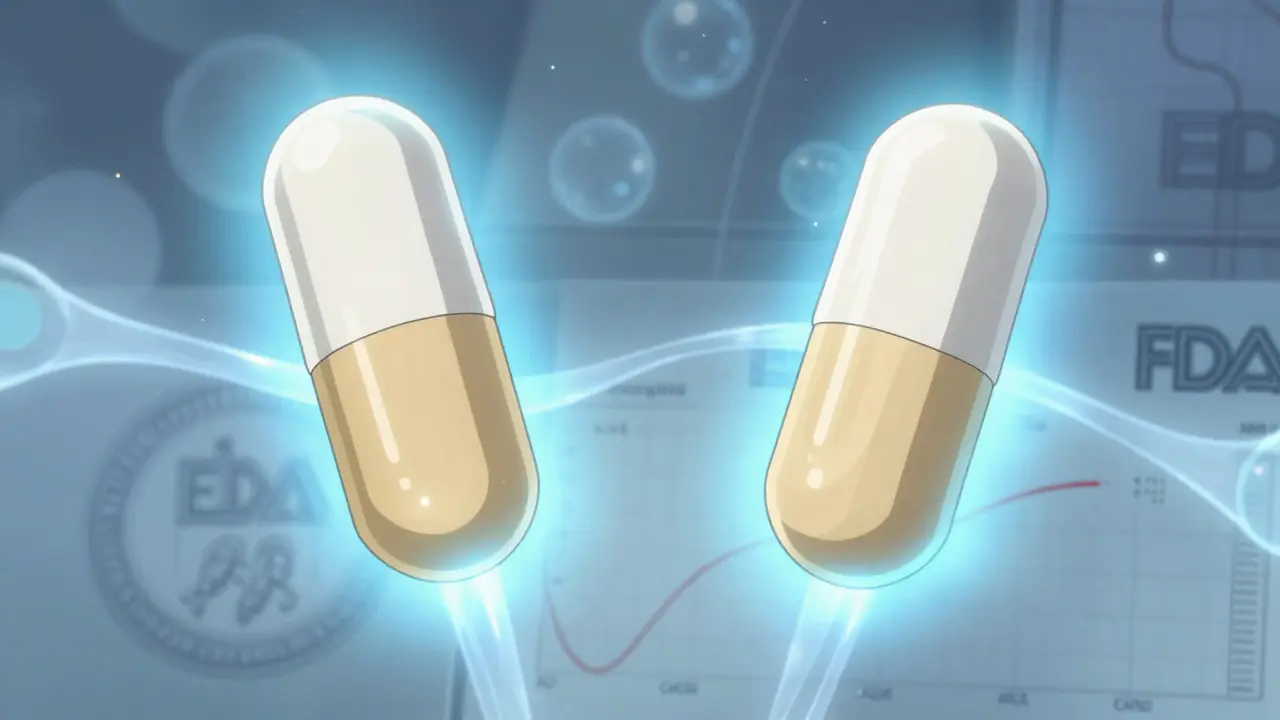
Generic drugs must match brand-name absorption rates within strict FDA limits to be approved. Learn how bioequivalence standards ensure they work the same - and why patient concerns often stem from myths, not science.

Drug interactions can turn mild side effects into dangerous health risks. Learn how common combos like statins with grapefruit or warfarin with aspirin increase harm - and what you can do to stay safe.

First generics and authorized generics enter the market differently - and timing determines how much you pay. Learn how brand companies use authorized generics to undercut true competition and limit price drops.
Generic prescribing incentives reward doctors for choosing lower-cost generic drugs. Learn how these programs work, their impact on care, and why some providers feel they cross ethical lines.

Actinic keratoses are precancerous skin patches caused by sun damage. Left untreated, they can turn into skin cancer. Learn how field treatments clear visible and hidden damage to prevent squamous cell carcinoma.

Combining metoclopramide with antipsychotics can trigger neuroleptic malignant syndrome, a life-threatening condition. Learn why this interaction is dangerous, who's at risk, and what safer alternatives exist.

Presbyopia is the natural loss of near vision as you age, starting in your 40s. Learn how reading glasses, progressives, and other options help you see clearly again-without surgery or miracle cures.
 Medications